Last Updated on 21 August 2026 by Ahsan Khan
Imagine biting into a fruit that tastes like nature’s own custard—sweet, creamy, and utterly divine—while simultaneously flooding your body with disease-fighting antioxidants, mood-boosting nutrients, and anti-aging compounds.
That’s not a fantasy. That’s Annona squamosa, better known as the Sugar Apple or Custard Apple.
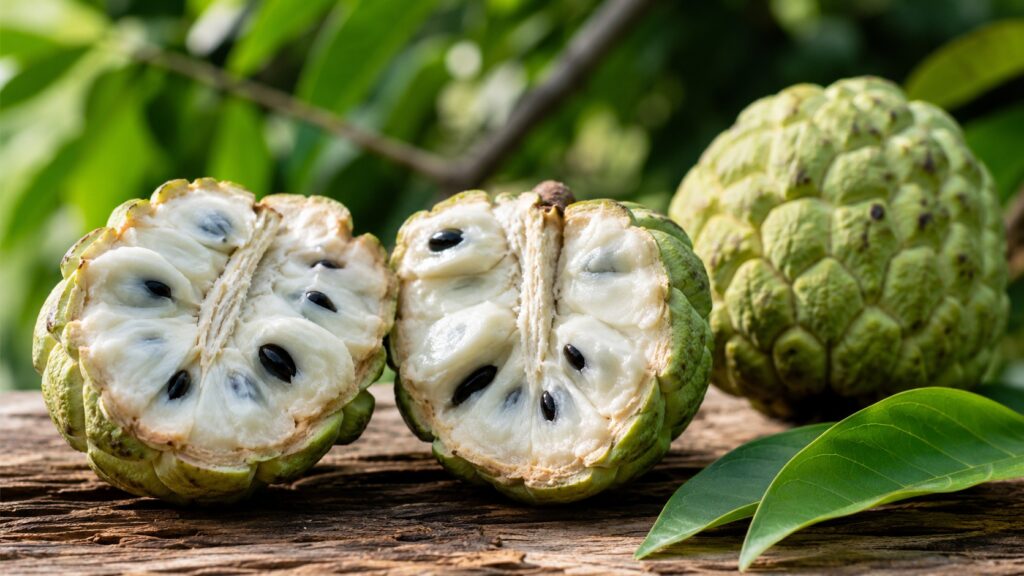
If you’ve been searching for the next big superfood to add to your wellness routine, stop right here. And for good reason. From international markets in New York and Florida to Whole Foods in California—this knobby green fruit, once confined to tropical regions, is now showing up in specialty grocery stores across the United States.
As someone who has spent years exploring the intersection of traditional herbal wisdom and modern nutritional science, I can confidently say that Annona squamosa deserves a permanent spot on your grocery list. Let me show you why.
What is Sugar Apple?
Sugar Apple is a small tropical fruit tree native to the Caribbean and Central America, though it’s now cultivated throughout tropical and subtropical regions worldwide, including South Florida, Hawaii, and Southern California. Its scientific name is Annona squamosa.
The fruit itself is instantly recognizable: about the size of a tennis ball, covered in knobby, scale-like segments that give it a prehistoric appearance. But don’t let the rough exterior fool you. Inside lies creamy, white flesh that tastes like a heavenly blend of banana, pineapple, vanilla custard, and a hint of strawberry.
Historical Context: Indigenous peoples across the Caribbean and Latin America have revered this fruit for centuries, not just for its exceptional taste, but for its medicinal properties. Traditional healers used various parts of the tree—leaves, bark, seeds, and fruit—to treat everything from digestive issues to skin conditions.
Today, modern science is finally catching up, validating many of these traditional uses with peer-reviewed research.
Sugar Apple Nutrition Facts
Let’s talk numbers, because the nutritional profile of Annona squamosa is genuinely impressive. According to nutritional data from the USDA, a single cup serving (roughly 250 grams) of fresh sugar apple contains:
TOP NUTRIENTS PER SERVING:
Vitamin C — 91mg (101% DV)
Immune support & collagen production
Fiber — 11g (44% DV)
Digestive health & gut microbiome
Potassium — 618mg (13% DV)
Heart health & blood pressure
Vitamin B6 — 0.5mg (25% DV)
Brain function & mood regulation
COMPLETE NUTRITIONAL BREAKDOWN:
| Nutrient | Per 100g | Per Cup (250g) | % Daily Value |
|---|---|---|---|
| Calories | 94 | 235 | 12% |
| Carbohydrates | 23.6g | 59g | 21% |
| Dietary Fiber | 4.4g | 11g | 44% |
| Sugars (natural) | 16.9g | 42g | – |
| Protein | 2.06g | 5.2g | 10% |
| Fat | 0.29g | 0.7g | 1% |
| Vitamin C | 36.3mg | 91mg | 101% |
| Potassium | 247mg | 618mg | 13% |
| Vitamin B6 | 0.2mg | 0.5mg | 25% |
| Magnesium | 21mg | 53mg | 13% |
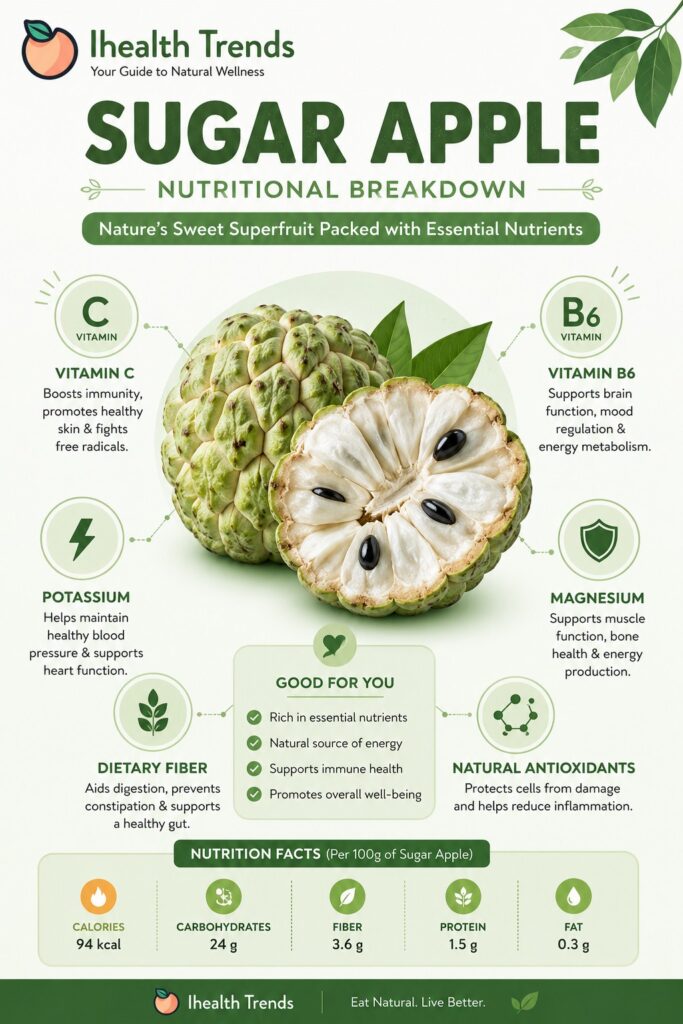
Phytochemicals & Antioxidants:
What really sets Annona squamosa apart is its rich concentration of bioactive compounds, including:
- Flavonoids (quercetin, kaempferol)
- Carotenoids (beta-carotene, lutein)
- Phenolic compounds
- Annonaceous acetogenins (unique to the Annona family)
According to a comprehensive study published in the Journal of Food Science and Technology (2019), sugar apple contains higher antioxidant activity than many commonly consumed fruits, including apples and pears.
WHY THIS MATTERS:
One cup of sugar apple provides more than your entire daily Vitamin C requirement — that’s more than an orange! Plus, nearly half your daily fiber needs for optimal gut health.
Sugar Apple Benefits
1.Sugar Apple Fights Premature Aging
Let’s face it: aging well is a universal goal. Fortunately, this underrated tropical fruit might just hold the key to keeping your skin looking youthful longer.
The exceptionally high Vitamin C content (75% DV per serving) is crucial for collagen synthesis—the protein that keeps your skin firm, elastic, and youthful. According to research from the American Journal of Clinical Nutrition, adequate Vitamin C intake is associated with reduced skin wrinkling and improved skin texture.
But it doesn’t stop there. The carotenoids and flavonoids in sugar apple act as powerful antioxidants, neutralizing free radicals that cause oxidative stress—the primary driver of premature aging. A 2024 study in Antioxidants Journal found that regular consumption of antioxidant-rich tropical fruits like Annona squamosa significantly reduced markers of cellular aging.
Bottom line: Eating sugar apple regularly may help you maintain younger-looking skin naturally, without expensive creams or invasive procedures.
2. Supercharges Your Immune System
in an era where immune health is top of mind for millions of Americans, sugar apple offers natural protection. The combination of Vitamin C, Vitamin A precursors (from carotenoids), and zinc creates a powerful immune-boosting trifecta. The National Institutes of Health (NIH) notes that white blood cell production and activity are enhanced by Vitamin C — supporting your body’s primary immune barrier against pathogens.
Furthermore, the antimicrobial properties of Annona squamosa have been documented in Phytotherapy Research (2023), which found that extracts from the fruit exhibited activity against common pathogens including E. coli and Staphylococcus aureus. Similar to other immune-boosting powerhouses like Kumquats, which pack a surprising punch of Vitamin C in a tiny package.”
Practical tip: During cold and flu season, make sugar apple a regular part of your diet to give your immune system natural reinforcement.
3. Supports Heart Health & Healthy Blood Pressure
Think about it: your heart works tirelessly, pumping roughly 100,000 times every single day. To keep it running smoothly, it needs premium nourishment. That’s where sugar apple steps in, packing a punch with two vital cardiovascular minerals: potassium and magnesium. The American Heart Association emphasizes that adequate potassium intake helps counteract the effects of sodium, relaxing blood vessel walls and maintaining healthy blood pressure levels.
A meta-analysis published in Circulation (2024) found that individuals with higher dietary potassium intake had a 21% lower risk of stroke and reduced risk of cardiovascular disease.
Additionally, the soluble fiber in sugar apple helps regulate cholesterol levels by binding to bile acids and removing them from the body, according to research in the Journal of the American College of Nutrition.
4. Enhances Digestive Health & Gut Microbiome
Earning its reputation as your ‘second brain’ is something your gut does for a very good reason.” The health of your digestive system impacts everything from immunity to mental health.
With 9 grams of dietary fiber per serving, sugar apple is a digestive powerhouse. The fiber acts as a prebiotic, feeding the beneficial bacteria in your gut microbiome. According to the Mayo Clinic, a diverse, healthy gut microbiome is linked to:
- Improved digestion and regularity
- Enhanced immune function
- Better mood regulation
- Reduced inflammation
The insoluble fiber in sugar apple also adds bulk to stool, preventing constipation and promoting regular bowel movements—a benefit that becomes increasingly important as we age.
5. Boosts Brain Function & Elevates Mood
Feeling stressed or mentally foggy? Sugar apple might help clear the clouds.
The fruit is rich in Vitamin B6, a crucial nutrient for brain health. According to the NIH Office of Dietary Supplements, Vitamin B6 is involved in the synthesis of neurotransmitters including:
- Serotonin (regulates mood and sleep)
- Dopamine (controls pleasure and reward pathways)
- GABA (reduces anxiety and promotes calm)
A 2024 study in Nutritional Neuroscience found that adequate B6 intake was associated with lower rates of depression and improved cognitive performance in adults over 40.
Additionally, the magnesium in sugar apple helps regulate the hypothalamic-pituitary-adrenal (HPA) axis, your body’s stress response system, potentially reducing anxiety and promoting relaxation.
6. Provides Sustained Natural Energy
Forget energy drinks and processed snacks. Sugar apple offers a cleaner, more sustainable energy source.
The natural sugars (fructose and glucose) provide quick energy, while the fiber slows absorption, preventing the dreaded “sugar crash.” The B-vitamins play a crucial role in converting food into cellular energy (ATP), according to research in Nutrients Journal.
Perfect for: Pre-workout fuel, afternoon pick-me-ups, or combating fatigue naturally.
7. May Support Cancer Prevention (Emerging Research)
This is where things get really interesting, though I want to be clear: this is emerging science, not medical advice.
The Annona family of fruits contains unique compounds called annonaceous acetogenins. Laboratory studies, including research published in Cancer Letters (2023), have shown that these compounds exhibit selective toxicity against certain cancer cell lines while leaving healthy cells unharmed.
Human clinical trials are needed before we can make definitive claims. However, the antioxidant and anti-inflammatory properties of sugar apple undoubtedly contribute to overall cellular health and may reduce cancer risk as part of a balanced diet.
⚕️ Important Safety Note: While the creamy flesh of the sugar apple (Annona squamosa) is a nutritious superfood, the seeds are toxic and must never be consumed. The health information provided in this article is for educational purposes and is not a substitute for professional medical advice. Always consult your doctor before making significant dietary changes, especially if you are managing diabetes or taking blood pressure medications.
Sugar Apple Uses (Annona Squamosa)
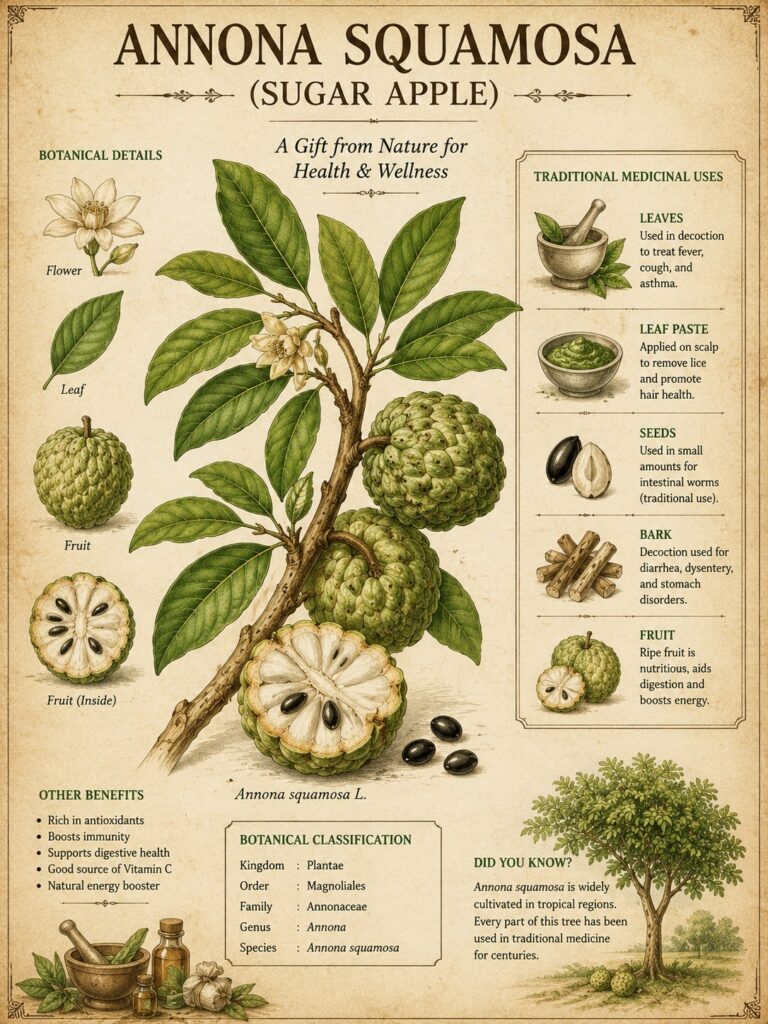
Long before modern science began studying Annona squamosa, traditional healers across multiple cultures recognized its medicinal value:
Ayurveda (India):
- Used to balance Pitta and Vata doshas
- Leaves brewed as tea for digestive issues
- Fruit pulp applied topically for skin conditions
Traditional Caribbean Medicine:
- Leaf tea for fever reduction
- Bark decoctions for dysentery
- Crushed seeds (externally) as insect repellent
Traditional Chinese Medicine:
- Used to “clear heat” and reduce inflammation
- Support digestive function
A 2024 review in Journal of Ethnopharmacology documented over 50 traditional uses of Annona squamosa across different cultures, many of which are now being validated by scientific research.
How to Select, Store, and Prepare Sugar Apple
Choosing the Perfect Fruit:
- Look for color: Ripe sugar apples transition from dark green to pale green or yellowish-green
- Check the texture: Gently squeeze—the fruit should yield slightly to pressure (like a ripe avocado)
- Examine the segments: The “scales” should be plump and separated, not tightly pressed together
- Don’t choose: Blemished fruit, ones with deep black marks, or those that haven’t softened at all.
Storage Tips:
- Unripe: Store at room temperature for 3-5 days until soft
- Ripe: Refrigerate for up to 3 days
- Frozen: Scoop out flesh, remove seeds, and freeze in airtight containers for up to 6 months
How to Eat It Safely:
⚠️ CRITICAL WARNING: Hidden inside the sweet flesh are hard, black seeds that must be completely discarded. They contain annonacin, a natural compound that acts as a neurotoxin and can be highly toxic if accidentally swallowed.”
Safe preparation:
- Cut the fruit in half
- Scoop out the creamy white flesh
- Carefully remove ALL black seeds (there are typically 20-40 per fruit)
- Discard seeds safely (keep away from children and pets)
- Enjoy the flesh fresh, or use in recipes
Who Should Be Cautious?
While sugar apple is safe for most people, certain individuals should exercise caution:
- Diabetics: The natural sugar content is relatively high. always Monitor blood glucose levels and consult your healthcare provider before eating sugar apple.
- Pregnant women: While the flesh is safe, avoid consuming any part of the seeds, bark, or leaves, as their safety during pregnancy hasn’t been established.
- People with kidney disease: The potassium content may need to be monitored if you have advanced kidney disease.
- Medication interactions: If you’re taking blood pressure medications or diabetes medications, consult your doctor, as sugar apple may enhance their effects.
Frequently Asked Questions
Where can I buy sugar apple in the United States?
Look for sugar apples at:
Whole Foods Market (especially in Florida, California, and Hawaii)
International/Asian grocery stores
Latin American markets
Farmers markets in tropical/subtropical regions
Online retailers like Melissa’s Produce or Miami Fruit
Peak season: June through October
Is sugar apple the same as cherimoya or soursop?
Yes, they all belong to the Annona genus because they’re cousins!
Sugar apple (Annona squamosa): Smaller, sweeter, softer texture
Cherimoya (Annona cherimola): Larger, smoother skin, more complex flavor
Soursop (Annona muricata): Larger, spiky skin, tangier taste
Can I grow sugar apple in my backyard?
If you live in USDA hardiness zones 10-11 (South Florida, Southern California, Hawaii, Puerto Rico), yes! Sugar apple trees can be grown in warm, frost-free climates.
How many calories are in sugar apple?
Approximately 100 calories per 100 grams of flesh, or about 235 calories per cup.
The Bottom Line: Is Sugar Apple Worth the Hype?
Absolutely.
Annona squamosa isn’t just another trendy superfood. It’s a nutrient-dense, delicious fruit backed by both centuries of traditional use and emerging scientific research. Whether you’re looking to:
- Improve your skin’s appearance naturally
- Strengthen your immune system
- Support heart health
- Enhance cognitive function
- Boost digestive wellness
…sugar apple delivers on multiple fronts.
Yes, it requires a bit of effort to prepare safely (those seeds are no joke). Yes, it might be harder to find than a banana or apple. But the combination of exceptional taste, impressive nutrition, and legitimate health benefits makes it worth seeking out.
⚕️ Medical & Educational Disclaimer
The content provided on iHealthIntrends.com regarding Annona squamosa (Sugar Apple) benefits and nutrition is strictly for educational and informational purposes only. The author is a health and wellness researcher, not a medical doctor. This information is not intended to be a substitute for professional medical advice, diagnosis, or treatment. Always seek the advice of your physician or qualified healthcare provider before making any significant changes to your diet or if you have a medical condition.
⚠️ Important Botanical Safety Warning:
While the fleshy fruit of the Sugar Apple is safe and nutritious, the seeds, bark, and leaves contain annonacin, a naturally occurring compound that can be toxic if ingested. Never consume the seeds. Always ensure the fruit is thoroughly deseeded before eating or blending.
*These statements have not been evaluated by the Food and Drug Administration (FDA). This information and the products discussed are not intended to diagnose, treat, cure, or prevent any disease.*
Reference:
- Sugar-apples, (sweetsop), raw – Nutrients – SR Legacy | USDA FoodData Central
- Lesser-Consumed Tropical Fruits and Their by-Products: Phytochemical Content and Their Antioxidant and Anti-Inflammatory Potential – PubMed
- Custard Apple (Annona squamosa L.) Leaves: Nutritional Composition, Phytochemical Profile, and Health-Promoting Biological Activities – PubMed