Last Updated on 19 October 2026 by Ahsan Khan
Discover dragon fruit (pitaya) benefits: nutrition facts, red vs yellow pitahaya varieties, and 7 proven ways this superfood boosts your health.
You’re not alone. This exotic superfood—also known as pitaya—has exploded in popularity, and for good reason. Packed with antioxidants, fiber, and essential nutrients, this tropical superfood isn’t just Instagram-worthy; it’s a powerhouse of health benefits backed by both traditional medicine and modern science.
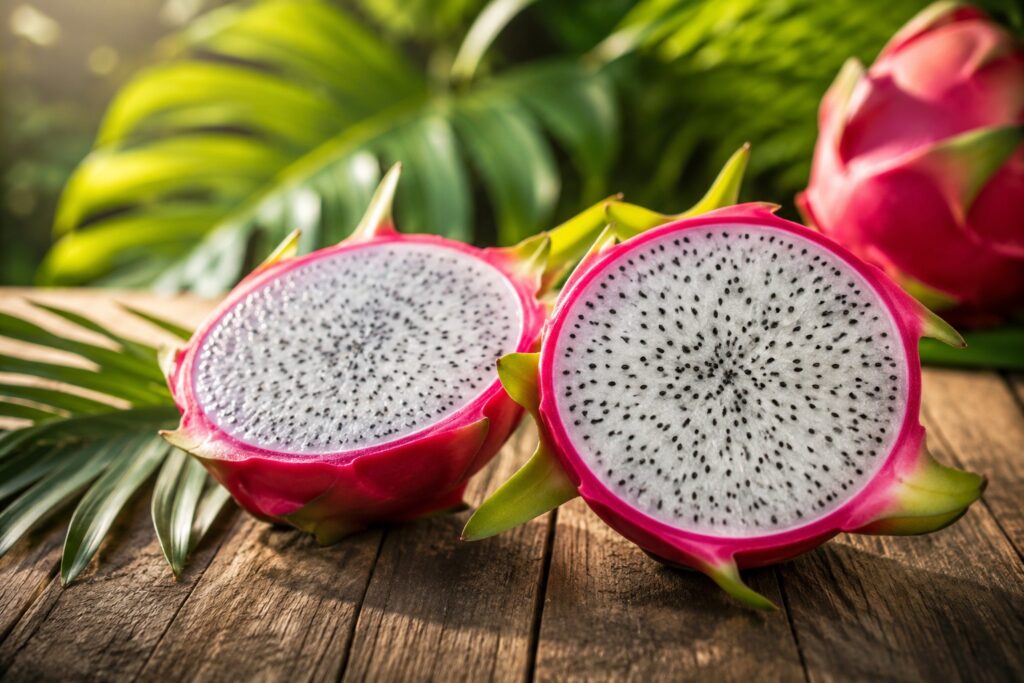
In this comprehensive guide, you’ll discover:
- The fascinating origins and varieties of Dragon fruit
- Pitaya benefits supported by scientific research
- How red and yellow dragon fruit differ nutritionally
- Why this fruit is good for you (and how to use it)
- Traditional wisdom meets cutting-edge nutrition science
Whether you’re looking to boost your gut health, strengthen your immune system, or simply add more colorful nutrition to your plate, this exotic cactus fruit deserves a spot in your kitchen. Let’s dive in.
What Is Dragon Fruit?
Dragon fruit comes from several species of cacti in the genus Hylocereus, originally native to Central and South America, this cactus fruit is the fruit of specific climbing cacti from the Hylocereus genus. It is now extensively farmed across Southeast Asia, most notably in Vietnam, Thailand, and Malaysia.
Yes, dragon fruit is a fruit from a cactus! Despite its otherworldly appearance, this pitaya fruit is closely related to familiar cacti. This cactus doesn’t grow like your typical plant—it sends out thread-like roots that help it climb up trees and supports, and it puts on quite a show with huge, sweet-smelling blossoms that only open after sunset, which is why many call it the ‘moonflower.
Pitaya vs. Dragon Fruit: What is the Difference?
There is no difference at all! They are the exact same fruit. “Pitaya” (or pitahaya) is simply the traditional Spanish and Portuguese name, whereas “dragon fruit” is the widely used English translation. Regardless of which name you use, both terms refer to the vibrant, nutrient-rich fruit produced by the Hylocereus cactus
Regional naming variations include:
- Pitaya (Mexico, Central America)
- Pitahaya (some South American countries)
- Dragon fruit (Southeast Asia, English-speaking countries)
- Thanh long (Vietnam).
Red Dragon Fruit vs Yellow Dragon Fruit
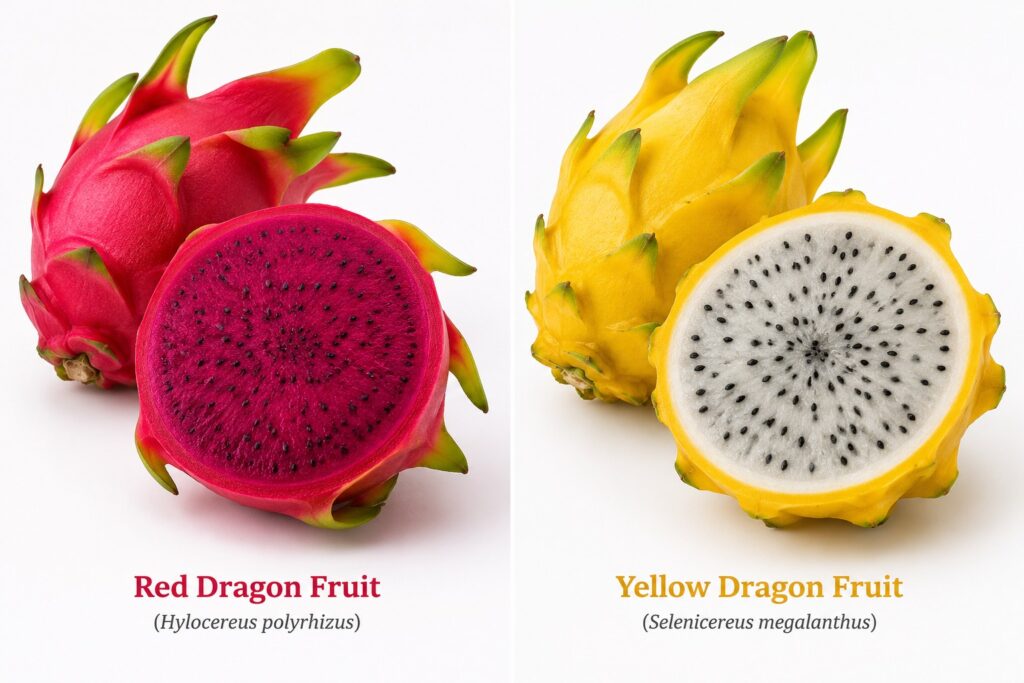
Not all dragon fruits are created equal. While they share similar nutritional profiles, the three main varieties offer distinct flavors, appearances, and antioxidant levels.
Red-Fleshed Dragon Fruit (Hylocereus costaricensis)
- Appearance: Bright magenta skin with deep pink or purple flesh
- Flavor: Sweeter, slightly berry-like taste
- Key Nutrient: Higher in betalains (the same antioxidants found in beets)
- Best For: Maximum antioxidant intake, vibrant smoothie bowls
White-Fleshed Dragon Fruit (Hylocereus undatus)
- Appearance: Pink skin with white flesh dotted with black seeds
- Flavor: Milder, subtly sweet (sometimes compared to kiwi or pear)
- Key Nutrient: Rich in vitamin C and fiber
- Best For: Beginners, light salads, hydration
Yellow Dragon Fruit (Selenicereus megalanthus)
- Appearance: Yellow skin with white flesh
- Flavor: The sweetest variety, often described as tropical and floral
- Key Nutrient: Highest natural sugar content, excellent source of magnesium
- Best For: Desserts, natural sweetening, children’s snacks
Pro Tip: The darker the flesh, the higher the antioxidant content. If you’re targeting specific health benefits like reducing oxidative stress, red dragon fruit is your best bet.
What Does Dragon Fruit Taste Like?
If you’ve never tried dragon fruit, you’re probably wondering: what does dragon fruit taste like? The answer depends on the variety, but here’s the honest truth.
The General Flavor Profile
- Pitaya has a mild and subtly sweet flavor, often described as
- A blend of pear, kiwi, and watermelon. It’s not intensely fruity
- like mango or pineapple—instead, it offers a delicate, refreshing taste with a hint of floral notes.
Taste by Variety:
Pink/Red Dragon Fruit (Pink Pitaya):
- Sweetest of the three varieties
- Berry-like undertones (similar to a mild strawberry)
- Slightly floral finish
Best for: Smoothie bowls, desserts, and those with a sweet tooth
White Dragon Fruit (White Pitahaya):
- Milder, more subtle flavor
- Slightly tart, similar to an underripe kiwi
- Refreshing and hydrating
Best for: Salads, light smoothies, and savory dishes
Yellow Dragon Fruit (Sweet Dragon Fruit):
- The sweetest variety overall
- Tropical, honey-like flavor
- Often compared to a cross between pineapple and melon
Best for: Eating fresh, juicing, and natural sweetening
Texture & Mouthfeel:
Beyond flavor, pitaya fruit has a unique texture. The flesh is soft and creamy (similar to a ripe kiwi), dotted with tiny edible black seeds that add a pleasant crunch—much like the seeds in a kiwi or strawberry.
Pro Tip: If your dragon fruit tastes soft, it’s likely to underripe.
A perfectly ripe dragon fruit should give slightly when pressed and have a fragrant, sweet aroma at the stem end.
Dragon Fruit Nutrition Facts
One cup (approximately 227 grams) of pitaya fruit provides:
| Nutrient | Amount | % Daily Value |
|---|---|---|
| Calories | 136 kcal | – |
| Carbohydrates | 29 g | 10% |
| Fiber | 7 g | 25% |
| Protein | 3 g | 6% |
| Vitamin C | 9 mg | 15% |
| Iron | 1.2 mg | 7% |
| Magnesium | 68 mg | 16% |
| Antioxidants | High | – |
Key Phytochemicals:
- Betalains (red varieties): Anti-inflammatory compounds
- Hydroxycinnamates: Antioxidants linked to cancer prevention
- Flavonoids: Support brain health and circulation
- Carotenoids (beta-carotene, lycopene): Eye health and immune support
Dragon Fruit Benefits
Now, let’s explore why dragon fruit is good for you—with research to back it up.
Powerful Antioxidant Protection
This tropical superfood contains multiple types of antioxidants, including vitamin C, betalains, and carotenoids. These compounds neutralize free radicals—unstable molecules that damage cells and contribute to chronic diseases like heart disease, diabetes, and cancer.
The Science: A 2021 study published in MDPI Nutrients found that red dragon fruit extract significantly reduced oxidative stress markers in human cells, demonstrating its potential as a natural protective agent against cellular damage.
Supports Digestive Health and Regularity
With 7 grams of fiber per cup, pitaya fruit is an excellent source of both soluble and insoluble fiber. This combination:
- Feeds beneficial gut bacteria (prebiotic effect)
- Promotes regular bowel movements
- Prevents constipation
- Supports overall digestive comfort
Traditional Wisdom: In Vietnamese folk medicine, this antioxidant-rich snack has long been used to “cool” the digestive system and relieve constipation—a claim now supported by its high fiber and water content (approximately 90% water).
May Help Regulate Blood Sugar Levels
Despite its natural sweetness, Pitaya has a low to moderate glycemic index, meaning it doesn’t cause rapid spikes in blood sugar. The fiber content slows glucose absorption, while certain compounds in the fruit may improve insulin sensitivity.
The Research: A randomized controlled trial published in the Journal of Diabetes Research (2017) found that participants with type 2 diabetes who consumed red dragon fruit daily for 12 weeks showed improved fasting blood glucose levels compared to the control group.
Boosts Immune Function
Dragon fruit’s vitamin C content is crucial for immune health. This essential nutrient:
- Stimulates white blood cell production
- Acts as an antioxidant in immune cells
- Supports the skin’s barrier function (your first line of defense)
- Reduces the duration of common colds
Bonus: The fruit also contains B vitamins (B1, B2, B3) that support energy metabolism and immune cell function.
Promotes Heart Health
Dragon fruits seeds are rich in omega-3 and omega-6 fatty acids, which helps us for:
- Lower LDL (“bad”) cholesterol
- Reduces triglyceride levels
- Decrease inflammation in blood vessels
- Support healthy blood pressure
The Evidence: A 2016 review in Cochrane Library highlighted that diets rich in fiber and antioxidants—both abundant in dragon fruit—are associated with reduced risk of cardiovascular disease.
Rich in Iron and Magnesium
“This vibrant fruit offers a natural source of plant-based iron, which is good for:
- Oxygen transport in the blood
- energy production
- Preventing iron-deficiency anemia
The magnesium content supports:
- Muscle and nerve function
- Bone health
- Sleep quality
- Stress reduction
Pro Tip: Pair dragon fruit with vitamin C-rich foods (like citrus or berries) to enhance iron absorption—a simple strategy rooted in nutritional science.
May Support Healthy Aging and Skin
The antioxidants in this vibrant pink fruit combat oxidative stress, a major contributor to premature aging. Vitamin C is also essential for collagen synthesis, helping maintain skin elasticity and reduce wrinkles.
Traditional Use: In Filipino herbal medicine, this vibrant pink fruit pulp has been applied topically to soothe sunburned skin and reduce inflammation—although modern dermatology recommends patch testing first.

and a colorful fruit salad, captured in a vibrant overhead flat lay.
What is Dragon Fruit Good for You?
For most people, cactus fruit is safe and highly beneficial. However, there are a few considerations:
Who Should Enjoy Dragon Fruit:
- People looking to increase fiber intake
- Those managing blood sugar (in moderation)
- Anyone wanting to increase antioxidant consumption
- Individuals with digestive issues (gradual introduction recommended)
Who Should Exercise Caution:
- People with kidney stones: Pitaya fruit contains oxalates, which may contribute to stone formation in susceptible individuals
- Those with allergies: Rare cases of pitaya fruit allergies have been reported, particularly in people allergic to kiwi or latex
- Diabetics on medication: Monitor blood sugar closely, as dragon fruit may enhance the effects of diabetes medications
When to See a doctor:
If you experience hives, swelling, difficulty breathing, or severe digestive upset after eating dragon fruit, seek medical attention immediately.
How to Choose, Store, and Prepare Dragon Fruit
When shopping for fresh dragon fruit, here’s what to look for:
Selecting the Perfect Fresh Pitaya:
- Look for bright, even colored skin without brown spots
- This pink fruit should give slightly when pressed gently.
- Avoid fruits with dry, shriveled stems or excessive bruising
- Fresh pitaya should have a light, sweet fragrance at the stem.
Although the global commercial market is currently dominated by Southeast Asian growers, Mexican pitaya—a distinct variety native to Mexico and Central America—is rapidly gaining traction among modern health enthusiasts.
Storage Tips:
- Unripe: Leave at room temperature for 2-3 days
- Ripe: Refrigerate in a plastic bag for up to 5 days
- Cut: Store in an airtight container for 2-3 days

Preparation Methods:
- Slice in half and scoop out the flesh with a spoon
- Peel the skin and dice for fruit salads
- Blend into smoothies or smoothie bowls
- Grill for a caramelized dessert option
Modern pitaya foods include frozen puree packets, dried chips, powder supplements, and even dragon fruit cookies.
Dragon Fruit in Traditional Medicine vs. Modern Science
One of the most fascinating aspects of pitaya fruit is how traditional herbal wisdom perfectly aligns with contemporary nutritional research. For generations, healers across Southeast Asia have relied on this unique cactus fruit for specific wellness purposes. Today, modern science is finally uncovering the biological mechanisms behind these time-honored practices:
- Cooling Internal Heat: Traditional healers historically used the fruit to reduce internal inflammation. Modern science validates this, showing that its 90% water content, combined with anti-inflammatory betalains and flavonoids, genuinely supports systemic hydration and cools the body.
- Digestive Relief: Long praised as a natural digestive aid, we now know that a single cup provides 7 grams of dietary fiber alongside natural prebiotic compounds. This specific combination promotes regular bowel movements and actively feeds beneficial gut bacteria.
- Immune Defense: Valued for centuries to help fight off illness, the fruit delivers 15% of your daily Vitamin C requirement per serving. This essential nutrient stimulates white blood cell production, while its diverse antioxidant profile shields immune cells from oxidative stress.
- Cardiovascular Support: Traditional practices often linked the fruit to heart health. Contemporary research confirms that the omega-3 and omega-6 fatty acids concentrated in its tiny black seeds, paired with soluble fiber, help lower LDL cholesterol and maintain healthy blood pressure.
This seamless convergence of ancient herbal practice and evidence-based science is the very foundation of integrative nutrition. It proves that the best health outcomes are achieved when we respect both traditional wisdom and modern research.
The Bottom Line:
Should You Add The night-blooming cereus fruit to Your Diet?
Absolutely. This pink fruit is more than just a trendy superfood—it’s a nutrient-dense, versatile fruit that delivers real health benefits:
- Rich in antioxidants that protect against chronic disease
- High in fiber for digestive health and blood sugar control
- Packed with vitamin C, iron, and magnesium
- Low in calories but high in satisfaction
- Supported by both traditional medicine and modern research
Whether you’re looking to enhance your immune system, support heart health, or simply add more color and nutrition to your meals, dragon fruit is an excellent choice.
FAQ’s
Can dragon fruit change the color of your urine or stool?
Yes! Red dragon fruit contains betalains, the same pigments found in beets. Consuming large amounts may temporarily turn urine or stool pink or red—this is harmless and resolves within 24-48 hours.
Is dragon fruit keto-friendly?
Dragon fruit contains natural sugars (approximately 18g per cup), so it should be consumed in moderation on a ketogenic diet. Stick to 1/2 cup portions if you’re strictly tracking carbs.
Can I eat dragon fruit seeds?
Absolutely! The tiny black seeds are edible, rich in omega-3 fatty acids, and add a pleasant crunch similar to kiwi seeds.
What does dragon fruit taste like?
The flavor is mildly sweet, often compared to a cross between kiwi, pear, and watermelon. Red varieties tend to be sweeter and more flavorful than white-fleshed ones.
Can dogs eat dragon fruit?
Yes, this fruit is safe for dogs in moderation. Remove the skin and offer small pieces as an occasional treat. Always consult your veterinarian before introducing new foods.
Reference:
- Dietary fiber: Essential for a healthy diet – Mayo Clinic
- Antioxidative and Anti-Inflammatory Phytochemicals and Related Stable Paramagnetic Species in Different Parts of Dragon Fruit
- Dietary fibre to prevent cardiovascular disease | Cochrane
- Dragon fruit – Nutrients – Survey (FNDDS) | USDA FoodData Central
- (PDF) Effect of dragon fruit on glycemic control in prediabetes and type 2 diabetes: A systematic review and meta-analysis
- The Effects of Dragon Fruit Consumption on Vascular Function | Cochrane Library