Last Updated on 28 September 2026 by Ahsan Khan
Discover the top Ocimum Basilicum benefits for holistic health. Learn how Sweet Basil supports immunity, digestion, and inflammation relief naturally.
What is Ocimum Basilicum
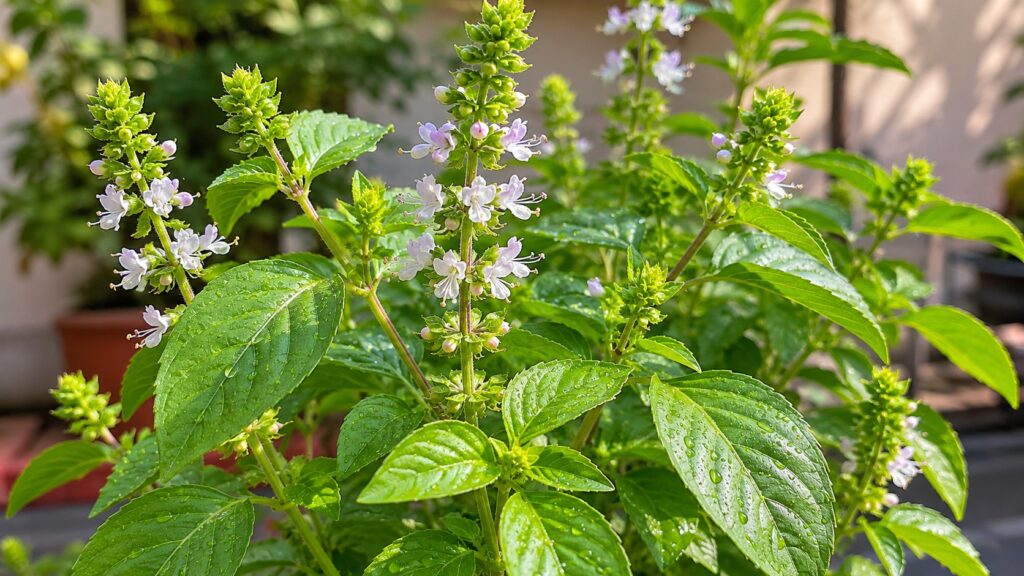
Ocimum basilicum, commonly known as Sweet Basil, is more than just a culinary staple in pesto and Italian cuisine. For centuries, this aromatic herb has been revered in traditional medicine systems for its therapeutic properties. Rich in essential oils, vitamins, and antioxidants, Sweet Basil offers a wide range of health benefits that support overall wellness.
Ocimum Basilicum origin
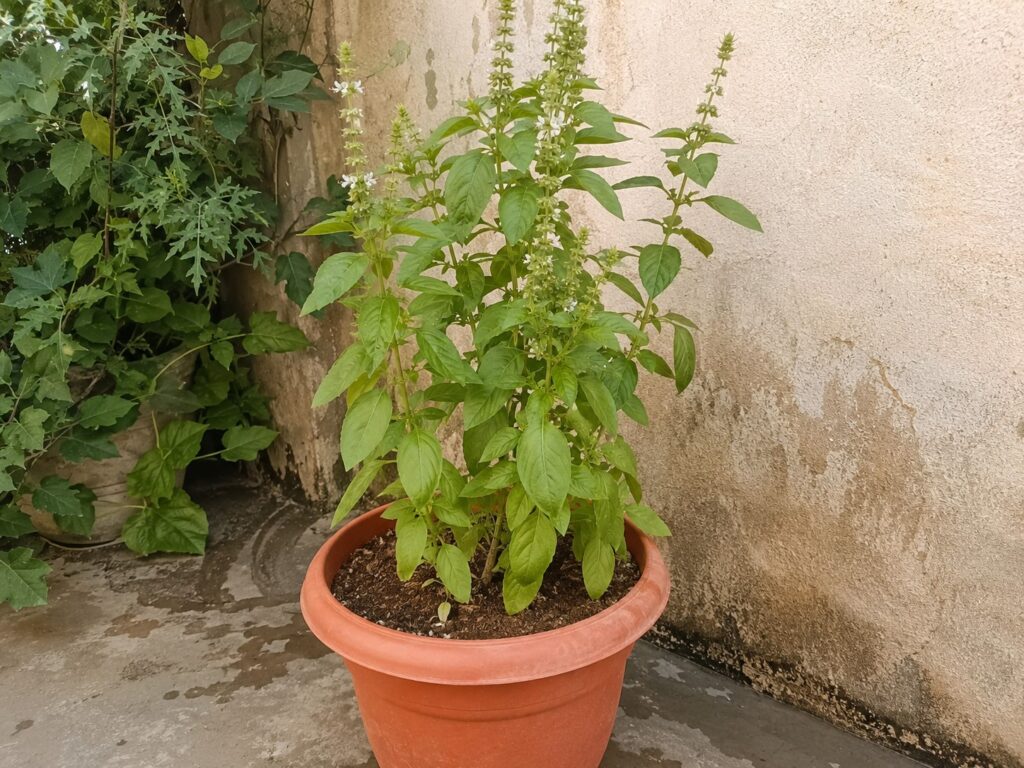
Basil’s journey began in tropical regions of Central Africa and Southeast Asia. Evidence suggests it was cultivated in India as early as 3000 BC. This leafy wonder is part of the Lamiaceae or mint family, and is characterized by:
- Growth Habit: Basil is a tender annual herb, typically growing to a height of 12-24 inches.
- Leaves: Depending on the variety, basil leaves can be smooth or slightly toothed, oval-shaped, and glossy with a slight cup-like form.
- Flowers: Small white to magenta flowers bloom in terminal clusters during the summer months
Sweet Basil Types
While Ocimum basilicum is the botanical name, this herb is most commonly known as sweet basil in culinary and wellness circles. It is important to note that “sweet basil” typically refers to the Genovese cultivar, but several popular varieties actually fall under the Ocimum basilicum species:
Genovese Basil (Classic Sweet Basil)
- Flavor Profile: Sweet and clove-like with large, tender leaves
- Best For: Pesto, Caprese salads, and Italian sauces
- Key Difference: Contains the highest eugenol content and is the most widely available variety in Western markets
Thai Sweet Basil
- Flavor Profile: Distinct anise and licorice notes with sturdy purple stems
- Best For: Pho, stir-fries, and Southeast Asian curries
- Key Difference: Highly heat-tolerant, making it ideal for high-temperature cooking without losing its aromatic flavor.
Lemon Basil
- Flavor Profile: Bright, citrus-forward with delicate leaves
- Best For: Herbal teas, seafood dishes, and light desserts
- Key Difference: A hybrid cultivar naturally rich in limonene, giving it a refreshing citrus aroma.
Pro Tip: For medicinal teas, Genovese offers higher anti-inflammatory compounds. For high-heat cooking, choose Thai sweet basil to preserve flavor and nutrients.
Ocimum Basilicum Nutrition Facts
Ocimum basilicum is a member of the Lamiaceae or mint family, closely related to herbs like oregano, mint, rosemary, and thyme. The genus Ocimum encompasses several basil varieties, with the most common being sweet basil (Ocimum basilicum). Sweet Basil is native to warm regions of Asia and Africa, and its cultivation has spread worldwide.
Basil is a low-calorie herb, rich in vitamins, minerals, and essential oils. Here’s a glimpse of its nutritional profile:
Source: USDA FoodData Central (FDC ID: 172232) | Per 100g fresh sweet basil
📋 View Complete Nutritional Breakdown
| Nutrient | Amount per 100g | % Daily Value |
|---|---|---|
| Energy | 23 kcal | 1% |
| Water | 92.1 g | — |
| Protein | 3.15 g | 6% |
| Total Fat | 0.64 g | 1% |
| Carbohydrates | 2.65 g | 1% |
| Dietary Fiber | 1.6 g | 6% |
| Total Sugars | 0.3 g | — |
| Vitamin K | 415 µg | 519% |
| Vitamin A (RAE) | 264 µg | 29% |
| Beta-Carotene | 3,140 µg | — |
| Lutein + Zeaxanthin | 5,650 µg | — |
| Vitamin C | 18 mg | 20% |
| Folate (B9) | 68 µg | 17% |
| Calcium | 177 mg | 14% |
| Iron | 3.17 mg | 18% |
| Magnesium | 64 mg | 15% |
| Potassium | 295 mg | 6% |
| Manganese | 1.15 mg | 50% |
| Copper | 0.385 mg | 43% |
| Zinc | 0.81 mg | 7% |
*Percent Daily Values are based on a 2,000 calorie diet. Your daily values may be higher or lower depending on your calorie needs.
🔍 Common Questions Answered
Ocimum Basilicum Health Benefits
The health benefits of sweet basil are attributed to its unique phytochemical composition. Ocimum basilicum is rich inessential oils, including eugenol, linalool, estragole, and methyl chavicol. These compounds possess various biological activities, contributing to basil’s health-promoting properties.
Sweet Basil isn’t just a flavor enhancer; it offers a multitude of health benefits:
Antioxidant Powerhouse
Ocimum Basilicum is brimming with antioxidants, which shield your cells from free radical damage. Free radicals contribute to various chronic diseases, and basil’s antioxidants help combat their harmful effects.
Anti-inflammatory Properties
Basil’s essential oils, particularly eugenol, exhibit anti-inflammatory properties. This can be beneficial for conditions like arthritis, inflammatory bowel disease, and asthma.
Supports Blood Sugar Control
Studies suggest that basil may help regulate blood sugar levels. Basil extracts have been shown to improve insulin sensitivity and may be beneficial for managing diabetes.
Boosts Digestive Health
Basil’s carminative properties help expel intestinal gas and relieve bloating and discomfort. It may also aid digestion by stimulating the release of digestive enzymes.
Supports Mental Well-being
Basil’s essential oils, particularly linalool, possess anxiolytic or anxiety-reducing properties. Studies suggest that basil aromatherapy may help alleviate symptoms of anxiety and improve mood.
Oral Health Benefits
Basil’s antimicrobial properties may help combat bad breath and promote oral hygiene.
Sweet Basil Uses
Sweet basil isn’t just a garnish—it’s a versatile culinary powerhouse that enhances flavor, supports digestion, and adds vibrant nutrients to everyday meals. Here’s how to make the most of fresh Ocimum basilicum in your kitchen:
1. Fresh Finishing & Flavor Boosting
Add freshly chopped sweet basil at the end of cooking to preserve its delicate volatile oils and bright aroma. It pairs beautifully with:
- Caprese salads (tomato + fresh mozzarella + basil)
•Pasta dishes, grain bowls, and roasted vegetables - Sandwiches, wraps, and avocado toast
- Creamy soups and broths (stir in just before serving)
Pro Tip: Genovese sweet basil is best used raw or lightly warmed. High heat destroys its signature sweet-clove flavor.
2. Classic Sweet Basil Pesto & Modern Twists
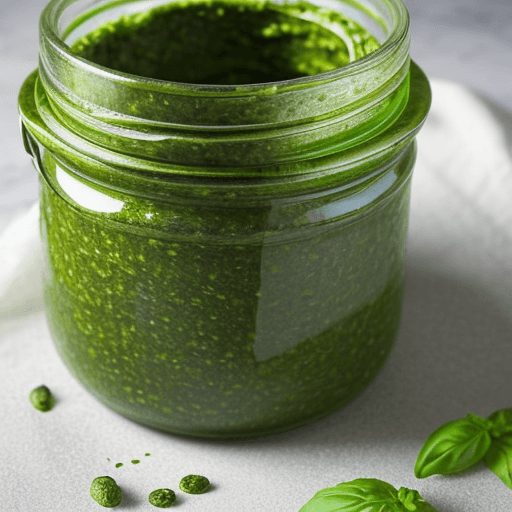
Sweet basil is the star of traditional pesto. Traditional pesto combines fresh basil leaves, crushed garlic, toasted pine nuts, grated Parmesan, and cold-pressed extra-virgin olive oil. But don’t stop there:
- Nut-free version: Swap pine nuts for walnuts or pumpkin seeds
- Dairy-free: Use nutritional yeast or vegan parmesan
- Flavor boosts: Add lemon zest, sun-dried tomatoes, or roasted red peppers
- Meal prep: Freeze pesto in ice cube trays for quick, portioned additions to sauces and grains.
Health Bonus: The healthy fats in olive oil help your body absorb basil’s fat-soluble vitamins (A, K, and lutein).
3. Basil-Infused Butter & Cooking Oils
Transform simple ingredients into gourmet flavors:
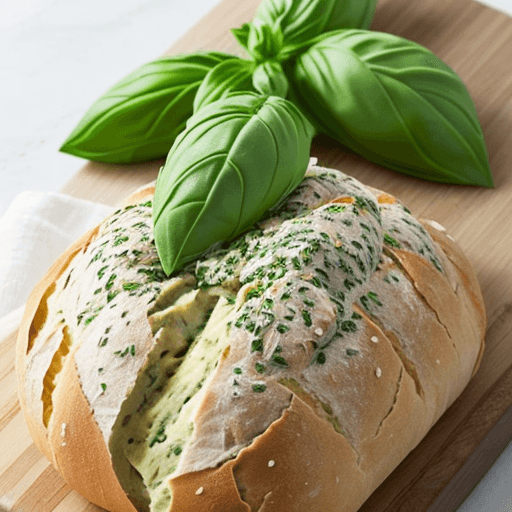
- Basil Butter: Mix softened butter with finely chopped basil, minced garlic, and a pinch of sea salt. Perfect for steaks, grilled corn, or crusty bread.
- Basil-Infused Olive Oil: Gently warm 1 cup olive oil with ½ cup fresh basil leaves for 10–15 minutes (do not boil). Let the oil cool completely, strain through cheesecloth or a fine mesh sieve, and transfer to a sterilized amber glass bottle for storage.
Safety Note: Homemade herb-infused oils can harbor Clostridium botulinum if stored improperly. Always refrigerate infused oils and use within 7 days, or add an acid (like lemon juice or vinegar) to extend shelf life. For long-term storage, freeze basil oil in ice cube trays instead.
4. Soothing Basil Tea & Herbal Infusions
Sweet basil tea is a gentle, caffeine-free wellness drink with calming and digestive-support properties:
- Steep 1 tbsp fresh chopped basil (or 1 tsp dried) in 8 oz hot water for 5–7 minutes
- Train out the leaves, then stir in honey, a squeeze of citrus, or grated ginger to taste.
- Enjoy after meals to support digestion or before bed for relaxation
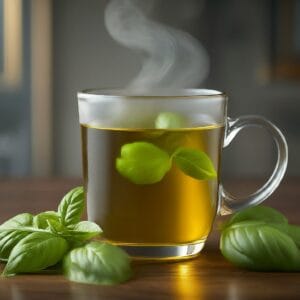
Enjoy the refreshing and calming properties of basil tea. Steep fresh basil leaves in hot water and savor the unique flavor. Looking for a deeper dive? Stay tuned for a future blog exploring the world of basil tea, where we’ll delve into its potential health benefits and brewing methods.
Note: For therapeutic teas, many herbalists prefer Holy Basil (Tulsi) or Thai Sweet Basil due to their higher eugenol and adaptogenic compound content. Regular sweet basil still offers mild calming benefits and a refreshing citrus-clove flavor.
🌶️ Variety-Specific Cooking Guide
Not all sweet basils perform the same in the kitchen:
- Genovese Sweet Basil: Best for pesto, salads, and raw finishes. Tender leaves with a classic sweet-clove flavor.
- Thai Sweet Basil: Ideal for stir-fries, curries, and high-heat cooking. Sturdy leaves with anise notes that hold up to boiling and frying.
- Lemon Basil: Perfect for teas, desserts, and seafood. Delicate citrus-forward profile that brightens light dishes.
How to store Sweet Basil
Keep your basil fresh and potent longer:
- Counter method: Trim stems, place in a glass of water like flowers, cover loosely with a bag. Lasts 5–7 days.
- Freezing: Chop basil, mix with olive oil, and freeze in ice cube trays. Perfect for future sauces and soups.
- Drying: Hang bunches upside-down in a dark, well-ventilated space. Store dried leaves in airtight jars away from light. (Note: Dried basil loses volatile oils quickly—use within 6 months for best flavor.
Sweet basil bridges the gap between gourmet flavor and everyday wellness. Whether you’re drizzling basil oil over roasted tomatoes or brewing a calming evening tea, this herb proves that small ingredients can deliver big impact.
However, it’s important to be aware of the potential risks associated with homemade Ocimum basilicum infused oils, particularly with regards to storage. For safe enjoyment, research proper infusion techniques or consider using commercially prepared infused oils.
How to grow Ocimum Basilicum
Sweet Basil is a relatively easy herb to grow, even for beginner gardeners. Here are some key points to remember:
- Sunlight: Basil thrives in full sun, so select a location that receives at least 6 hours of direct sunlight daily.
- Soil: Well-drained, fertile soil is essential. Opt for a potting mix specifically designed for herbs.
- Watering: Water regularly, keeping the soil moist but not soggy. Allow the top inch of soil to dry slightly between waterings.
- Harvesting: Pinch off leaves regularly to encourage bushier growth. Harvest leaves when they are young and flavorful.
With a little care, you can enjoy fresh basil throughout the growing season.
Conclusion
Basil’s adaptability makes it a kitchen essential. From fresh flavor bursts to starring roles in classic dishes, this herb elevates countless culinary creations. Whether you’re a seasoned chef or a home cook just starting out, incorporating basil into your meals is a guaranteed way to add a touch of vibrancy and freshness.
Disclaimer: While Ocimum Basilicum offers many health benefits, it is not a substitute for professional medical advice. Pregnant women, individuals on blood-thinning medication, or those with specific health conditions should consult a healthcare provider before using basil therapeutically.
FAQs
What Does Basil Taste Like?
Basil has a sweet, peppery flavor with hints of mint, anise, and clove. Its aromatic leaves add freshness and complexity to a variety of dishes.
How to Dry Basil?
You can dry basil by hanging the stems upside down in a warm, dark, and well-ventilated area. Alternatively, you can use a dehydrator or an oven set to a low temperature (around 100°F or 38°C) to dry the leaves.
How to Store Basil?
Basil can be stored fresh, dried, or frozen. Fresh basil can be stored in water as mentioned above. Dried basil should be kept in an airtight container in a cool, dark place. Frozen basil can be stored in ice cube trays filled with olive oil or water.
How to Freeze Basil?
To freeze basil for later use, start by washing and thoroughly drying the leaves. Chop the basil into small pieces and place them into ice cube trays, filling each section about halfway. Cover the chopped basil with either water or olive oil, then freeze until solid. Once the cubes are frozen, pop them out and transfer them to a freezer bag for easy, long-lasting storage. This method preserves the basil’s flavor and aroma, ready to elevate any future dish!
How to Grow Basil Indoors?
Basil can be grown indoors in pots placed on a sunny windowsill. Use a well-draining potting mix and water the plant regularly, ensuring it gets at least 6 hours of sunlight daily.
How to Trim Basil?
Trimming basil is similar to pruning. Regularly cut the stems back to a pair of leaves to promote new growth. Trim any flower buds that appear to keep the plant focused on producing leaves.
How to Keep Basil Fresh?
To keep basil fresh, treat it like cut flowers: place the stems in a glass of water, cover loosely with a plastic bag, and keep it on the counter away from direct sunlight. Change the water regularly.
What to Do with Basil?
Basil can be used in various dishes, including salads, soups, pastas, and sauces. It’s a key ingredient in pesto and can also be used to flavor oils and vinegars.
How to Propagate Basil?
To propagate basil, start by taking a 4-inch cutting from a healthy stem. Gently strip the leaves from the lower section, leaving just a few at the top. Place the cutting in a glass of water, ensuring only the stem base is submerged. Within a week or so, roots should start to sprout. Once roots are about an inch long, transfer the new basil plant into soil to continue growing. This simple method allows you to expand your basil garden effortlessly!
How to Grow Basil?
Basil thrives in warm, sunny environments. Plant it in well-draining soil, keep it in a location that gets at least 6-8 hours of sunlight daily, and water it consistently to keep the soil moist but not waterlogged.
How Often to Water Basil?
Water basil regularly to keep the soil consistently moist but not waterlogged. Typically, basil needs watering every 1-2 days during hot weather and every 3-4 days when it’s cooler.
How to Pick Basil Leaves?
Pick basil leaves by pinching them off at the base of the leaf stem. For larger harvests, cut the stems just above a pair of leaves.
References: