When we explore the vast landscape of nutrition, understanding the different types of food available to us is the first step towards building a resilient, holistic lifestyle. Food is not merely fuel; it is the foundational building block of our personal ecosystem. The choices we make at the dining table ripple outward, influencing our indoor and outdoor environments, our atmospheric well-being, and our long-term vitality.
Navigating the myriad of food types can feel overwhelming in a modern world filled with ultra-processed options. However, by returning to the basics and categorizing our diets into essential, whole-food groups, we can make empowered, science-backed decisions. This guide explores seven vital types of food that support natural wellness, blending traditional wisdom with modern nutritional research to help you cultivate a deeply nourishing, sustainable lifestyle.
Types of Food
1. Vegetables: The Anti-Inflammatory Foundation
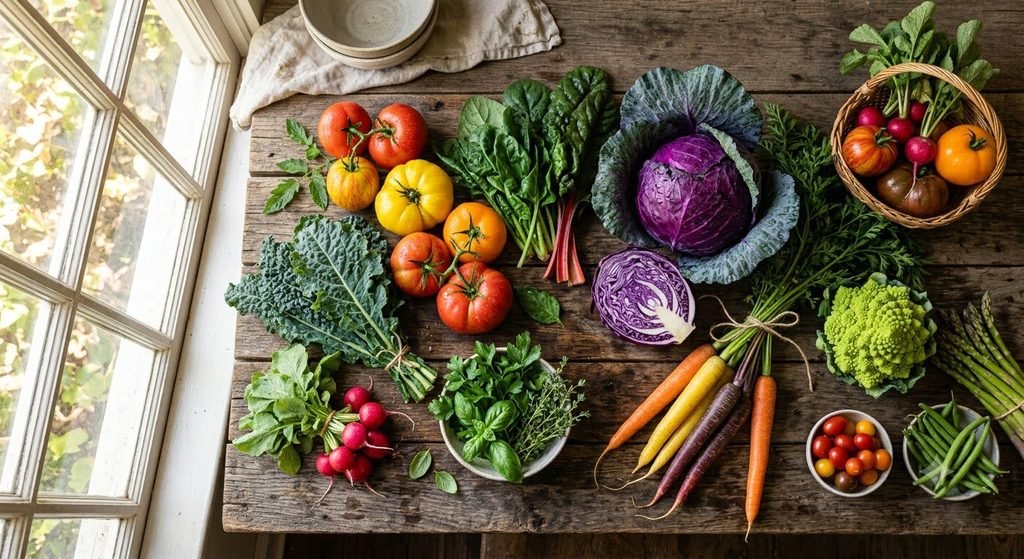
Vegetables are the cornerstone of any health-conscious diet, offering a dense concentration of vitamins, minerals, and phytonutrients. Rather than viewing them as a single monolithic group, it is helpful to understand the different types of food within this category based on their botanical structures and functional benefits. Root vegetables, leafy greens, cruciferous varieties, and alliums each bring unique compounds to the table.
For instance, cruciferous vegetables like broccoli and kale contain sulforaphane, a compound extensively studied for its potential to support the body’s natural detoxification pathways. Similarly, nightshade vegetables, such as the vibrant heirloom tomatoes we will explore in depth in an upcoming post, are rich in lycopene, a powerful antioxidant associated with cardiovascular and skin health.
- Practical Ecosystem Tip: To maximize nutrient retention, opt for gentle cooking methods like steaming or light sautéing. Sourcing locally grown, seasonal vegetables also reduces your carbon footprint, aligning your dietary choices with a sustainable, holistic living framework.
- Authoritative Reference: Research published in MDPI Nutrients consistently highlights that high intake of diverse vegetable types is strongly associated with reduced markers of systemic inflammation and improved metabolic health.
2. Fruits: Nature’s Antioxidant Powerhouses

Fruits are nature’s most accessible source of quick energy, fiber, and essential micronutrients. While often categorized by taste (sweet, tart) or climate (tropical, temperate), their true value lies in their rich polyphenol and flavonoid content. These food types play a crucial role in supporting gut health, enhancing skin radiance, and stabilizing mood.
It is also fascinating to note that many items we culinarily treat as vegetables—such as avocados, bell peppers, and cucumbers—are botanically classified as fruits. Avocados, for example, provide a unique combination of healthy monounsaturated fats and fiber, making them an exceptional choice for sustained energy and nutrient absorption.
- Practical Ecosystem Tip: Embrace the “whole fruit” over fruit juices. The intact fiber matrix in whole fruits slows the release of natural sugars, preventing blood glucose spikes and feeding beneficial gut bacteria.
- Authoritative Reference: The Mayo Clinic emphasizes that a daily intake of varied, whole fruits is a cornerstone of chronic disease prevention, providing essential potassium, vitamin C, and dietary fiber that are often lacking in modern diets.
3. Grains, Legumes, Nuts & Seeds: The Gut-Healing Triad
This category represents the ultimate bridge between traditional herbal wisdom and modern nutritional science. Whole grains, legumes, nuts, and seeds are unparalleled sources of plant-based protein, complex carbohydrates, and essential fatty acids. However, the way we prepare these types of food drastically impacts their bioavailability.
Many legumes and grains contain naturally occurring antinutrients, such as phytic acid, which can bind to minerals and inhibit absorption. However, the way we prepare these types of food drastically impacts their bioavailability. This is exactly why taking a little extra time to properly soak and prepare your legumes makes such a noticeable difference. For example, properly soaking and sprouting white beans overnight before cooking not only significantly reduces these antinutrients but also breaks down complex sugars, making them far easier to digest and unlocking their full gut-healing potential
Similarly, botanicals like Mexican oregano are not just flavor enhancers; they are potent, seed-derived herbs rich in carvacrol and rosmarinic acid, which have been studied for their robust antimicrobial and antioxidant properties.
- Practical Ecosystem Tip: Incorporate a “soaking routine” into your kitchen workflow. Keep a dedicated glass jar for soaking beans and grains, turning a simple preparation step into a mindful, rhythmic part of your daily natural living practice.
- Authoritative Reference: Want to know the science behind this? A major systematic review from the Cochrane Library confirms that eating more legumes and whole grains is a proven way to keep your blood sugar steady and feed a thriving, diverse gut microbiome.
4. Meat & Poultry: Prioritizing Quality and Sustainability
While the global wellness movement increasingly advocates for plant-forward eating, meat and poultry remain important types of food for many, providing highly bioavailable protein, iron, zinc, and B vitamins. The key to integrating these foods healthfully lies in prioritizing quality, ethical sourcing, and mindful portioning.
Not all animal proteins are created equal. Grass-fed, pasture-raised meats typically offer a more favorable omega-3 to omega-6 fatty acid ratio compared to conventionally raised counterparts. Furthermore, viewing meat as a “garnish” or complement to a meal—rather than the centerpiece—aligns with both personal health goals and broader ecological sustainability.
- Practical Ecosystem Tip: Practice “meatless Mondays” or adopt a “flexitarian” approach. When you do consume meat, seek out local farmers’ markets or regenerative agriculture sources to support food systems that heal, rather than deplete, the outdoor environment.
- Authoritative Reference: Studies indexed in Wiley Online Library indicate that dietary patterns emphasizing high-quality, minimally processed animal proteins alongside abundant plant foods are associated with better long-term muscle maintenance and metabolic health.
5. Fish and Seafood: Essential Omega-3s for Lifelong Brain Health
For those who include it in their diet, wild-caught fish and seafood represent some of the most vital food types for cognitive health, memory retention, and healthy aging. Fatty fish such as salmon, mackerel, sardines, and trout are premier dietary sources of eicosapentaenoic acid (EPA) and docosahexaenoic acid (DHA), the long-chain omega-3 fatty acids crucial for brain cell membrane integrity.
Beyond brain health, the selenium and iodine found in various seafood options play indispensable roles in thyroid function and overall metabolic regulation.
- Practical Ecosystem Tip: Be a conscious consumer of the oceans. Refer to sustainable seafood guides (like the Monterey Bay Aquarium Seafood Watch) to choose fish that are abundant and responsibly harvested, protecting marine ecosystems for future generations.
- Authoritative Reference: Research published in MDPI Nutrients consistently demonstrates that regular consumption of oily fish is correlated with a slower rate of cognitive decline and improved mood regulation in aging populations.
6. Dairy & Fermented Alternatives: Microbiome Supporters
The dairy category has evolved significantly. Traditional fermented dairy products, such as plain yogurt, kefir, and aged cheeses, are celebrated for their probiotic content, which directly supports the gut microbiome. The fermentation process not only enhances digestibility for some individuals but also increases the bioavailability of certain B vitamins.
Conversely, the rise of high-quality, plant-based alternatives has expanded this category beautifully. Unsweetened almond, oat, and coconut milks, especially those fortified with calcium and vitamin D, offer excellent types of food for those who are lactose intolerant or follow a vegan lifestyle.
- Practical Ecosystem Tip: When choosing dairy or alternatives, read labels meticulously. Opt for plain, unsweetened versions to avoid hidden added sugars, and look for products with minimal, recognizable ingredients. You can easily ferment your own coconut yogurt at home, fostering a deeper, hands-on connection to your food.
- Authoritative Reference: The Mayo Clinic notes that fermented foods are a valuable dietary component for introducing beneficial live cultures to the digestive tract, which is intricately linked to immune function and overall well-being.
7. Eggs: The Complete Nutritional Blueprint
Often debated but nutritionally profound, eggs are a standalone category of food types due to their unique biological composition. They are frequently referred to as “nature’s multivitamin” because they contain a little bit of almost every nutrient the human body requires.
Egg yolks are one of the best dietary sources of choline, a vital nutrient that supports brain development, neurotransmitter function, and liver health. The high-quality protein in eggs also promotes satiety, making them an excellent choice for stabilizing energy levels throughout the morning.
- Practical Ecosystem Tip: Source eggs from local, pasture-raised hens. The nutrient profile of an egg is directly reflective of the hen’s diet and environment. Hens that forage outdoors produce eggs with significantly higher levels of omega-3s and vitamin E.
- Authoritative Reference: Nutritional analyzes featured in Wiley Online Library affirm that moderate egg consumption, as part of a balanced diet rich in vegetables and whole grains, does not adversely affect cardiovascular risk markers in the general healthy population.
Building Your Holistic Food Ecosystem
Understanding these seven vital types of food is not about rigid restriction or obsessive counting. It is about cultivating a mindful, holistic relationship with what you consume. When you view your diet through the lens of an ecosystem, every meal becomes an opportunity to nourish your body, support your local environment, and honor traditional wisdom.
By prioritizing whole, minimally processed food types, preparing them with care (like properly soaking your legumes), and sourcing them sustainably, you create a foundation for vibrant, long-lasting health. Remember, true wellness is a journey of small, consistent choices that align with your values and your body’s unique needs.
Looking for practical ways to incorporate these principles? Stay tuned to iHealthIntrends.com for our upcoming, dedicated recipe posts featuring step-by-step guides for heirloom tomatoes, properly prepared white beans, and the rich history of Mexican oregano.
(FAQs) About Types of Food
What are the main types of food that should be consumed daily in a healthy diet?
A balanced, holistic diet is built on a foundation of whole, minimally processed foods. The five most essential types of food to consume daily include:
Vegetables: (e.g., leafy greens like spinach or cruciferous veggies like broccoli) for fiber and phytonutrients.
Fruits: (e.g., berries or citrus) for antioxidants and natural energy.
Legumes and Whole Grains: (e.g., lentils, oats, or properly soaked white beans) for sustained energy and gut-healing fiber.
Healthy Fats: (e.g., avocados, walnuts, or extra virgin olive oil) for brain health and nutrient absorption.
Quality Proteins: (e.g., wild-caught fish, pasture-raised eggs, or organic poultry) for tissue repair and muscle maintenance.
How many types of food are there in total?
While food can be categorized in dozens of ways (by macronutrient, cuisine, or processing level), nutritionists generally group them into 7 to 9 core whole-food categories: vegetables, fruits, grains, legumes, nuts/seeds, meat/poultry, fish/seafood, dairy (or fermented alternatives), and eggs. Focusing on these foundational groups ensures a diverse intake of essential vitamins and minerals.
Chronic inflammation is often driven by highly processed items rather than whole foods. The types of food most commonly linked to inflammatory responses include:
Ultra-processed foods: Packaged snacks, fast food, and refined carbohydrates (like white bread and pastries).
Added sugars and high-fructose corn syrup: Found in sodas, sweetened yogurts, and many commercial sauces.
Certain industrial seed oils: When consumed in excessive, unbalanced amounts without adequate omega-3s.
Tip: Swapping these for anti-inflammatory types of food, like fatty fish, turmeric, and leafy greens, can help support your body’s natural healing processes.
3. What types of food cause inflammation in the body?
Chronic inflammation is often driven by highly processed items rather than whole foods. The types of food most commonly linked to inflammatory responses include:
Ultra-processed foods: Packaged snacks, fast food, and refined carbohydrates (like white bread and pastries).
Added sugars and high-fructose corn syrup: Found in sodas, sweetened yogurts, and many commercial sauces.
Certain industrial seed oils: When consumed in excessive, unbalanced amounts without adequate omega-3s.
Tip: Swapping these for anti-inflammatory types of food, like fatty fish, turmeric, and leafy greens, can help support your body’s natural healing processes.
What do you call the different types of food in nutritional science?
By Macronutrient: Carbohydrates, proteins, and fats (the nutrients that provide energy).
By Food Groups: The culinary and agricultural categories we use for meal planning, such as the “MyPlate” model (fruits, vegetables, grains, protein foods, and dairy).
How should I store different types of food to maximize their nutrients?
Proper storage preserves the nutritional integrity of whole foods:
Leafy greens and herbs: Store in a glass jar with an inch of water in the fridge, covered loosely with a reusable bag.
Root vegetables (potatoes, onions, garlic): Keep in a cool, dark, well-ventilated pantry (but store potatoes and onions separately, as onions accelerate potato sprouting).
Nuts and seeds: Because their healthy fats can oxidize, store them in airtight containers in the freezer to maintain freshness and prevent rancidity.
Legumes (dried): Keep in glass jars in a cool, dry place. Once cooked, store in the fridge for up to 5 days or freeze for longer storage.
What types of food should be limited to support healthy cholesterol levels?
To support cardiovascular health, it is wise to limit foods high in trans fats and excessive saturated fats, such as commercially baked goods, fried fast foods, and heavily processed meats (like conventional sausages or deli meats). Instead, focus on types of food rich in soluble fiber (like oats and beans) and omega-3 fatty acids (like salmon and chia seeds), which actively help manage healthy cholesterol levels.
Can plant-based types of food provide all the nutrients my body needs?
Yes, a well-planned plant-forward diet can meet all your nutritional needs. By combining different types of plant foods—such as pairing legumes with whole grains to form complete proteins, and including seeds like flax or chia for omega-3s—you can thrive. However, nutrients like Vitamin B12, Vitamin D, and bioavailable iron may require mindful sourcing or supplementation, so consulting a healthcare provider is always recommended.