Last Updated on 23 October 2026 by Ahsan Khan
Figs fruit have nourished civilizations for over 11,000 years — from ancient Egyptian pharaohs to Mediterranean villagers today. These honey-sweet, nutrient-dense powerhouses aren’t just delicious; they’re packed with fiber, potassium, and antioxidants that support digestive health, heart function, and blood sugar balance.
But here’s what most people don’t know: figs aren’t technically “fruit” in the botanical sense. And that’s just the beginning of the surprising science behind these ancient superfoods.
What Are Figs? The Botanical Truth
Before we explore the health benefits, let’s clear up a common misconception: are figs fruit?
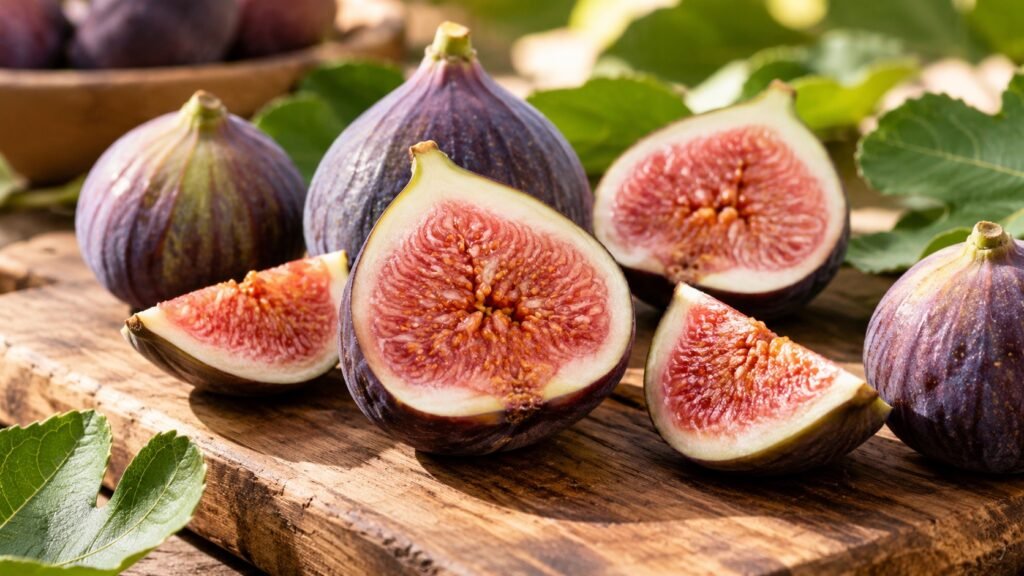
Technically, no — at least not in the traditional botanical sense. What we eat as a “fig” is actually an inverted flower cluster called a syconium. The tiny flowers bloom inside the bulbous structure, and the seeds you crunch on are the actual fruits (yes, it’s that backwards!).
According to Purdue University’s horticultural archive, the fig (Ficus carica) belongs to the Moraceae family—a botanical family that also includes mulberries and breadfruit. Purdue notes that the fig’s unique botanical structure (a fleshy, hollow receptacle called a synconium) gives it a distinctive texture. Furthermore, this unique structure is why certain fig varieties require special pollination by the tiny fig wasp (Blastophaga grossorum) to develop normally.
Why does this matter for your health?
Understanding that figs are essentially “flower vessels” helps explain their exceptional nutrient density — they’re designed by nature to protect and nourish developing seeds, concentrating vitamins, minerals, and antioxidants in every bite.
Fresh vs. Dried Figs: Nutritional Showdown
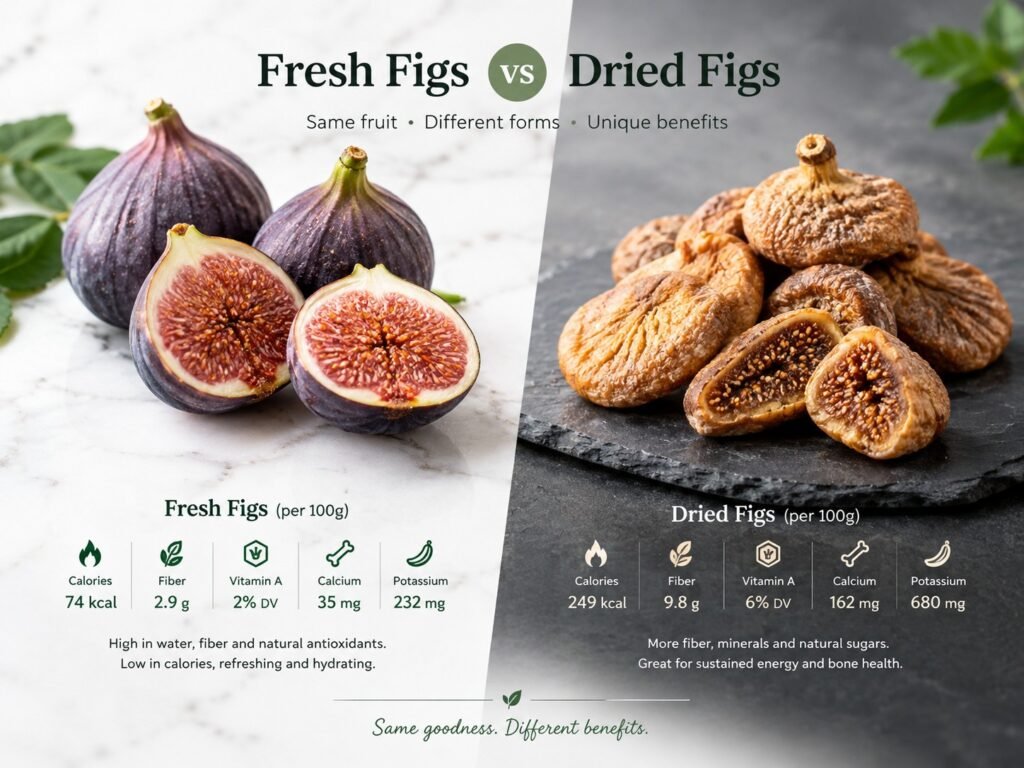
One of the most common questions we get: should you eat fresh figs fruit or dried figs fruit for maximum health benefits?
The answer depends on your goals. Here’s the science-backed breakdown:
Nutritional Comparison (Per 100g)
| Nutrient | Fresh Figs | Dried Figs |
|---|---|---|
| Calories | 74 kcal | 249 kcal |
| Fiber | 2.9g | 9.8g |
| Potassium | 232mg | 680mg |
| Calcium | 35mg | 162mg |
| Sugar | 16g | 48g |
| Water Content | 79% | 30% |
| Vitamin K | 4.7mcg | 15.6mcg |
Data sources: USDA FoodData Central, Purdue University Horticulture
Key Takeaways:
- Dried figs are concentrated nutrition — One dried fig delivers roughly 3-4x the nutrients of a fresh fig by weight
- Fresh figs are lower in sugar — Better for blood sugar management and calorie control.
- Dried figs = more fiber — Nearly 10g per 100g makes them exceptional for digestive health.
- Portion matters — 100g dried figs = ~12-15 figs; 100g fresh = ~2-3 large figs
The Verdict:
- Choose fresh figs fruit for hydration, lower calories, and delicate flavor.
- Choose dried figs fruit for portable nutrition, maximum fiber, and mineral density.
- Best approach: Rotate both based on your health goals and seasonality
7 Science-Backed Figs Benefits
Now, let’s explore what makes figs fruit benefits so powerful. Each benefit below is supported by peer-reviewed research or authoritative health institutions.
1. Digestive Health Powerhouse
Figs are legendary for supporting digestive regularity — and science confirms why.
The Research:
With 2.9g fiber per fresh fig and 9.8g per 100g dried, figs deliver both soluble and insoluble fiber. The soluble fiber forms a gel-like substance that slows digestion, while insoluble fiber adds bulk to stool and promotes regularity.
Bonus: Figs contain prebiotic compounds that feed beneficial gut bacteria, supporting a healthy microbiome — the foundation of immune function and metabolic health.
How to use: 2-3 dried figs soaked overnight in water create a gentle, natural laxative effect recommended by traditional medicine systems.
If you’re looking to maximize your daily prebiotic fiber intake, check out our comprehensive guide on the [health benefits of white beans], another incredible superfood for gut health and sustained energy.
2. Heart Health Support
Your heart will thank you for adding figs to your diet.
The Research:
Figs are exceptionally rich in potassium (680mg per 100g dried), a mineral critical for blood pressure regulation. By offsetting the impact of high sodium intake and easing tension in your arteries, potassium naturally supports healthy blood flow.
Additionally, figs contain omega-3 and omega-6 fatty acids plus phytosterols that help maintain healthy cholesterol levels.
Clinical Evidence:
A 2021 review in Nutrients found that regular dried fruit consumption, including figs, was associated with reduced cardiovascular disease risk due to fiber, potassium, and polyphenol content.
How to use: Pair 2-3 dried figs with walnuts for a heart-healthy snack combining potassium, omega-3s, and fiber.
3. Blood Sugar Regulation (Despite Natural Sugars)
This may surprise you: figs may actually help balance blood sugar.
The Research:
Despite their sweetness, figs have a moderate glycemic index (around 61 for dried figs) and contain compounds that may improve insulin sensitivity.
Key Mechanism:
Figs contain abscisic acid (ABA), a plant hormone shown in research to stimulate insulin secretion and improve glucose uptake in cells.
Fiber Factor:
The high fiber content slows sugar absorption, preventing rapid blood sugar spikes. A study in Diabetes Care found that high-fiber diets improved glycemic control in type 2 diabetes patients.
How to use: Enjoy figs with protein (Greek yogurt, nuts, or cheese) to further moderate blood sugar response.
4. Bone Density Support
Figs are one of the best plant-based sources of bone-building minerals.
The Research
- Per 100g, dried figs provide:
- 162mg calcium (16% DV)
- 67mg magnesium (16% DV)
- 1.3mg iron (7% DV)
- 15.6mcg vitamin K (13% DV)
This mineral matrix is crucial for bone formation and preventing osteoporosis, especially in postmenopausal women.
Clinical Context:
By switching on osteocalcin, Vitamin K directs calcium into bone tissue, effectively cementing it where your body needs it most. Without adequate vitamin K, calcium can’t be properly utilized.
How to use: Make dried figs part of your daily mineral strategy — especially if you’re dairy-free or plant-based.
5. Antioxidant Protection
Figs are loaded with polyphenols that fight oxidative stress.
The Research:
A study in the Journal of Agricultural and Food Chemistry found that figs contain significant levels of:
- Anthocyanins (in dark purple varieties)
- Flavonoids (rutin, quercetin)
- Phenolic acids (chlorogenic acids)
- These compounds neutralize free radicals that contribute to aging, inflammation, and chronic disease.
Dark vs. Light Varieties:
Darker figs (Mission, Black Turkey) have higher anthocyanin content than green varieties (Calimyrna, Kadota), offering superior antioxidant protection.
How to use: Choose deeply colored figs when possible for maximum polyphenol intake.
Pairing antioxidant-rich fruits with powerful culinary herbs can further enhance your body’s defense against oxidative stress. Learn more in our deep dive into the [science-backed benefits of Mexican oregano]
6. Skin Health & Anti-Aging
Your skin can benefit from figs both internally and topically.
The Research:
Figs contain vitamin C, vitamin E, and zinc — nutrients essential for collagen synthesis and skin repair. The fruit’s latex (sap) has been traditionally used to treat warts and skin tags, though modern dermatology advises caution.
Internal Benefits:
Antioxidants in figs protect skin cells from UV damage and support elasticity. The high water content in fresh figs also contributes to skin hydration.
How to use: Eat fresh figs during summer for hydration + antioxidants; use dried figs year-round for mineral support.
7. Weight Management Support
Despite their sweetness, figs can support healthy weight when consumed mindfully.
The Research:
The fiber-protein combination in figs promotes satiety (fullness), reducing overall calorie intake. A study in Appetite found that high-fiber snacks reduced hunger ratings and subsequent food intake.
Portion Control Tip:
2-3 dried figs (40-60 calories) provide satisfying sweetness and fiber without excessive calories — perfect for curbing sugar cravings naturally.
How to use: Keep dried figs in your bag as a healthy emergency snack to avoid vending machine temptations.
How Many Figs Should You Eat Daily?
How Many Figs Should You Eat Daily?
Recommended Portions:
| Form | Daily Serving | Why |
|---|---|---|
| Fresh figs | 2-4 medium figs | Balanced nutrition, lower sugar |
| Dried figs | 2-3 figs (30-40g) | Concentrated nutrients, higher sugar |
Important: Excessive fig consumption (especially dried) may cause:
- Digestive upset (diarrhea, bloating) due to high fiber and sorbitol content
- Blood sugar spikes if eaten alone without protein/fat
- Weight gain from excess calories (dried figs are calorie-dense)
Medication Note:
Figs contain vitamin K, which can interact with blood thinners like warfarin. If you take anticoagulants, maintain consistent fig intake and consult your doctor.
How to Choose, Store & Enjoy Figs
Choosing Fresh Figs Fruit:
- Look for: Plump, soft (not mushy) figs with deep color
- Smell: Sweet, honey-like aroma
- Avoid: Bruised, shriveled, or sour-smelling figs
Storing Fresh Figs:
- Counter: 1-2 days (eat immediately for best flavor)
- Refrigerator: Up to 5-7 days in a single layer
- Freezer: Wash, dry, freeze whole on baking sheet, then transfer to bags (up to 6 months)
Storing Dried Figs:
- Pantry: 3-6 months in airtight container
- Refrigerator: 6-12 months
- Freezer: Up to 18 months
Simple Ways to Enjoy:
- Breakfast: Slice fresh figs over oatmeal or Greek yogurt
- Salads: Add dried figs to arugula salads with goat cheese
- Snack: Stuffed dried figs with almond butter
- Appetizer: Fresh figs + prosciutto + balsamic glaze
- Trail mix: Combine dried figs, walnuts, and dark chocolate chips
Fig Fruit FAQ
Are figs fruit or vegetables?
Culinarily, figs are treated as fruit. Botanically, they’re syconiums (inverted flower clusters), making them technically neither true fruit nor vegetable. For nutrition purposes, they’re classified as fruit.
Can diabetics eat figs?
Yes, in moderation. Figs have a moderate glycemic index and contain fiber that slows sugar absorption. Pair with protein/fat and limit to 1-2 dried figs or 1 fresh fig per serving. Monitor blood sugar response.
Are fig seeds safe to eat?
Yes, fig seeds are completely edible and provide additional fiber and crunch. They’re too small to remove and are meant to be consumed.
Do figs help with constipation?
Yes. Figs are a traditional remedy for constipation due to their high fiber content (especially dried figs) and natural laxative compounds like sorbitol. Soaking 2-3 dried figs overnight and eating them in the morning is particularly effective.
Are dried figs healthier than fresh?
Dried figs offer concentrated fiber and minerals but more sugar and calories. Fresh figs provide hydration, lower calories, and delicate flavor. Rotate both for balanced nutrition.
Can you eat fig skin?
Yes, the skin of fresh figs is edible and contains additional fiber and antioxidants. Simply wash thoroughly before eating. Some people prefer to peel very thick-skinned varieties, but it’s not necessary.
The Bottom Line
Fig’s fruit are far more than a sweet treat — they’re nutritional powerhouses backed by centuries of traditional use and modern scientific research.
From digestive health to heart support, blood sugar balance to bone density, these ancient superfoods deliver exceptional benefits when consumed mindfully.