
Last Updated on 6 May 2026 by Ahsan Khan
Discover how paprika pepper adds color, flavor, and nutrients to your dishes. Learn its types, health perks, substitutes, and cultivation secrets.
Paprika pepper, scientifically known as Capsicum annuum, is a versatile and vibrant spice that adds both color and flavor to various dishes. Belonging to the nightshade family, this pepper is native to Central Mexico and has become a staple in many cuisines worldwide.
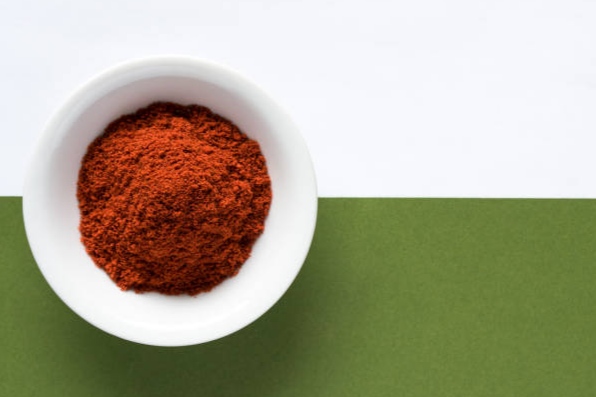
What is paprika made of?
Paprika is a ground spice made from dried Capsicum annuum peppers—typically sweet red bell peppers, but sometimes mildly hot varieties. The peppers are sun-dried, oven-dried, or smoked, then finely milled into a vivid red powder.
Unlike chili powder, pure paprika contains no added spices—just dried peppers. Its flavor ranges from sweet and fruity to smoky or mildly spicy, depending on the pepper variety and processing method.
🌶️ Fun Fact: The word “paprika” comes from the Hungarian word for “pepper,” reflecting its deep roots in Central European cuisine.
Types of Paprika: A Global Flavor Guide
Not all paprika is the same. Its flavor, color, and heat depend on pepper variety, growing region, and drying method. Here are the three major types—plus regional sub-varieties:
Sweet Paprika (Standard / Domestic)
- Origin: Hungary, U.S., Spain
- Flavor: Mild, earthy, slightly fruity—zero heat
- How it’s made: Ground from fully ripe, sweet red peppers with seeds and membranes removed
- Best for: Deviled eggs, potato salad, creamy sauces, garnishing
- Color: Bright brick red
🇭🇺 Hungarian Sweet Paprika (Édesnemes): The gold standard—vibrant, aromatic, and essential in paprikás csirke (chicken paprikash).
Smoked Paprika
- Origin: La Vera, Spain (Protected Designation of Origin)
- Flavor: Deep, wood-smoked, complex—not spicy (unless labeled “picante”)
- How it’s made: Peppers are smoke-dried over oak or beech wood for 10–15 days, then ground

Sub-Types:
- Sweet Paprika (Sweet): Mild, smoky
- Bittersweet Paprika: Medium heat
- Hot Paprika: Spicy + smoky
- Best for: Chorizo, stews, BBQ rubs, roasted vegetables
Pro Tip: Authentic Pimentón de la Vera carries a red or green PDO seal—look for it on packaging.
Hot Paprika
- Origin: Hungary, Balkans
- Flavor: Noticeable warmth (500–1,500 SHU), still earthy and rich
- How it’s made: Includes some seeds and inner membranes (where capsaicin concentrates)
- Best for: Goulash, spicy sausages, bold meat rubs
Note: Not as hot as cayenne—but adds slow-building heat
Paprika Types Compared: Flavor, Heat & Best Uses
Paprika Plant: Botany & Cultivation
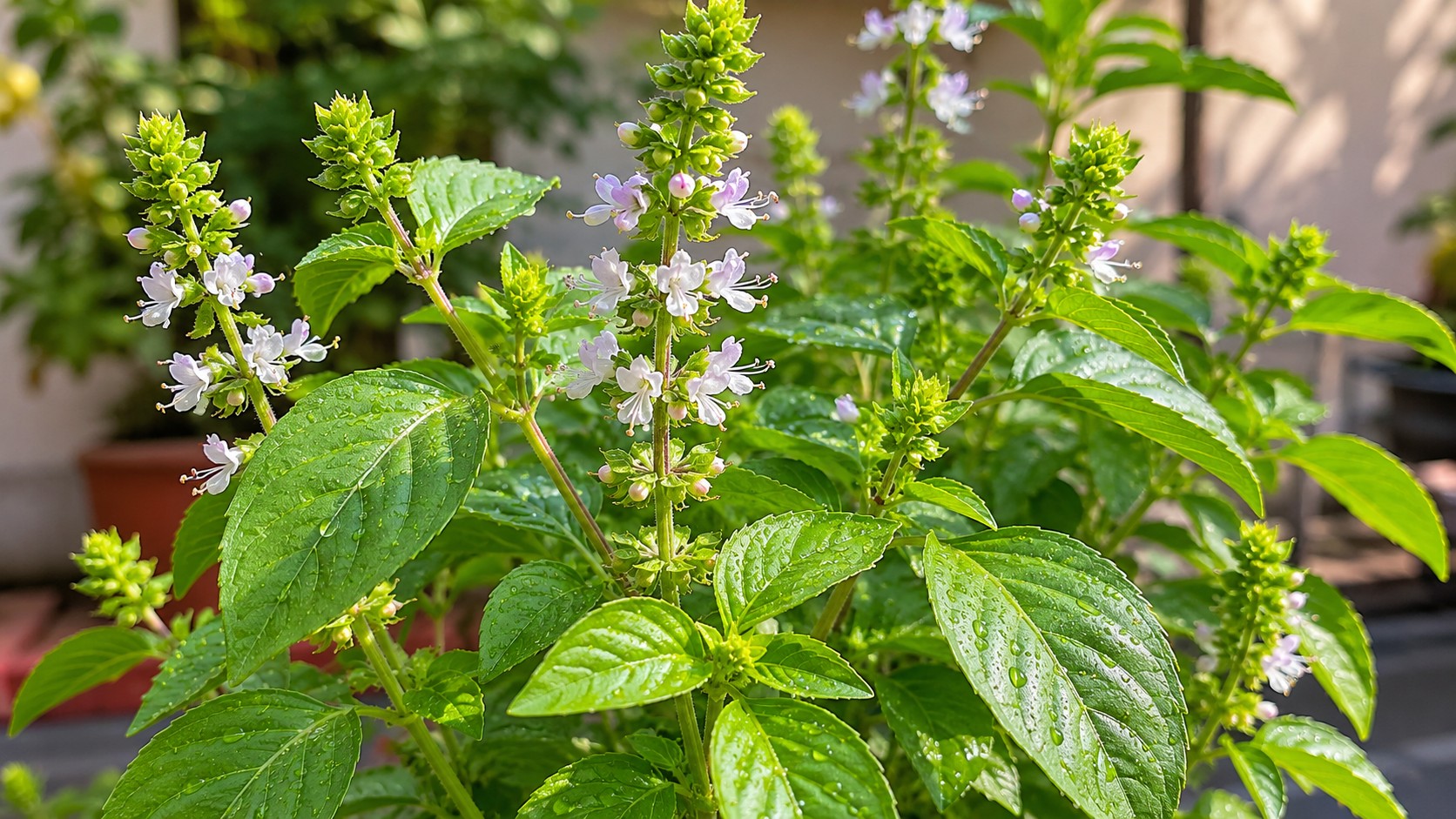
The paprika pepper plant (Capsicum annuum) is a compact, bushy annual that grows 18–36 inches tall. It features:

- Glossy green leaves
- White or purple flowers
- Pods that mature from green → yellow → deep red
Ideal growing conditions:
- Full sun (6–8 hours/day)
- Well-draining, fertile soil (pH 6.0–6.8)
- Warm temperatures (70–85°F / 21–29°C)
- Consistent watering (avoid waterlogged soil)
Paprika peppers thrive in USDA zones 9–11 but can be grown as annuals in cooler climates with early indoor starts.
Pro Tip: For the richest color and flavor, harvest peppers only when fully red and ripe—green peppers lack the carotenoids that give paprika its signature hue.
Paprika Pepper Seeds: How to Grow Your Own

Growing paprika from seed is rewarding and cost-effective:
- Start indoors 8–10 weeks before last frost.
- Sow seeds ¼ inch deep in seed-starting mix.
- Keep soil warm (75–85°F) for germination (7–21 days).
- Transplant outdoors after soil reaches 60°F+ and frost risk has passed.
- Space plants 18–24 inches apart.
- Harvest in 70–90 days when peppers are deep red and firm.
Note: Save seeds from heirloom (non-hybrid) paprika peppers for replanting. Hybrid seeds won’t breed true.
Smoked Paprika vs Sweet Paprika: What’s the Difference?

Spanish smoked paprika (paprika) comes in three styles:
- Dulce (sweet)
- Agridulce (bittersweet)
- Picante (spicy)
Authentic Tip: Look for “Pimentón de la Vera” with a Protected Designation of Origin (PDO) label for guaranteed quality.
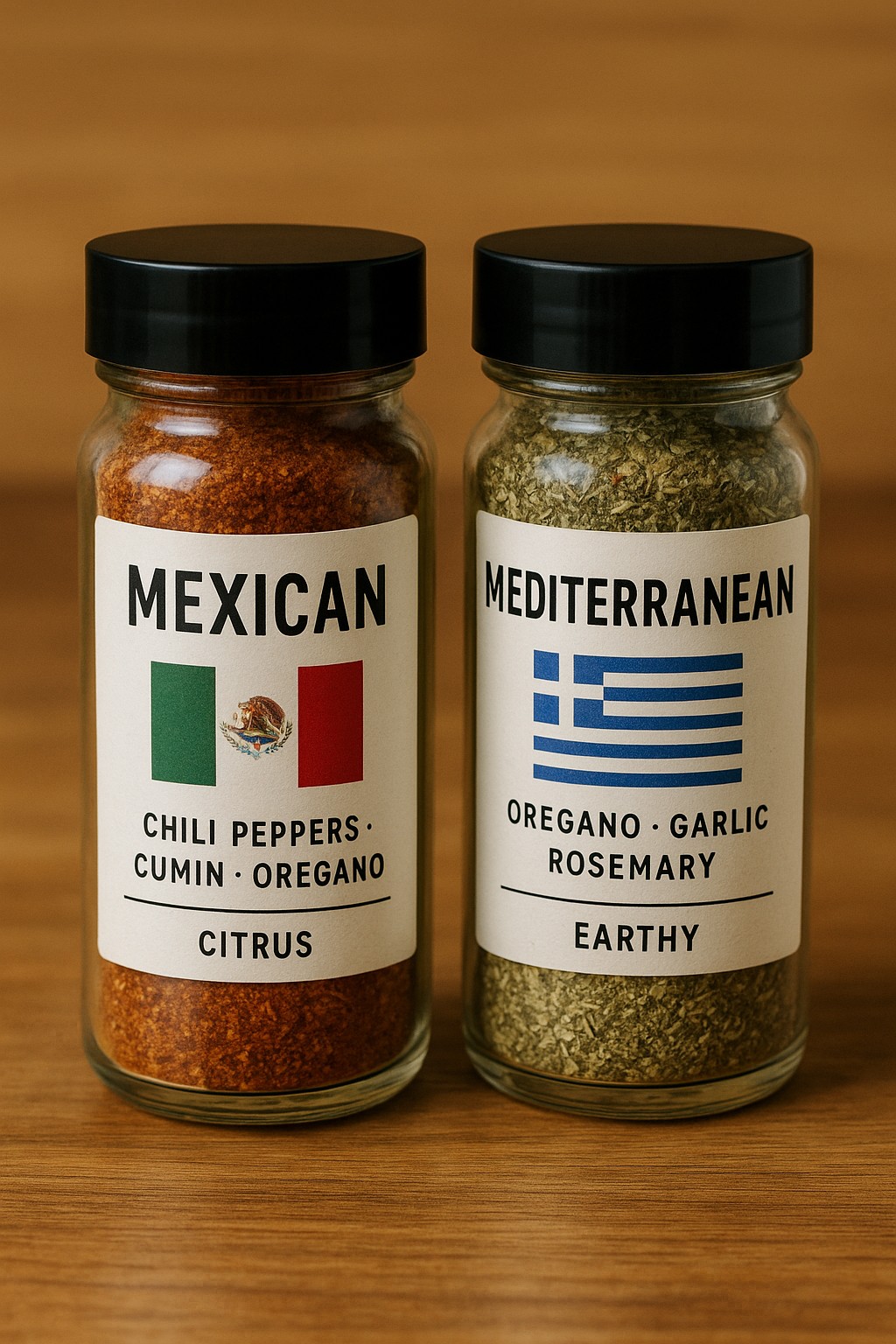
Paprika vs Chili Powder: Don’t Confuse Them!
| PAPRIKA | CHILI POWDER | |
|---|---|---|
| Ingredients | 100% ground dried peppers | Blend: chili peppers + cumin, garlic, oregano, salt |
| Heat | Mild (unless labeled “hot”) | Medium to hot |
| Color | Bright red | Duller red/brown |
| Use Case | Color + subtle flavor | Bold, spicy seasoning |
Bottom line: You cannot substitute chili powder 1:1 for paprika—it will alter flavor, color, and heat dramatically.
Substitute For Paprika (With Flavor & Heat Guide)
Running out of paprika? Try these alternatives—matched by flavor profile:

How to Use Paprika in Cooking
Paprika shines in both flavor and visual appeal:
- Garnish: Sprinkle on hummus, deviled eggs, or potato salad
- Sauces & Stews: Hungarian goulash, Spanish chorizo, chicken paprikash
- Rubs & Marinades: Mix with garlic, oil, and herbs for grilled meats
- Vegetables: Toss roasted carrots or cauliflower with smoked paprika
- Cheese Dips: Adds warmth and color to cheese or fondue
Chef’s Secret: Never fry paprika in hot oil alone—it burns easily. Mix with liquid (water, broth, oil) first, or add at the end of cooking.
Health Benefits of Paprika
Paprika isn’t just colorful—it’s nutrient-dense:
- Rich in antioxidants: Capsanthin (gives red color) fights oxidative stress
- High in vitamin A: Supports vision and immune function
- Contains vitamin E & B6: For skin health and metabolism
- Anti-inflammatory: Capsaicin (in hot varieties) may reduce pain and inflammation
According to the USDA Food Data Central, 1 tbsp (6.8g) of paprika provides:
- 20% DV Vitamin A
- 12% DV Vitamin E
- 8% DV Iron
Source: National Institutes of Health – Vitamin A Fact Sheet
Can Dogs Eat Paprika?
Not recommended. While small amounts aren’t toxic, paprika can:
- Irritate a dog’s digestive tract
- Cause vomiting or diarrhea
- Lead to mouth/throat discomfort (especially smoked or hot types)
The American Kennel Club (AKC) advises avoiding paprika in pet food.
How to Make Paprika at Home
Step-by-step:
- Harvest fully ripe red Capsicum annuum peppers.
- Remove stems (seeds optional—remove for milder flavor).
- Dry using one method:
- Sun-dry: 5–7 days in hot, dry climate
- Oven: 150°F (65°C) for 6–12 hours
- Dehydrator: 125°F (52°C) for 8–12 hours
- Grind brittle peppers in a spice grinder or mortar/pestle.
- Sift for fine powder; store in an airtight jar away from light.
For Smoked Paprika: Smoke fresh peppers over hardwood (oak, hickory) for 6–12 hours before drying.
Conclusion
In conclusion, paprika pepper is not just a spice; it’s a journey from seed to seasoning. Whether you’re cultivating the plant in your garden or experimenting with different varieties in your kitchen, paprika adds depth and color to your culinary creations. The next time you reach for this vibrant spice, you’ll have a newfound appreciation for the journey that begins with a tiny seed and blossoms into the bold flavors of paprika. Happy Cooking!!
If you are interested to read more flavorful culinary spices read :
- Sumac Spice: Unlock The Health Benefits And Make Feast
- What Is Mexican Oregano? Uses, Benefits, Where To Buy
- What Is Coriander? Unlock This Ancient Timeless Super Seed
- Origanum Vulgare: The Powerful Truth Behind True Oregano
FAQ
What does paprika taste like?
Flavor depends on types:
Sweet paprika: Mild, slightly sweet, earthy
Smoked paprika: Rich, woody, campfire-like
Hot paprika: Gentle warmth (not fiery)
Is paprika good for you?
Absolutely—it offers antioxidants, vitamins (like A, B, C), and phytochemicals linked to cardiovascular and immune benefits.
What is sweet paprika?
A mild powder made from pure red pepper flesh without seeds—think flavorful color, not heat.
How to make paprika?
Harvest ripe red peppers (Capsicum annuum).
Dry thoroughly (sun, dehydrator, or low oven).
Remove stems (optional: de‑seed for milder flavor).
Grind to a fine, vibrant powder.
What is paprika used for?
Common uses include:
Coloring and flavoring stews, soups, sausages (like Spanish chorizo)
Topping deviled eggs, potato salads
Adding aromatic warmth to rubs, dips, roasted vegetables
Is smoked paprika spicy?
No—its standout feature is smoky aroma, not spiciness. Most smoked paprika is mild, though it can range from sweet to piquant depending on pepper variety.
How to make smoked paprika?
Dry ripe peppers slowly over hardwood smoke. Once brittle, remove stems, de‑seed if needed, and grind into powder. The result: paprika with deep, wood‑smoked flavor.
How to store paprika?
In a cool, dark, airtight container. Replace every 6–12 months for best flavor.
References
- What Is Paprika? A Guide to Its Types, Benefits, and Cooking Tips – Escoffier
- Carotenoid profiling from 27 types of paprika (Capsicum annuum L.) with different colors, shapes, and cultivation methods – ScienceDirect
- Effects of paprika carotenoid supplementation on bone turnover in postmenopausal women: a randomized, double-blind, placebo-controlled, parallel-group comparison study – PMC
- Nutrient Requirements of Dogs and Cats | The National Academies Press
- Red pepper (Capsicum annuum) carotenoids as a source of natural food colors: analysis and stability—a review | Journal of Food Science and Technology

nice information and good article thank you