Last Updated on 15 October 2026 by Ahsan Khan
If you are looking to elevate your holistic wellness routine with nutrient-dense, plant-based foods, the chayote (pronounced chy-OH-tay) is a tropical treasure you cannot afford to ignore. While often prepared as a chayote squash vegetable in culinary settings worldwide, it is botanically classified as a chayote fruit.
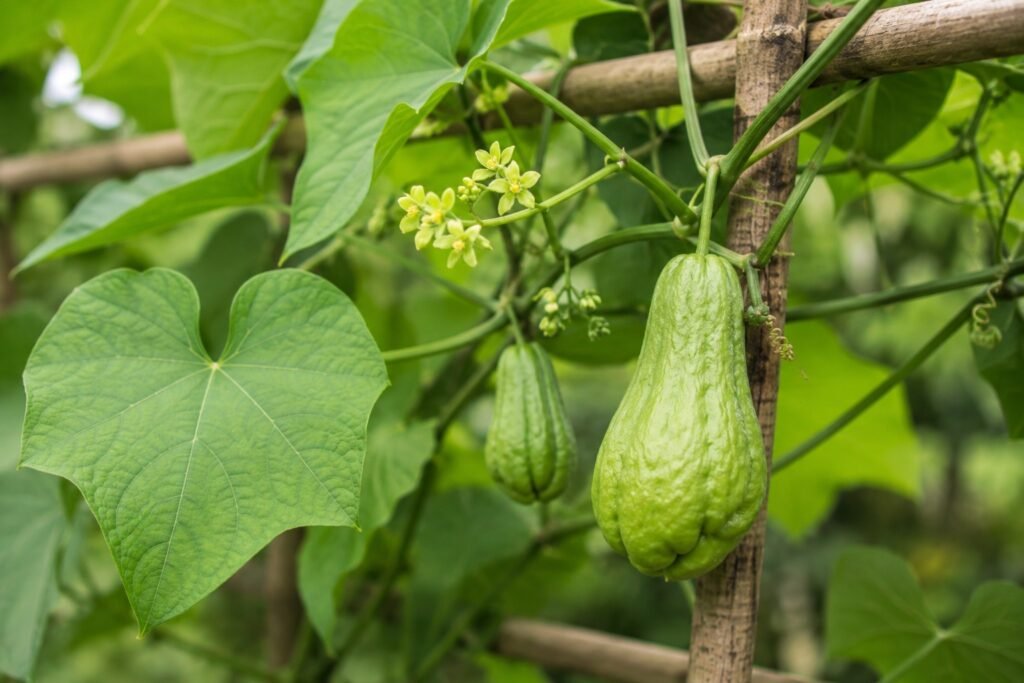
Whether you are exploring natural ways to support gut health, seeking antioxidant-rich foods for cellular vitality and healthy aging, or simply curious about this unique ingredient, this ultimate guide breaks down the science-backed benefits of chayote squash. (For a quick primer on its origins and naming, see our dedicated guide: [What is Chayote? A Simple Definition & Meaning].)
Chayote Squash
To truly understand the value of this plant, we must look at its roots. Chayote (Sechium Edule) is a proud member of the Cucurbitaceae family, making it a close botanical cousin to cucumbers, melons, pumpkins, and zucchini.
Originating in Mesoamerica (modern-day Mexico and Central America), chayote has been cultivated by indigenous civilizations for centuries. From an ecological perspective, the chayote vine is a model of sustainability and natural living. As a robust perennial plant, it requires minimal replanting, thrives in diverse soil conditions, and supports local biodiversity. In a holistic outdoor ecosystem framework, the sprawling vines provide natural shade for understory plants, reduce soil erosion, and require significantly less water than annual crops once established. This resilience makes it a cornerstone crop for sustainable agriculture and permaculture designs.
“Chayote has been a staple in Latin American cuisines for centuries, and its versatility and health benefits make it a hidden gem among vegetables.”
Chayote Nutrition Facts
Don’t let its mild, watery appearance fool you. The chayote squash is a dense source of essential vitamins and minerals, offering a high nutrient-to-calorie ratio.
This nutritious vegetable brims with vital vitamins, minerals, and antioxidants. With its high fiber content and abundance of vitamin C, it provides a wide range of health advantages.
High in fiber, it supports digestion and helps you feel full longer, which is ideal for weight management. Additionally, it’s low in calories, making it a perfect choice for those aiming to maintain a balanced diet.
One serving provides almost a third of your daily vitamin C needs, which is essential for a strong immune system and cellular protection. It also contains vital nutrients like folate, potassium, and manganese, all of which play important roles in maintaining overall health.
Below is a detailed nutritional breakdown of a 100-gram serving of raw, peeled chayote:
| Nutrient | Amount per 100g (Raw) | % Daily Value* | Primary Health Benefit |
|---|---|---|---|
| Calories | 19 kcal | 1% | Ultra-low calorie for weight management |
| Dietary Fiber | 1.7 g | 6% | Supports digestive regularity & gut health |
| Vitamin C | 7.7 mg | 13% | Boosts immunity & collagen production |
| Folate (B9) | 93 mcg | 23% | Essential for cellular repair & metabolism |
| Potassium | 125 mg | 3% | Regulates blood pressure & fluid balance |
| Manganese | 0.19 mg | 8% | Supports bone health & antioxidant defense |
| Vitamin K | 4.1 mcg | 3% | Promotes bone metabolism & blood health |
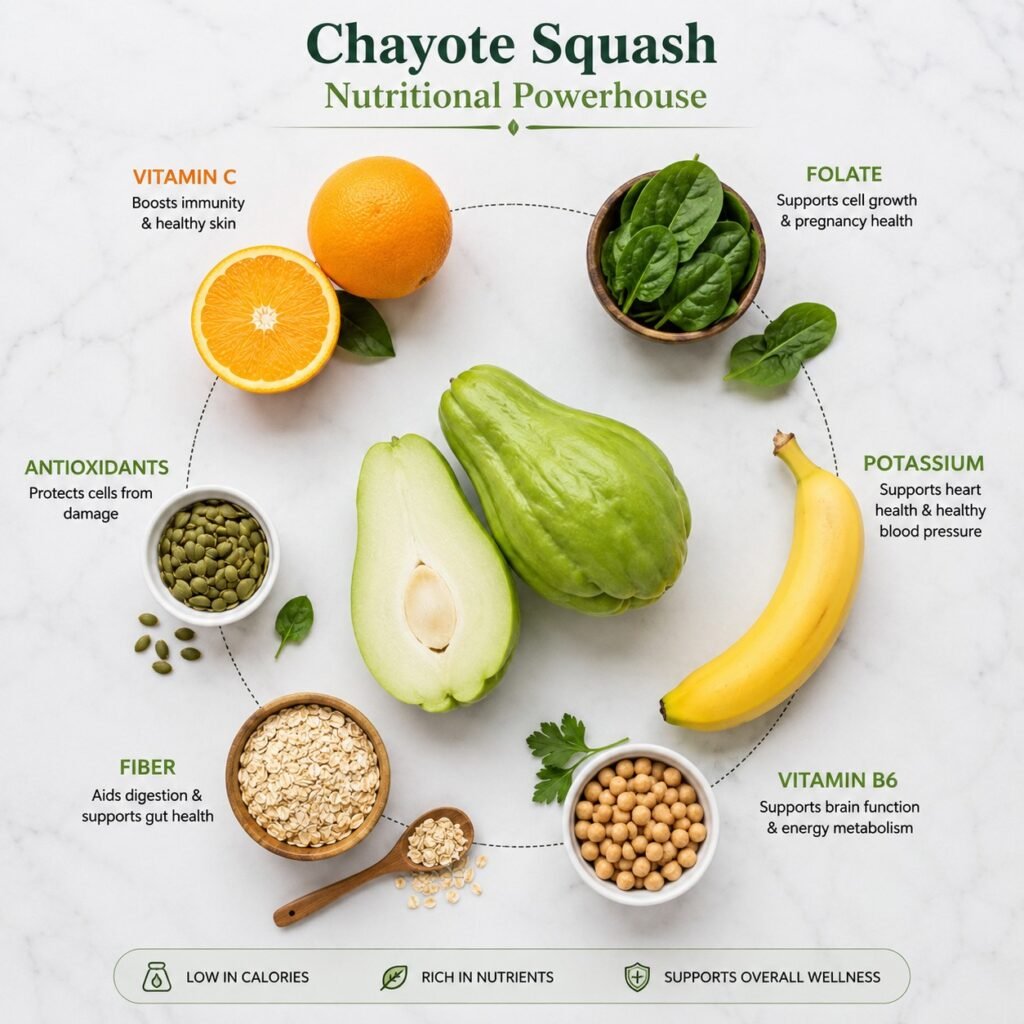
Notably, it is exceptionally low in calories and contains zero saturated fat or cholesterol, making it an ideal, hydrating component of a balanced, health-conscious diet.
Chayote Benefits
Today’s nutritional research is finally catching up to what traditional cultures have known all along. Here is a detailed look at how incorporating chayote into your lifestyle can support your long-term health.
1. Heart Health and Blood Pressure Regulation
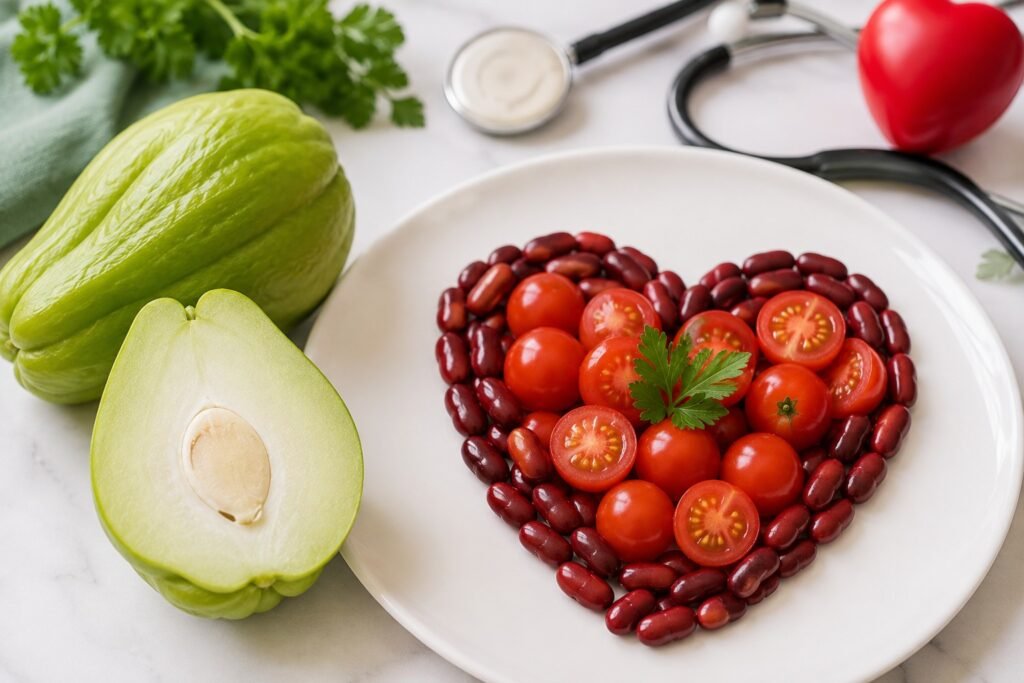
A diet rich in potassium and fiber is widely recognized for its cardiovascular benefits. Potassium acts as a vasodilator, helping to counteract the effects of dietary sodium and ease tension in blood vessel walls. Furthermore, the soluble fiber in chayote can assist in binding to excess cholesterol in the digestive tract, promoting its excretion.
Clinical evidence supports these benefits: A human intervention study published in Nutrients (MDPI, 2023) demonstrated that older adults with metabolic syndrome who consumed Sechium edule experienced significant reductions in both systolic and diastolic blood pressure. This antihypertensive effect is attributed to flavonoids like quercetin and coumaric acid, which modulate the renin-angiotensin system and promote endothelial vasodilation through calcium release regulation. Additionally, the study reported a significant increase in HDL cholesterol (“good” cholesterol) levels, further supporting cardiovascular health.
The Mayo Clinic consistently highlights the critical role of high-fiber, potassium-rich plant foods in maintaining optimal blood pressure and overall cardiovascular health.
2. Antioxidant Properties and Cellular Aging

As we focus on strategies to support healthy aging and longevity, combating oxidative stress is paramount. Chayote Squash contains beneficial plant compounds, including flavonoids like myricetin and quercetin, alongside a robust dose of vitamin C. These compounds neutralize free radicals that cause cellular damage. Research published in the MDPI Nutrients journal frequently highlights the role of Cucurbitaceae family plants in reducing oxidative damage, thereby supporting skin elasticity, cognitive function, and overall cellular longevity.
Research-Backed Mechanisms: Studies published in Nutrients (MDPI, 2023) reveal that quercetin and myricetin activate the Nrf2 transcription factor, which serves as the master regulator of the body’s antioxidant response. When activated, Nrf2 binds to DNA and triggers the expression of powerful endogenous antioxidant enzymes including superoxide dismutase (SOD), catalase (CAT), and glutathione peroxidase (GPx). Simultaneously, myricetin blocks the NFκB pathway, reducing inflammatory signaling.
Human Clinical Evidence: In the same MDPI study, participants consuming chayote showed:
- Marked increases in SOD and CAT enzyme activity
- Elevated Total Antioxidant Status (TAS)
- Significant decreases in oxidative stress markers (TOS and OSI)
This dual action—boosting the body’s own antioxidant defenses while reducing oxidative damage—supports skin elasticity, cognitive function, and overall cellular longevity. Research published in Food Chemistry (ScienceDirect, 2019) further confirms that chayote’s phenolic compounds protect cells against hydrogen peroxide-induced oxidative damage by reducing reactive oxygen species generation.
3. Gut Health and Metabolic Support
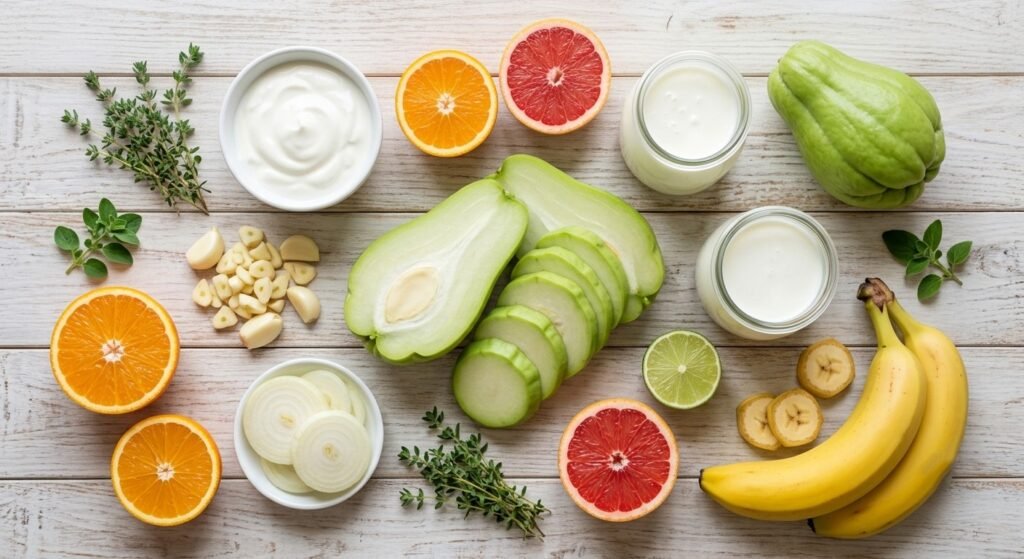
A thriving gut microbiome is the absolute foundation of holistic wellness. The combination of high water content and dietary fiber in chayote acts as a gentle, natural prebiotic. This promotes regular bowel movements and provides fuel for beneficial gut bacteria (like Bifidobacteria). A healthy gut is directly linked to improved metabolic function, stable blood sugar levels, and even enhanced mood regulation via the gut-brain axis.
Breakthrough Research on Gut-Liver Axis: Recent research published in PubMed (2024) has uncovered remarkable mechanisms by which chayote pectin (a soluble fiber component) supports metabolic health and gut integrity:
- Gut Microbiota Modulation: Chayote pectin administration significantly increased beneficial bacteria populations including Ruminococcaceae, Muribaculaceae, Alloprevotella, Rikenella, and Parabacteroides, while reducing the Firmicutes/Bacteroidetes ratio—a marker associated with metabolic health.
- Gut Barrier Enhancement: The intervention increased the number and area of goblet cells (which produce protective mucus) and significantly upregulated expression of Claudin-1 and Mucin-2, critical proteins for maintaining intestinal barrier integrity and preventing “leaky gut.”
- Blood Glucose Regulation: Through the gut-liver axis, chayote pectin:
- Increased GLP-1 secretion (a hormone that enhances insulin secretion and promotes satiety)
- Reduced insulin resistance (measured by HOMA-IR)
- Enhanced hepatic glycogen storage (liver glucose storage)
- Activated PI3K/AKT and AMPK signaling pathways, which improve insulin sensitivity
- Short-Chain Fatty Acid Production: The beneficial gut bacteria ferment chayote’s fiber into short-chain fatty acids (SCFAs), which activate the GPR43/AMPK pathway, further supporting metabolic health and glucose regulation.
Traditional Herbal Wisdom: Beyond the Fruit
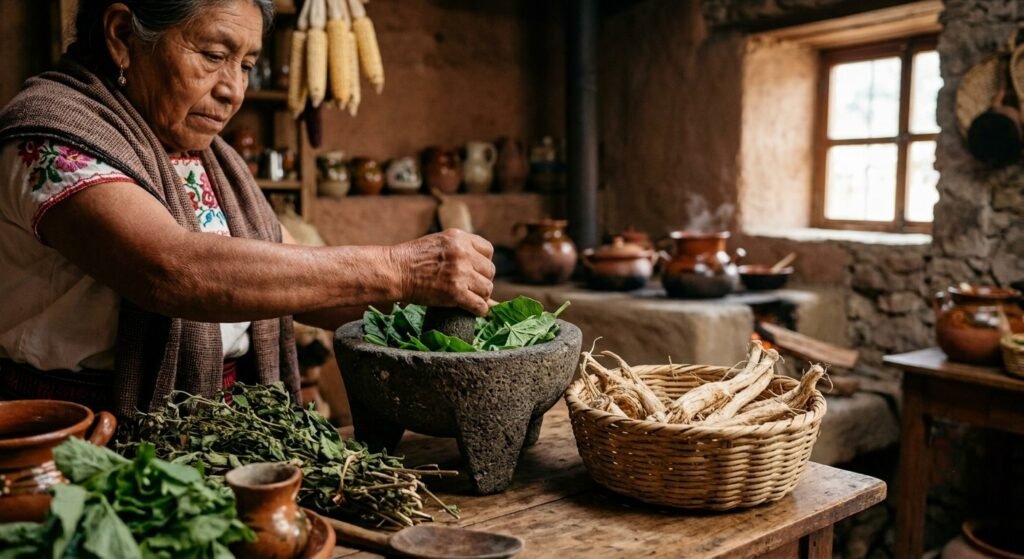
While modern science focuses heavily on the fruit, traditional Mesoamerican herbalism utilized the entire chayote plant. Indigenous healers historically brewed teas from chayote leaves and decoctions from its roots to support urinary tract health, act as a gentle diuretic, and soothe respiratory ailments.
Editorial Note: While traditional wisdom offers fascinating historical insights, modern clinical trials on chayote Squash leaves and roots in humans remain limited. Always consult a healthcare professional before using any plant parts for medicinal purposes, especially if you are pregnant, nursing, or taking prescription medications.
Chayote Side Effects and Safety Precautions
While chayote squash is widely recognized as safe (GRAS) and is a nutritious addition to most diets, it is important to be aware of a few minor side effects and handling precautions to ensure a safe and comfortable experience.
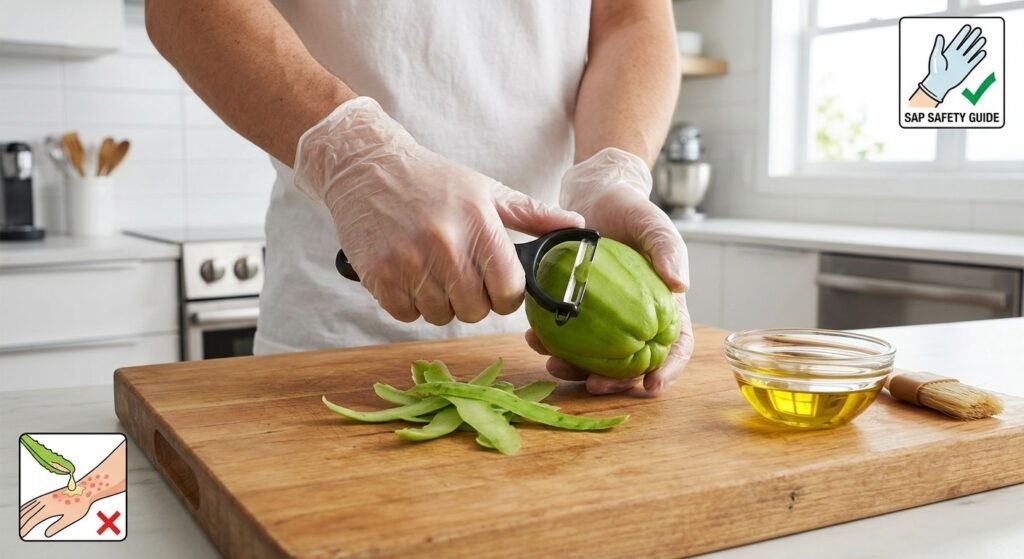
- Skin Irritation from the Sap (Contact Dermatitis)
The most common “side effect” associated with chayote is not from eating it, but from preparing it. The skin of a raw chayote Squash secretes a sticky, white sap when cut. For many people, this sap can cause a temporary tingling sensation, tightness, or mild contact dermatitis on the hands and fingers. The effect usually resembles a mild sunburn and can last for a few days as the skin peels.
- Pro Prevention Tip: Always wear disposable kitchen gloves when peeling or cutting raw chayote Squash. If you don’t have gloves, rub a small amount of cooking oil (like olive or coconut oil) over your hands before handling the squash. The oil creates a barrier that prevents the sap from bonding to your skin. If irritation occurs, washing with oil first (to break down the sap), followed by soap and water, is the most effective remedy.
- Mild Digestive Discomfort
Chayote is an excellent source of dietary fiber, which is fantastic for gut health. However, if you are not accustomed to a high-fiber diet, suddenly consuming large quantities of raw or cooked chayote may lead to temporary bloating, gas, or mild stomach cramps.
- Pro Prevention Tip: Introduce chayote into your diet gradually and ensure you are drinking plenty of water throughout the day to help the fiber move smoothly through your digestive tract.
- Rare Allergic Reactions
Although uncommon, individuals with known allergies to other plants in the Cucurbitaceae family (such as melons, cucumbers, zucchini, or pumpkins) may experience cross-reactivity. In very rare cases, this can manifest as Oral Allergy Syndrome (OAS), causing mild itching or tingling in the mouth or throat after eating raw chayote.
- Pro Prevention Tip: If you have a known gourd or melon allergy, consult your allergist before trying chayote. Cooking the vegetable thoroughly often breaks down the proteins that trigger OAS, making it safer to consume than in its raw form.
- Kidney Health Considerations
Chayote contains a moderate amount of potassium. For the vast majority of people, this is highly beneficial for heart health. However, individuals with advanced chronic kidney disease (CKD) who are on a strict potassium-restricted diet should monitor their portion sizes and consult their nephrologist or a registered dietitian before adding new potassium-containing vegetables to their meal plan.
The Bottom Line
The chayote Squash is far more than a culinary novelty; it is a scientifically supported, nutrient-dense ally for gut health, skin vitality, and sustainable living. By blending traditional botanical wisdom with modern nutritional science, we can appreciate this remarkable plant in its entirety and make informed choices for our holistic wellness.
Ready to bring this powerhouse into your kitchen or garden?
Cooking: Discover how to prepare it perfectly with our dedicated, step-by-step culinary guide: [Delicious Chayote Squash Recipes: Easy, Healthy Cooking Guide]. (Note: We keep recipe content strictly separate to ensure you get the detailed, schema-rich culinary instructions you need.)
Growing: Want to cultivate your own sustainable food source? Learn how with our [Thriving Chayote Garden: Essential, Sustainable Growing Tips].
If you love discovering wholesome, earth-grown vegetables like chayote, you might also enjoy artichokes — another nutritional powerhouse celebrated for their liver-supporting properties and culinary versatility. Discover the healing power of artichokes and how to use them in your kitchen → The Artichoke: A Prickly Treasure of the Culinary World
FAQ
Is chayote vegetable or fruit?
Botanically, chayote is a fruit because it develops from the flower of the plant and contains a seed. However, in culinary applications, it is treated as a chayote vegetable due to its mild, savory flavor profile and firm texture, much like tomatoes or bell peppers.
What are the health benefits of chayote?
A. Chayote is packed with vitamins, minerals, and antioxidants. It’s full of fiber, vitamin C, and other nutrients. Adding it to your diet is great for your health.
Can you eat chayote Squash raw?
Yes, absolutely. Raw chayote Squash has a crisp, refreshing texture similar to jicama or a firm apple. It can be thinly sliced or julienned and added to salads, slaws, or ceviche. Just ensure it is thoroughly washed and peeled, as the skin can be tough and the sap may cause mild skin irritation in sensitive individuals.
What does chayote taste like?
Chayote has a very mild, slightly sweet, and refreshing flavor. Many describe its taste as a cross between a cucumber, a green apple, and a mild zucchini. Its subtle flavor makes it incredibly versatile, as it readily absorbs the spices, herbs, and broths it is cooked with.
Can chayote help with weight loss?
Yes, chayote is an excellent food for weight management. It is very low in calories (only ~38 calories per cup) but high in water and dietary fiber. This combination promotes satiety (feeling full), which can naturally reduce overall calorie intake without leaving you feeling deprived.
Are there any side effects or risks to eating chayote?
Chayote is generally recognized as safe (GRAS) for most people. The primary minor risk is handling the raw fruit: the sticky sap on the skin can cause temporary tingling or tightness on the hands. Wearing gloves while peeling or rubbing your hands with a little oil before peeling can easily prevent this.
Medical Disclaimer
The content on iHealthIntrends.com is for educational and informational purposes only and is not intended as medical advice, diagnosis, or treatment. Always consult with a qualified professional for specific dietary or medical advice.
References:
- Chayote (Sechium edule): A review of nutritional composition, bioactivities and potential applications – ScienceDirect
- Chayote, fruit, raw – Nutrients – SR Legacy | USDA FoodData Central
- 10 ways to manage high blood pressure without medicine – Mayo Clinic
- The Supplementation of Sechium edule var. nigrum spinosum (Chayote) Promotes Nrf2-Mediated Antioxidant Protection in Older Adults with Metabolic Syndrome
- Chayote pectin regulates blood glucose through the gut-liver axis: Gut microbes/SCFAs/FoxO1 signaling pathways – PubMed