Have you ever tasted something with a gentle licorice-like flavor and wondered what gives it that distinctive sweetness? There is a good chance you have come across anise.
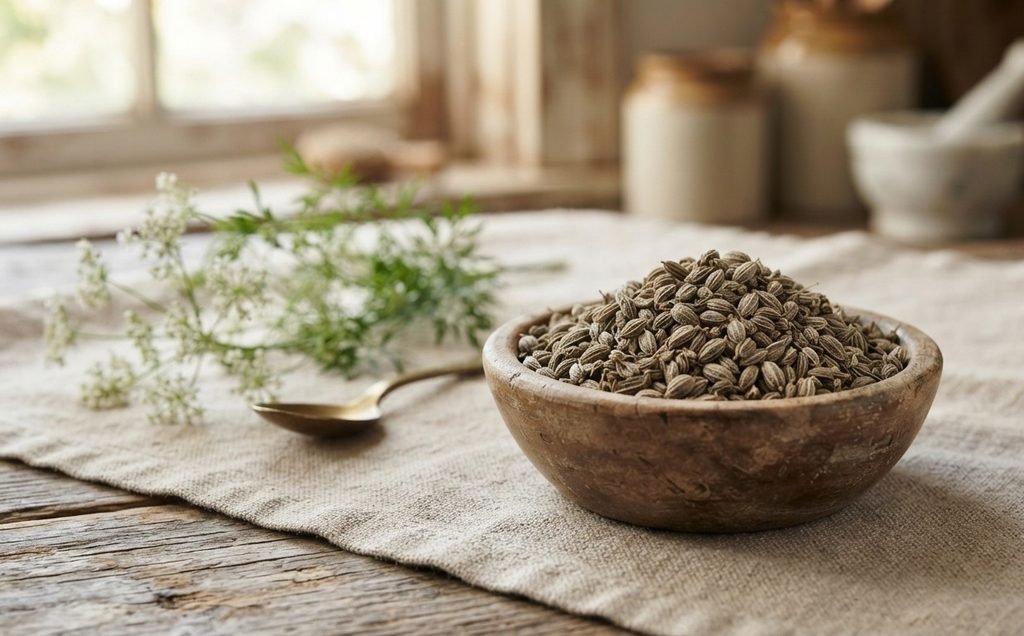
Anise is an aromatic spice used in baking, traditional cooking, and some herbal preparations. Its naturally sweet fragrance makes it popular in cookies, breads, teas, and spice blends across different cultures.
But anise is more than just a flavoring ingredient. It has an interesting botanical history, contains naturally occurring aromatic compounds, and has been studied for several traditional uses.
So, what exactly is anise? Is it the same as star anise? What do anise seeds look like, and how can you use them in everyday cooking?
Let’s explore this familiar yet sometimes misunderstood spice, including what scientific research actually tells us about its potential benefits.
What Is Anise?
Anise, scientifically known as Pimpinella anisum, is an annual flowering herb belonging to the Apiaceae family. This is the same botanical family that includes carrots, celery, parsley, and coriander.

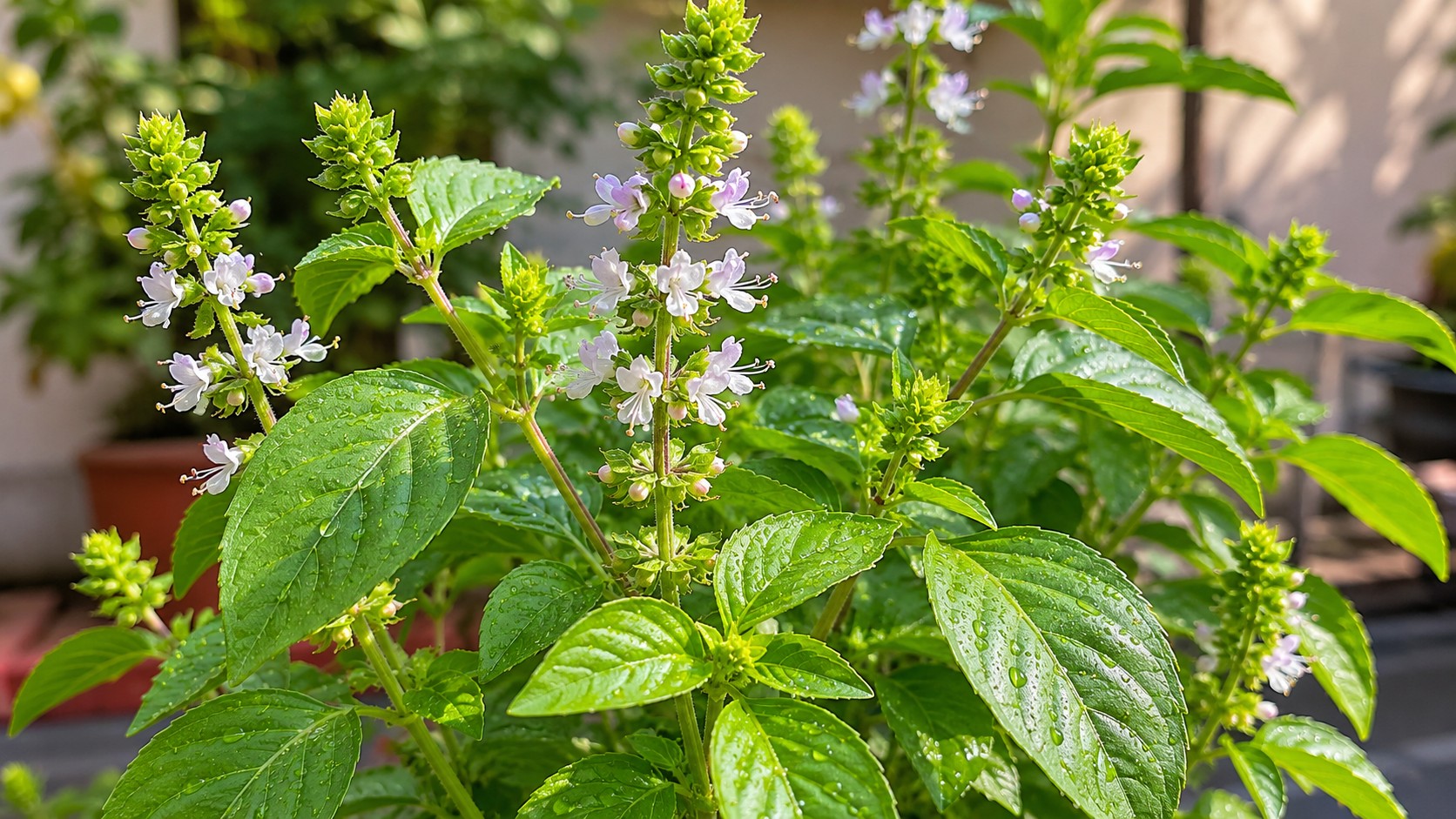
The plant produces small white flowers arranged in clusters, followed by small, oval-shaped fruits commonly called anise seeds or aniseed.
Anise is particularly valued for its sweet, aromatic flavor, which resembles black licorice. Its distinctive fragrance comes largely from a naturally occurring compound called anethole.
According to the Royal Botanic Gardens, Kew, Pimpinella anisum is an accepted botanical species native to parts of the eastern Mediterranean region and western Asia.
Read the botanical profile at Kew’s Plants of the World Online.
Anise Definition and Botanical Classification
In simple terms, anise is a fragrant culinary spice obtained from the dried fruits of the anise plant.
Here is a quick botanical overview:
| Characteristic | Description |
|---|---|
| Common name | Anise or aniseed |
| Scientific name | Pimpinella anisum |
| Plant family | Apiaceae |
| Plant type | Annual flowering herb |
| Commonly used part | Dried fruits, commonly called seeds |
| Flower color | White |
| Flavor | Sweet, aromatic, licorice-like |
| Main aromatic compound | Anethole |
| Common applications | Baking, cooking, beverages, flavoring |
One interesting detail is that what we commonly call anise seeds are botanically fruits. They are small, dry fruits containing the plant’s seeds.
This distinction is useful when reading botanical and scientific descriptions.
What Does Anise Look Like?
Anise is a relatively small herbaceous plant with delicate green leaves, slender stems, and clusters of tiny white flowers.
As the flowers mature, they develop small, oval-shaped fruits that turn greenish-gray to brownish-gray as they dry.
The dried anise fruits are the familiar spice sold in grocery stores and spice markets.

Identifying Anise Seeds
You can recognize whole anise by several characteristics:
- Shape: Small, oval-shaped, slightly curved fruits.
- Color: Usually greenish-gray or grayish-brown.
- Texture: Dry, slightly ridged, and firm.
- Aroma: Sweet, warm, and similar to licorice.
- Taste: Mildly sweet with a distinctive aromatic finish.
When crushed, anise releases a stronger fragrance because its aromatic compounds become more noticeable.
Where Does Anise Come From?
Anise has a long history of cultivation around the Mediterranean and western Asian regions.
Today, it is grown in several parts of the world, including Mediterranean countries, parts of Europe, North Africa, and Asia.
The plant has also been introduced into other regions, including parts of North America.
Anise became popular in traditional food cultures because its sweet aroma works well in both savory and sweet preparations.
Different cuisines use it in:
- Traditional breads and biscuits
- Cookies and cakes
- Herbal-style beverages
- Spice blends
- Confectionery
- Regional liquor flavorings
Its versatility explains why anise remains a familiar ingredient in many traditional kitchens.
What Does Anise Taste Like?
Anise has a sweet, aromatic flavor that many people associate with black licorice.
However, its taste is not exactly the same as candy licorice.
The flavor is usually:
- Sweet and mildly warm
- Aromatic and slightly spicy
- Fresh with a distinctive licorice-like note
- More noticeable when the fruits are crushed or heated
The compound anethole contributes significantly to this recognizable aroma.
Anise is especially useful in recipes where a little sweetness and fragrance can balance stronger ingredients.
For example, it pairs well with cinnamon, cloves, citrus, honey, and certain warming spices.
If you enjoy exploring aromatic kitchen ingredients, you may also like our guide to coriander and its culinary uses.
Anise vs. Star Anise: Are They the Same?
No. Anise and star anise are two different plants.

This is one of the most common sources of confusion when people shop for spices.
Although both have a sweet, licorice-like flavor, they belong to different botanical families.
| Feature | Anise | Star Anise |
|---|---|---|
| Scientific name | Pimpinella anisum | Illicium verum |
| Plant family | Apiaceae | Schisandraceae |
| Plant type | Annual herb | Evergreen tree |
| Commonly used part | Dried fruits | Star-shaped fruits |
| Appearance | Small oval-shaped fruits | Distinctive star-shaped pods |
| Flavor | Sweet and delicate | Sweet and more pronounced |
| Common uses | Cookies, breads, beverages | Broths, sauces, spice blends |
Both contain anethole, which helps explain their similar aromatic character.
However, they should not be confused when identifying plants or selecting ingredients.
The Royal Botanic Gardens, Kew, specifically distinguishes Illicium verum from Pimpinella anisum in its botanical information.
Sources:
We will explore their differences in greater detail in our upcoming star anise guide.
What Are Anise Seeds Used For?
Anise is primarily appreciated as a culinary ingredient. Its sweet fragrance makes it suitable for many recipes, from traditional baked goods to homemade beverages.
Here are some popular ways to use it.
- Baking Cookies and Cakes
Anise is a popular flavoring in several traditional baking recipes.
You can find it in:
- Italian-style anise cookies
- European sweet breads
- biscuits
- cakes
- Homemade crackers
A small amount can add a distinctive aroma without overpowering the other ingredients.
- Flavoring Breads
Some traditional bread recipes include whole or ground anise.
The spice works particularly well with lightly sweetened doughs and breads containing honey, citrus zest, or warm spices.
- Adding Flavor to Beverages
Anise is used in different traditional beverages because of its pleasant aroma.
It may be added to warm water or used in traditional anise tea preparations.
Its sweet fragrance can make a simple beverage more interesting without requiring a strong sweetener.
- Using Anise in Savory Cooking
Although people often associate anise with desserts, it can also complement savory dishes.
Try using a small quantity in:
- Vegetable soups
- marinades
- spice mixes
- Slow-cooked dishes
- Certain regional meat preparations
The key is moderation. Anise has a noticeable flavor, so too much can dominate a recipe.
- Combining Anise With Other Spices
Anise pairs nicely with several aromatic ingredients.
| Spice | Flavor combination |
|---|---|
| Cinnamon | Sweet and warming |
| Cloves | Rich and aromatic |
| Fennel | Sweet and herbal |
| Ginger | Warm and slightly spicy |
| Cardamom | Fragrant and complex |
| Orange zest | Sweet and citrusy |
You can experiment with these combinations when preparing homemade spice blends.
Anise Benefits: What Does Scientific Research Say?
Anise has been used traditionally in different cultures, particularly in food preparations and herbal remedies.
However, it is important to distinguish traditional use from scientifically established health benefits.
These seeds contains several naturally occurring compounds, including anethole and various phenolic compounds. Researchers have investigated some of these substances for their biological activities.
Here are some areas of interest.
2. Contains Naturally Occurring Antioxidant Compounds
These miracle seeds contain aromatic and phenolic compounds that have been investigated for antioxidant activity.
Antioxidants are substances that can help neutralize reactive molecules under certain conditions.
Laboratory studies have explored the antioxidant properties of anise extracts and their individual constituents.
However, laboratory findings do not automatically establish that eating anise provides a measurable health benefit in humans.
2. Traditionally Used for Digestive Discomfort
Anise has a long history of traditional use for mild digestive complaints, including bloating and gas.
The European Medicines Agency (EMA) has evaluated aniseed preparations and recognizes certain traditional uses for mild gastrointestinal complaints.
Importantly, the EMA’s assessment is based on traditional use rather than strong clinical evidence proving effectiveness.
Read the European Medicines Agency’s aniseed monograph.
3. Studied for Its Aromatic Plant Compounds
When we look at the botanical makeup of anise, the true star of the show is a powerful natural compound known as anethole.
Researchers have studied anethole and other anise compounds in laboratory settings to understand their biological activities.
These investigations may help scientists understand the plant’s chemistry, but they should not be interpreted as proof that anise prevents or treats human diseases.
4. Investigated for Traditional Respiratory Uses
Anise has also been traditionally used in some preparations associated with coughs and mild respiratory complaints.
The EMA includes traditional respiratory uses in its assessment of aniseed preparations.
However, traditional recognition is not the same as evidence from large, well-designed clinical trials.
Anise should not replace medical evaluation or prescribed treatment for respiratory symptoms.
5. Contains Compounds of Scientific Interest
Anise contains a range of naturally occurring substances, including:
- Anethole
- Flavonoids
- Phenolic compounds
- Other volatile aromatic constituents
These substances are of interest to researchers studying aromatic plants and their potential biological properties.
The National Library of Medicine’s LactMed database also discusses anise’s constituents and the limitations of clinical research on some traditional uses.
Explore the PubMed-indexed anise research.
A note about the evidence: Anise is a flavorful culinary spice, but there is not enough strong human clinical evidence to describe it as a proven treatment for digestive problems, infections, inflammation, or other medical conditions.
Anise Nutrition: What Should You Know?
Anise contains naturally occurring plant compounds and small amounts of nutrients.
Its nutritional contribution depends on the quantity consumed and the form used.
Whole anise fruits, ground anise, and concentrated extracts are not nutritionally interchangeable.
For this reason, it is better to distinguish between anise’s culinary role and its concentrated herbal preparations.
Anise is generally used in small amounts for flavor rather than eaten as a major source of calories, protein, or vitamins.
For reliable nutrient information, consult the USDA FoodData Central database and search for the exact anise product or food entry you are using.
How to Store Anise Seeds
Proper storage helps preserve the aroma and flavor of anise.
Because its fragrance comes from volatile aromatic compounds, exposure to air, heat, moisture, and light can gradually reduce its quality.
Follow these simple tips:
- Store whole anise in a clean, airtight container.
- Keep the anise container in a dry place
- Avoid direct sunlight and excessive heat.
- Keep the spice away from moisture.
- Buy smaller quantities if you use anise occasionally.
- Grind only the amount needed for a recipe.
Whole anise generally retains its aroma better than ground anise because its aromatic compounds remain protected until the fruits are crushed.
If you enjoy learning how different spices are stored and used, explore our complete coriander guide.
Anise Safety: Possible Side Effects and Precautions
Anise is commonly used as a food flavoring, but concentrated herbal preparations require more care.
Some people may experience allergic reactions to aniseed. The European Medicines Agency notes that allergic reactions affecting the skin or respiratory system may occur.
A few precautions are worth remembering:
- Avoid anise if you have a known allergy to it.
- Do not assume concentrated anise oil is equivalent to culinary anise.
- Do not use essential oils without professional guidance of your doctor.
- Safety during pregnancy and breastfeeding has not been sufficiently established for medicinal anise preparations.
- Children should not be given concentrated herbal preparations without advice from an appropriate healthcare professional.
The EMA’s assessment specifically states that safety during pregnancy and lactation has not been established and does not recommend medicinal use in these circumstances due to insufficient data.
For further details, consult the EMA’s official herbal monograph.
FAQ’s
What is anise?
Anise is an aromatic annual herb scientifically known as Pimpinella anisum. Its dried fruits, commonly called anise seeds, are used as a spice in baking, cooking, and traditional beverages.
Is anise the same as star anise?
No. Anise and star anise come from different plants. Anise is Pimpinella anisum, while star anise is Illicium verum. Both have a similar aromatic flavor, but their botanical identities are different.
What are anise seeds used for?
Anise seeds are used to flavor cookies, cakes, breads, spice blends, soups, and traditional beverages. They can be used whole or ground.
Is anise good for digestion?
Anise has traditionally been used for mild digestive complaints such as bloating and gas. However, strong clinical evidence supporting these uses remains limited.
Can you make tea with anise seeds?
Anise is used in traditional herbal-style beverages. However, medicinal preparations and concentrated extracts should not be treated like ordinary food ingredients. Seek professional advice if you are considering regular medicinal use.
What is the scientific name of anise?
The scientific name of anise is Pimpinella anisum L. It belongs to the Apiaceae family.
Is anise a seed or a fruit?
The part commonly sold as anise seeds is botanically classified as a dry fruit. The everyday culinary term is anise seed or aniseed.
What is the difference between anise and fennel?
Anise and fennel are different plants, although both have sweet, aromatic flavors. Anise is Pimpinella anisum, while fennel is Foeniculum vulgare.
Can anise cause allergies?
Yes. Allergic reactions to aniseed have been reported. Anyone with a known sensitivity should avoid it and seek medical advice if symptoms occur.
Final Thoughts:
Anise may be a small ingredient, but it has a distinctive place in traditional cooking.
From aromatic cookies and breads to flavorful spice blends, its sweet, licorice-like character makes it a versatile addition to the kitchen.
It also offers an interesting botanical story, particularly when comparing it with star anise and other aromatic plants.
Although researchers continue to investigate its naturally occurring compounds, it is important to keep traditional uses separate from proven medical benefits.
The best way to appreciate anise is to understand what it is, use it thoughtfully in cooking, and rely on credible scientific information when exploring its potential wellness applications.
At iHealth Trends, we believe that understanding the science behind everyday ingredients makes natural living more informed, practical, and enjoyable.