Last Updated on 24 November 2026 by Ahsan Khan
When it comes to superfoods, we often look to exotic berries or leafy greens. But have you noticed the small, orange jewels popping up in grocery stores during the winter months? Meet the kumquat.
Despite its tiny size, the kumquat packs a powerful nutritional punch. Rich in Vitamin C, fiber, and antioxidants, this unique citrus fruit is becoming a staple for health enthusiasts looking to boost immunity and improve digestion naturally.
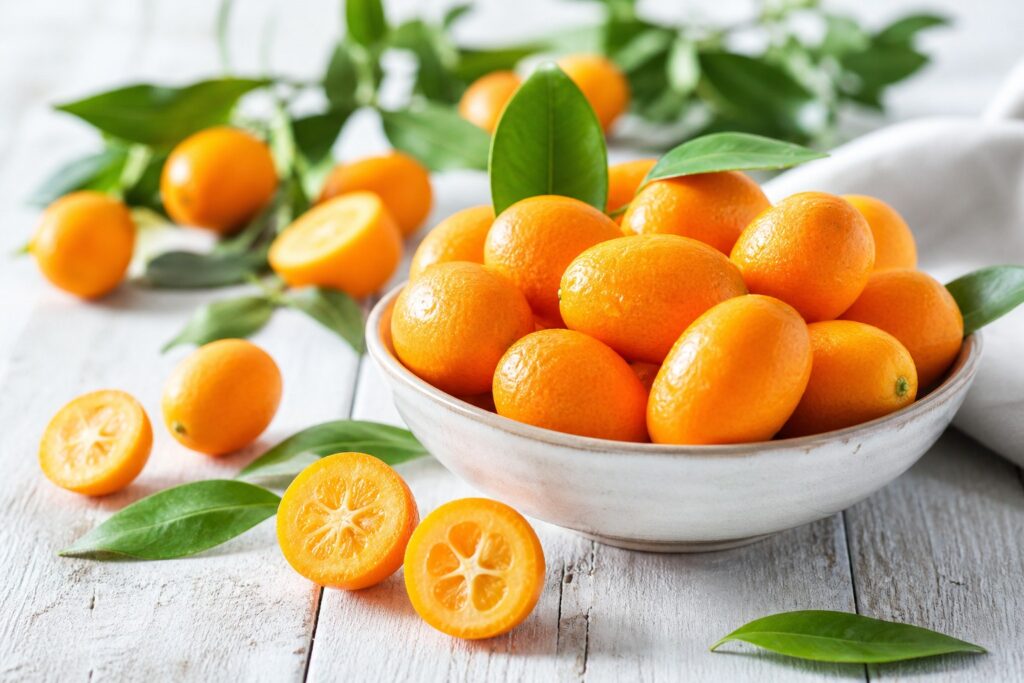
At iHealth Trends, we believe in eating wellness. In this ultimate guide, we’ll cover everything you need to know about the kumquat—from its surprising health benefits to exactly how to eat it for maximum nutrient absorption.
What is a Kumquat?
Before we dive into the health trends, let’s answer the basic question: What is a kumquat?
Botanically known as Fortunella, the kumquat is a small, oval-shaped citrus fruit. Unlike oranges or lemons, the kumquat is unique because its skin is sweet, while its flesh is sour. This means the entire fruit is edible, making it a convenient, no-waste snack.
While kumquats trace their roots to ancient South Asian orchards, today these golden fruits flourish in diverse climates—from sun-drenched Mediterranean groves to the subtropical gardens of Florida and California. they belong to the Rutaceae family, making them cousins to the orange, lemon, and lime, but with a distinct nutritional profile that sets them apart.
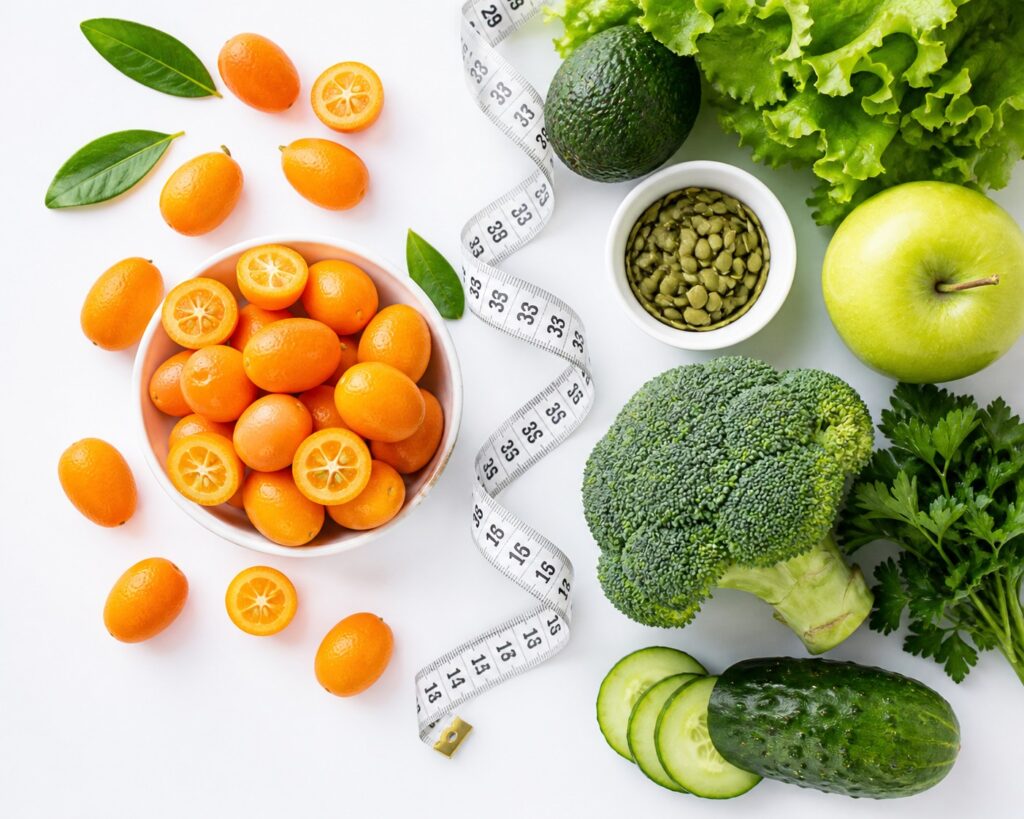
Kumquat at a Glance
| Feature | Description |
| Common name | Kumquat |
| Botanical classification | Fortunella or Citrus, depending on classification |
| Family | Rutaceae |
| Origin | Southeast China |
| Fruit type | Small citrus fruit |
| Common varieties | Nagami and Meiwa |
| Edible parts | Peel and flesh |
| Flavor | Sweet peel with tart flesh |
Source: University of Florida IFAS Extension – Fortunella spp., Kumquat.
Quick Fact: The name “kumquat” comes from the Cantonese words gam (gold) and gwat (mandarin orange), literally translating to “Golden Orange.”
Kumquat Nutrition Facts
Why are health trends shifting toward this tiny fruit? It all comes down to the macros and micros. Eating just a few kumquats can provide a significant portion of your daily recommended vitamins, especially since the nutrient-dense peel is consumed along with the flesh.
Here is the approximate nutritional breakdown for 100 grams of raw kumquats (about 5–6 fruits), according to the USDA FoodData Central:
| Nutrient | Per 100 g | Per Fruit (19 g) | % Daily Value* |
|---|---|---|---|
| Calories | 71 kcal | 13 kcal | — |
| Carbohydrates | 15.9 g | 3.0 g | 6% |
| Dietary Fiber | 6.5 g | 1.2 g | 23% |
| Total Sugars | 9.36 g | 1.8 g | — |
| Protein | 1.88 g | 0.4 g | 4% |
| Total Fat | 0.86 g | 0.2 g | 1% |
| Vitamin C | 43.9 mg | 8.3 mg | 49% |
| Potassium | 186 mg | 35.3 mg | 4% |
| Calcium | 62 mg | 11.8 mg | 5% |
| Magnesium | 20 mg | 3.8 mg | 5% |
| Iron | 0.86 mg | 0.16 mg | 5% |
| Sodium | 10 mg | 1.9 mg | 0% |
| Vitamin A (RAE) | 15 µg | 2.9 µg | 2% |
🍊 Why the peel matters: Kumquats are commonly eaten whole, including their edible peel. The nutrition values above describe the raw whole fruit entry in the USDA database.
*% Daily Values (DV) are approximate and calculated using current FDA Daily Values for adults and children aged 4 years and older. A dash (—) means no established Daily Value is shown.
Source: U.S. Department of Agriculture, Agricultural Research Service. FoodData Central, “Kumquat, raw” (FDC ID: 2709167).
Potential Health Benefits of Kumquats
Kumquats provide a variety of essential nutrients and naturally occurring plant compounds that contribute to a well-rounded diet. However, it is important to distinguish established nutrient functions from early laboratory research.
Here are some potential benefits worth understanding.
1. Provides Vitamin C for Normal Immune Function
Vitamin C is an essential nutrient that contributes to normal immune-system function. It also helps protect cells from oxidative damage and supports collagen formation.
Kumquats provide approximately 43.9 mg of vitamin C per 100 g of raw fruit, according to USDA nutrient data.
Including vitamin-C-containing fruits such as kumquats in a varied diet can help contribute to your daily vitamin C intake.
However, eating kumquats has not been shown to prevent infections or reliably shorten the duration of a common cold.
2. Supports Digestive Health Through Dietary Fiber
One notable nutritional feature of kumquats is their fiber content.
USDA data lists approximately 6.5 g of dietary fiber per 100 g of raw kumquats. Dietary fiber contributes to normal bowel function and can help support digestive regularity.
Fiber also contributes to fullness, which can be useful when building balanced meals and snacks.
Because kumquats are commonly eaten whole, their peel and flesh contribute to the overall food composition.
If you are not used to eating fiber-rich foods, increase your fiber intake gradually and drink enough water.
kumquats are excellent for gut health—similar to the dragon fruit benefits for digestive regularity
3. Contains Flavonoids and Other Antioxidant Compounds
Kumquats contain naturally occurring plant compounds called phenolics, including flavonoids.
These compounds have attracted scientific interest because some show antioxidant activity in laboratory studies.
A 2007 study published in Food Chemistry examined bioactive compounds in eight citrus fruits grown in Taiwan, including kumquat. The researchers identified several phenolic compounds and reported that kumquat contained a notable amount of the flavone diosmin.
A 2017 review in the Journal of Food and Drug Analysis also examined the phenolic composition and reported biological activities of kumquat and calamondin.
These findings help explain why researchers are interested in kumquat’s plant compounds. However, laboratory antioxidant activity does not automatically mean that eating kumquats prevents chronic diseases in humans.
4. Contributes to Collagen Formation
Vitamin C plays an important role in collagen production.
Collagen is a structural protein found in skin, bones, cartilage, blood vessels, and other connective tissues.
Because kumquats contain vitamin C, they can contribute to the dietary intake needed for normal collagen formation.
This does not mean that kumquats independently reverse skin aging or remove wrinkles. Their contribution is part of the wider role of vitamin C in a balanced diet.
5. May Help You Build a More Satisfying Snack
Kumquats contain dietary fiber and have a relatively modest calorie content compared with many sweetened snacks.
Fiber contributes to fullness, while whole fruit provides water and a range of nutrients.
Replacing some highly processed, low-fiber snacks with whole fruit can be one practical part of a balanced eating pattern.
However, no single fruit causes weight loss. Overall dietary habits, activity, sleep, and other factors matter much more.
6. Provides Potassium for Normal Muscle and Nerve Function
Potassium plays a key role in keeping the body’s fluid levels balanced while helping muscles work properly and nerves send signals.
Raw kumquats provide approximately 186 mg of potassium per 100 g, according to USDA nutrient data.
They can contribute to overall potassium intake, although they should not be treated as a special remedy for high blood pressure or heart disease.
7. Offers Plant Compounds Worth Further Research
Kumquats contain several types of phenolic compounds, including flavonoids that researchers continue to investigate.
The 2017 review by Lou and Ho discussed reported antioxidant, antimicrobial, antitumor, and metabolic-related activities of compounds found in small citrus fruits.
Much of the evidence discussed in this area comes from laboratory experiments or other early-stage research.
More human studies are needed before researchers can determine whether eating ordinary servings of kumquats produces specific medical benefits.
What Does Scientific Research Say About Kumquat?
Research on kumquat has examined its nutrient composition, phenolic compounds, and potential biological activities.
Two useful publications are:
1.Wang et al. (2007), Food Chemistry
The study, “Quantitation of bioactive compounds in citrus fruits cultivated in Taiwan,” measured bioactive compounds in eight citrus fruits, including kumquat. It identified diosmin as a notable flavone in the kumquat sample.
Lou and Ho (2017), Journal of Food and Drug Analysis
This review, “Phenolic compounds and biological activities of small-size citrus: Kumquat and calamondin,” summarized research on the phenolic compounds and reported biological activities of these fruits.
These publications are useful for understanding the chemistry of kumquats. They do not establish that kumquats treat or prevent diseases in people.
The distinction matters: a compound showing activity in a laboratory is not the same as a proven health effect from eating the fruit.
Popular Kumquat Varieties
Nagami Kumquat
Several kumquat varieties are grown around the world, but Nagami and Meiwa are among the best-known. Nagami Kumquat
Nagami kumquats are generally oval-shaped and have a more noticeable tart flavor. Their sweet outer peel contrasts with the sour inner flesh.
They are commonly used in preserves, marmalades, sauces, and other recipes.
Meiwa Kumquat
Meiwa kumquats are usually rounder and tend to taste sweeter than Nagami varieties.
Their flavor makes them popular for fresh eating, although taste can vary depending on ripeness and growing conditions.
Nagami vs. Meiwa Kumquat
| Feature | Nagami | Meiwa |
|---|---|---|
| Shape | Oval | Round |
| Flavor | More tart | Generally sweeter |
| Flesh | Tart | Milder |
| Common uses | Cooking and preserves | Fresh eating and desserts |
Both varieties belong to the kumquat group, but their flavor and appearance can differ.
Can You Eat Kumquat Peel?
Yes. Kumquat peel is commonly eaten along with the flesh.
This is one of the fruit’s most distinctive characteristics. The peel is usually sweeter, while the inner flesh provides a more tart taste.
Kumquats are also used whole or sliced in cooking, preserves, salads, and drinks.
For a detailed explanation of washing, preparing, tasting, and enjoying the fruit, read our separate guide: [How to Eat a Kumquat].
kumquat Side Effects and Precautions
Kumquats are commonly eaten as food, but a few practical precautions are worth considering.
- Citrus allergy: People with a known citrus allergy should avoid kumquats unless a qualified healthcare professional has advised otherwise.
- Acid sensitivity: Their tart flesh may bother people who experience acid reflux or mouth irritation with acidic foods. Individual tolerance varies.
- Digestive discomfort: Eating a large amount of fiber-rich fruit at once may cause bloating or digestive discomfort, particularly if your usual fiber intake is low.
- Food hygiene: Wash fresh kumquats under clean running water before eating them. This helps wash away dirt, along with any residue left on the surface. Washing does not guarantee removal of all pesticide residues.
There is no established medical serving recommendation specifically for kumquats. Enjoy them as one part of a varied diet rather than treating them as a supplement or medicine.
How to Choose and Store Kumquats
When buying fresh kumquats, look for fruits that feel firm and have a relatively even orange color.
Avoid fruit with visible mold, leaking areas, or extensive soft spots.
Fresh kumquats can be kept at room temperature for a short period, but refrigeration generally helps them remain fresh longer. Store them in a clean container in the refrigerator and check them regularly for spoilage.
Storage life depends on ripeness, freshness at purchase, temperature, and handling.
For detailed preparation and serving ideas, see our guide to [How to Eat a Kumquat].
How to Eat Kumquat
One of the most common questions we get is: Do you peel a kumquat?
The short answer is no. Unlike other citrus fruits, the skin of the kumquat is thin, sweet, and nutrient-dense. Peeling it would remove most of the fiber and essential oils.
Step-by-Step Guide:
Wash Thoroughly: Since you eat the skin, rinse them under cold water to remove any wax or pesticides.
- Roll It: Gently roll the fruit between your fingers to soften the juices inside.
- Pop it Whole: You can eat the whole fruit skin and all.
- Watch the Seeds: The seeds are edible but bitter. Most people prefer to spit them out or slice the fruit to remove them.
What Does a Kumquat Taste Like?
If you’ve never tried one, the flavor profile can be surprising.
- The Skin: Sweet and slightly zesty, similar to a sweet orange peel.
- The Pulp: Tart and sour, similar to a lemon or underripe orange.
When eaten together, the combination creates a balanced sweet-and-sour explosion. This makes them perfect for balancing rich foods or adding a zing to salads.
Kumquat Season: When to Buy and Store
To get the best flavor and nutritional value, you need to buy them in season.
- Season: Kumquats are typically in season from November to March.
- Selection: Look for firm, bright orange fruits. Avoid any with green spots or soft patches.
- Storage: They can be kept at room temperature for a few days or stored in the refrigerator crisper drawer for up to two weeks.
Easy Ways to Add Kumquats to Your Diet
Ready to start eating them? Here are a few trending ways to enjoy kumquats:

- Raw Snack: Wash and eat 3-4 as a mid-day energy booster.
- Salad Topper: Slice thinly and add to spinach or arugula salads.
- Kumquat Tea: Steep sliced kumquats in hot water with honey for a soothing immunity drink.
Conclusion
The kumquat is more than just a decorative fruit; it’s a nutrient-dense superfood that deserves a spot in your wellness routine. Whether you’re looking to boost your Vitamin C intake, improve digestion, or simply try a new healthy snack, this tiny fruit delivers big results. If you’re looking for another exotic, creamy tropical fruit rich in Vitamin C, check out our ultimate guide to Sugar Apple (Annona Squamosa).
Stay tuned to iHealth Trends for more deep dives into seasonal superfoods. Next, we’ll be exploring specific kumquat recipes to help you cook with this golden fruit!
FAQ’s
Are kumquat seeds poisonous?
No, kumquat seeds are not poisonous. However, they are bitter and may be hardto digest, so most people choose to remove them.
Can you eat kumquat skin?
Yes! The skin is the sweetest part of the fruit and contains most of the fiber and essential oils. It is highly recommended to eat the skin.
Is kumquat good for weight loss?
Yes. Kumquats are low in calories and high in fiber, which helps promote satiety and reduce overall calorie intake.
Who should avoid kumquats?
People with citrus allergies or those prone to acid reflux should consume kumquats in moderation due to their acidity.
Reference:
- Quantitation of bioactive compounds in citrus fruits cultivated in Taiwan – ScienceDirect
- Phenolic compounds and biological activities of small-size citrus: Kumquat and calamondin – PubMed
- U.S. Department of Agriculture, Agricultural Research Service. FoodData Central: Kumquat, raw. FDC ID 2709167. USDA FoodData Central.
- Wang YC, Chuang YC, Ku YH. (2007). Quantitation of bioactive compounds in citrus fruits cultivated in Taiwan. Food Chemistry, 102(4), 1163–1171. https://doi.org/10.1016/j.foodchem.2006.06.057.
- Lou SN, Ho CT. (2017). Phenolic compounds and biological activities of small-size citrus: Kumquat and calamondin. Journal of Food and Drug Analysis, 25(1), 162–175. https://doi.org/10.1016/j.jfda.2016.10.024.
- Andreu MG, Friedman MH, Northrop RJ. Fortunella spp., Kumquat. University of Florida IFAS Extension. https://ask.ifas.ufl.edu/publication/FR368.
- National Institutes of Health, Office of Dietary Supplements. Vitamin C: Fact Sheet for Consumers. https://ods.od.nih.gov/factsheets/VitaminC-Consumer/.
- MedlinePlus. High-Fibre Foods. https://medlineplus.gov/ency/patientinstructions/000193.htm.
- National Institutes of Health, Office of Dietary Supplements. Potassium: Fact Sheet for Consumers. https://ods.od.nih.gov/factsheets/potassium-consumer/.
- Florida Department of Agriculture and Consumer Services. Kumquat: Season, Handling, and Storage. https://www.fdacs.gov/Consumer-Resources/Buy-Fresh-From-Florida/Tropical-Fruit/Kumquat.
- University of Georgia Cooperative Extension. Citrus Fruits. Publication B 804.