Last Updated on 5 June 2026 by Ahsan Khan
Blue spirulina is a purified extract of phycocyanin, the vibrant blue antioxidant pigment from Arthrospira platensis algae. Unlike green spirulina (the whole algae), blue spirulina offers concentrated antioxidant support with a neutral taste—making it ideal for smoothies, desserts, and daily wellness routines. Research suggests it may support immune function, reduce inflammation, and promote radiant skin. Learn what spirulina tastes like –
What is Blue Spirulina
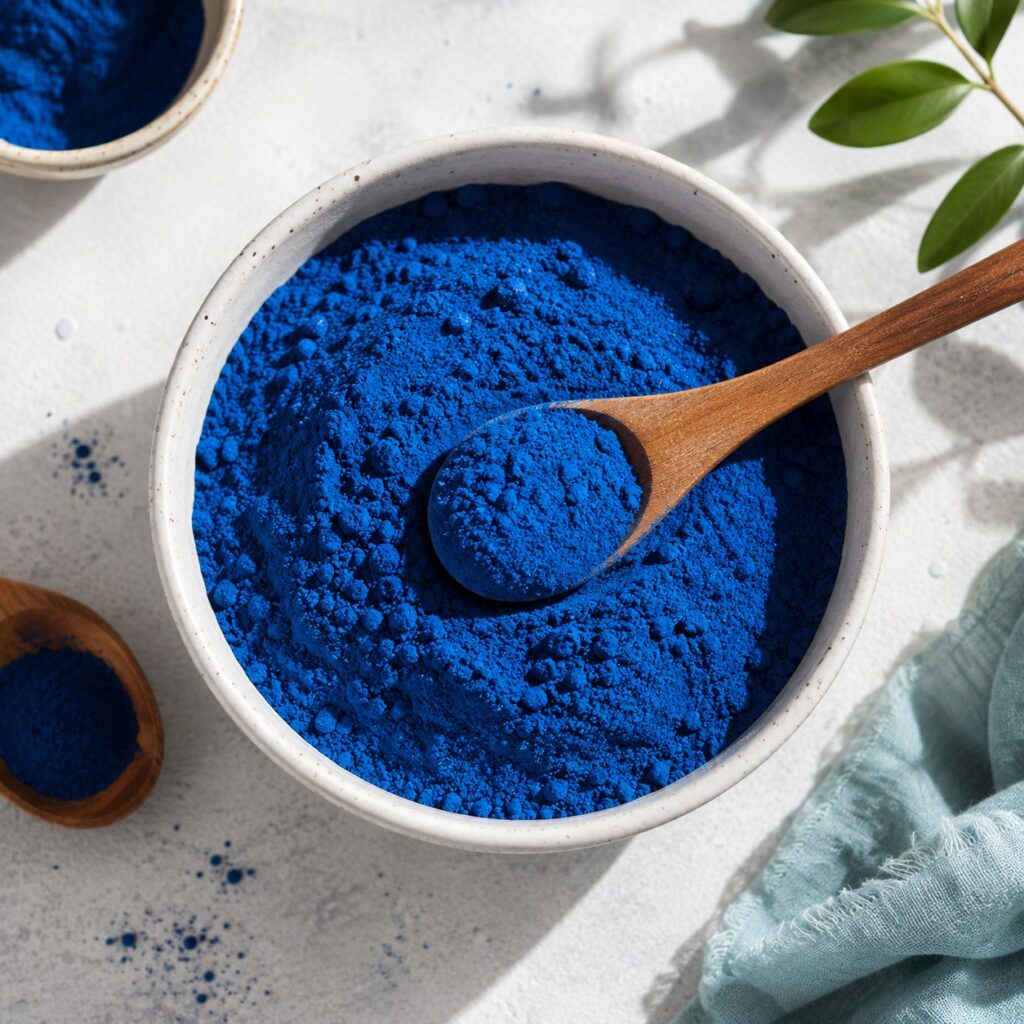
Blue spirulina powder is a concentrated, water-soluble extract of phycocyanin—the brilliant blue pigment found in Arthrospira platensis, a nutrient-dense cyanobacteria (blue-green algae) that has thrived in freshwater lakes for over 3.5 million years.
Unlike green spirulina (which contains the whole algae), blue spirulina undergoes a gentle filtration process to isolate phycocyanin, removing chlorophyll and other compounds. The result: a vivid blue powder with potent antioxidant properties and a remarkably mild, neutral taste.
Origin and Development:
Blue Spirulina is derived from blue-green algae that grow in freshwater lakes. Man-made reservoirs such as Hawaii’s Kona coastline are now being used to cultivate blue-green algae.
These algae reserves are carefully regulated, ensuring optimal growth conditions with fresh, vitamin-rich water and maximum sun exposure.
Molecular-level processes are involved in extracting the blue pigment phycocyanin from these algae. Manufacturers crush the algae, separate the pigments, and then verify, dry, and package the extracted phycocyanin.
Blue Spirulina Powder
Blue spirulina powder is derived from specific species of blue-green algae, particularly Arthrospira platensis. Its vivid blue color is attributed to the presence of the antioxidant pigment phycocyanin. This compound not only gives it a distinct hue but also contributes to potential health benefits, including anti-inflammatory properties, antioxidant support, and immune system enhancement.
Blue Spirulina Taste
Blue Spirulina powder has a mild and subtle flavor profile, reminiscent of a mild, slightly seaweed-like flavor. The overall effect is a delicate herbal essence with a subtle sweetness that is not as strong as the vibrant blue color might be. In culinary creations, when mixed with other ingredients, it can impart a mild earthy flavor. Some individuals feel a subtle interplay of sweetness and bitterness, while others may find it surprisingly neutral, bordering on tasteless. In short, the taste of blue spirulina is a delicate dance of flavors, providing a unique and versatile combination for a variety of dishes and beverages.
Phycocyanin: The Blue Power Pigment
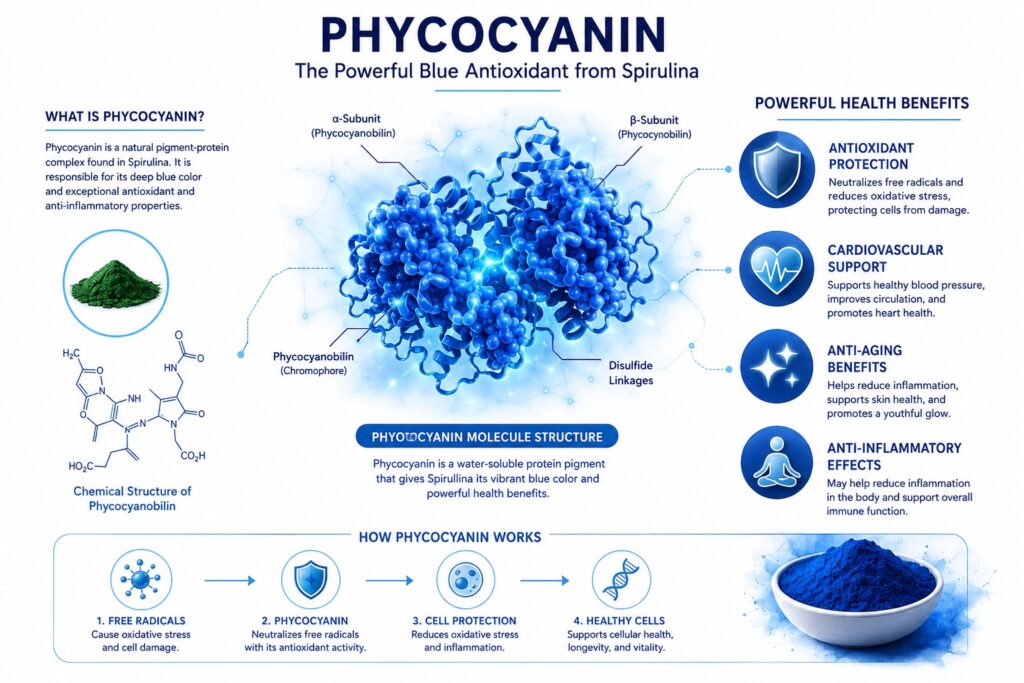
Why Phycocyanin Matters
Phycocyanin isn’t just what gives blue spirulina its stunning color—it’s a powerhouse antioxidant with unique health-supporting properties:
- Free Radical Fighter: Neutralizes oxidative stress linked to aging and chronic disease
- Anti-Inflammatory Action: Helps modulate inflammatory pathways in the body
- Immune Modulator: Supports balanced immune response without overstimulation.
- Cellular Protection: May help protect DNA and cell membranes from damage.
Nutritional Snapshot (Per 1 Tbsp / 7g Blue Spirulina Powder)
Nutritional Values
Within just one tablespoon (7 grams) of dried spirulina powder, find a treasure trove of nutrition:
| Nutrient | Amount | % Daily Value* |
|---|---|---|
| Protein | 4g | 8% |
| Vitamin B1 (Thiamin) | — | 14% |
| Vitamin B2 (Riboflavin) | — | 20% |
| Vitamin B3 (Niacin) | — | 6% |
| Copper | — | 47% |
| Iron | — | 11% |
| Calories | 20 | — |
| Carbohydrates | <2g | — |
| Fat | ~1g (omega-3 & omega-6) | — |
Note: Blue spirulina is prized for phycocyanin concentration, not broad-spectrum nutrition. For comprehensive nutrient intake, pair with a balanced diet or consider green spirulina. Compare green vs. blue spirulina →
Sources: NIH Office of Dietary Supplements; Journal of Medicinal Food (2020); FAO Spirulina Report
Blue Spirulina Benefits
Discover the incredible health benefits of blue spirulina, including its antioxidant properties, cardiovascular support, immune system boost, and more. Learn how this vibrant superfood can enhance your diet and overall well-being.
1. Blue Spirulina Benefits for Skin
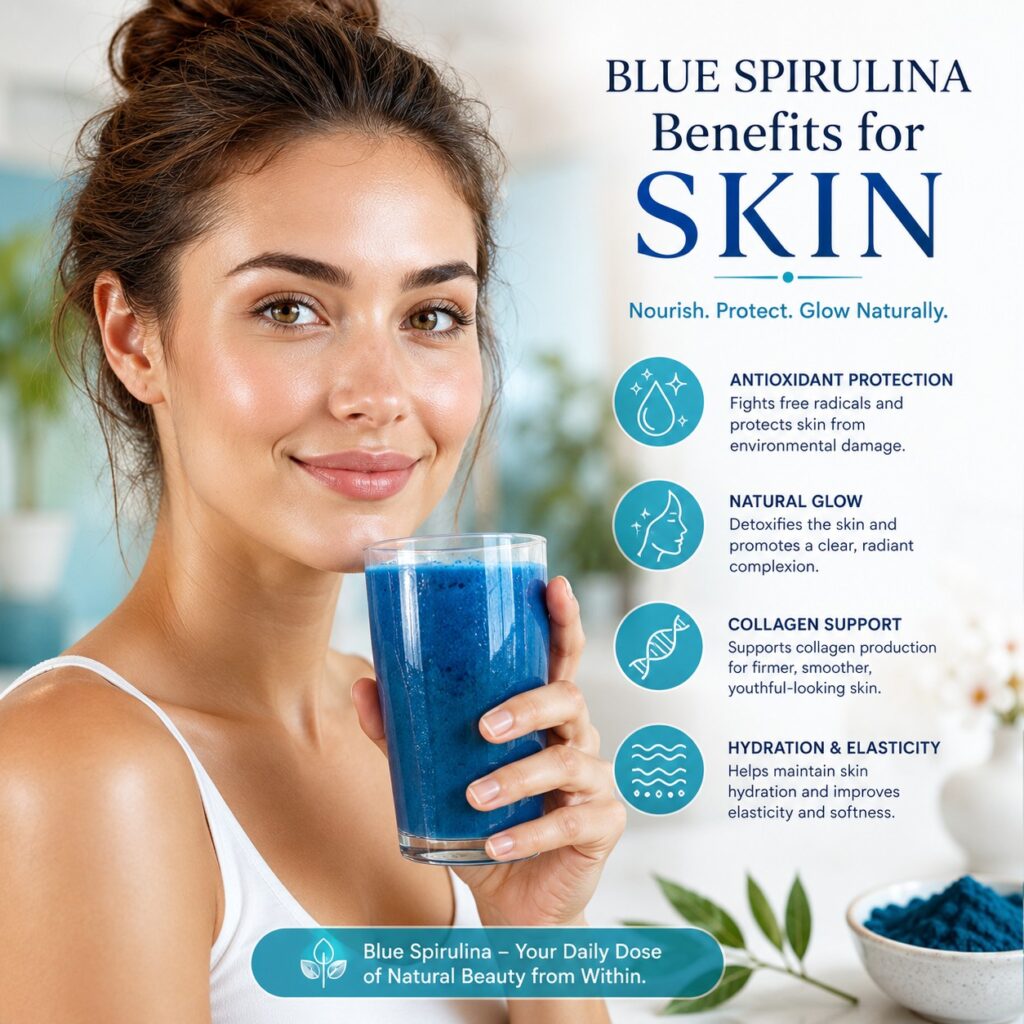
- Rich in Antioxidants: Blue spirulina is brimming with phycocyanin, a potent antioxidant that acts as a natural barrier against free radicals. Think of it as a protective shield that slows down aging signs like wrinkles and fine lines, helping your skin retain its youthful glow effortlessly.
- Anti-Inflammatory: If your skin struggles with redness or irritation, blue spirulina’s anti-inflammatory powers can be a game changer. It gently calms troubled skin, making it an effective ally for managing acne, eczema, or even occasional flare-ups.
- Collagen Production: Collagen is the secret ingredient to firm, youthful skin, and blue spirulina is like a booster for its production. Regular use can help restore your skin’s elasticity and smooth out fine lines, giving your complexion a healthy, revitalized look.
- Detoxification: Blue spirulina works from the inside out to remove toxins and impurities that dull your skin. The result? A clearer complexion, improved texture, and a naturally radiant glow that turns heads.
Fun Fact: NASA has researched spirulina since the 1980s for space missions! The same antioxidants that protect your skin also shield astronauts from cosmic radiation. Discover why spirulina is NASA’s space superfood →
2. Blue Spirulina Benefits for Women
- Iron Source: Blue spirulina provides a good amount of iron, which is particularly important for women, especially during menstruation, to prevent anemia and maintain energy levels.
- Energy Boost: The high nutrient content of blue spirulina can help improve energy levels and reduce fatigue, which is beneficial for busy lifestyles.
- Hormonal Balance: Blue spirulina contains nutrients that support hormonal balance, helping to alleviate symptoms of hormonal imbalances such as mood swings and fatigue.
- Nutrient Support: It provides essential nutrients like B vitamins, magnesium, and protein, which support overall health and well-being.
3. Blue Spirulina Benefits for Men
- Protein Content: Blue spirulina is a rich source of protein, supporting muscle growth and recovery, which is particularly beneficial for men engaged in physical activities and workouts.
- Antioxidant Properties: The antioxidants in blue spirulina help reduce oxidative stress and inflammation, promoting overall health and longevity.
- Immune Support: Regular consumption of blue spirulina can enhance the immune system, helping to fend off illnesses and infections.
- Energy Levels: The nutrient-rich profile of blue spirulina improves stamina and energy, supporting men in their daily activities and physical endeavors.
4. Blue Spirulina Benefits During Pregnancy
- Immune Support: Blue spirulina boosts the immune system, which is crucial during pregnancy to protect both the mother and the developing baby from infections.
- Nutrient-Rich: It provides essential nutrients like iron and B vitamins, which are vital during pregnancy for the health of both mother and baby.
- Detoxification: Blue spirulina aids in detoxifying the body naturally, ensuring a healthier internal environment during pregnancy.
- Energy and Vitality: The high nutrient content helps maintain energy levels and overall well-being, which is particularly important during the demanding phases of pregnancy.
5. Blue Spirulina Benefits for Hair
- Hair Growth: Blue spirulina promotes healthy hair growth by providing essential nutrients that strengthen hair follicles.
- Strengthens Hair: The vitamins and minerals in blue spirulina, such as biotin and B vitamins, help strengthen hair strands, reducing breakage and hair loss.
- Scalp Health: Blue spirulina improves scalp health by reducing dandruff and itchiness, leading to a healthier environment for hair growth.
- Shine and Vitality: Regular consumption of blue spirulina adds shine and vitality to hair, making it look more vibrant and fuller of life.
6. Blue Spirulina Benefits for Dogs
- Immune Boost: Blue spirulina strengthens the immune system in dogs, helping them fight off infections and diseases more effectively.
- Gastrointestinal Health: It supports a healthy gut microbiome, which can improve digestion and reduce gastrointestinal issues like diarrhea and constipation.
- Detoxification: Blue spirulina helps in detoxifying a dog’s body, removing harmful toxins that can accumulate over time.
- Allergy Relief: It can reduce symptoms of allergies in dogs, such as itching and skin irritations, due to its anti-inflammatory properties.
- Nutrient-Rich: Blue spirulina is packed with essential vitamins, minerals, and proteins that contribute to a dog’s overall health and vitality.
7. Antioxidant and Anti-Inflammatory Powers
Phycocyanin: The unique blue pigment phycocyanin in blue spirulina delivers powerful antioxidant and anti-inflammatory effects, combating oxidative stress and inflammation. This contributes to overall cellular health and can support the body’s natural defense mechanisms.
8. Cardiovascular Health
- Cholesterol Reduction: Blue spirulina helps reduce total cholesterol, LDL (bad) cholesterol, and triglycerides, which are important factors in maintaining heart health.
- HDL Increase: It increases HDL (good) cholesterol, which helps reduce the risk of heart disease by promoting healthy blood flow and reducing plaque buildup in arteries.
- Blood Pressure Regulation: Blue spirulina assists in regulating blood pressure, contributing to overall cardiovascular health and reducing the risk of hypertension-related issues.
7. Relief from Allergic Rhinitis
Blue spirulina helps alleviate symptoms of allergic rhinitis, such as sneezing, nasal congestion, and itching. Its anti-inflammatory properties can reduce the body’s response to allergens, improving respiratory health.
8. Anemia Treatment
Iron Source: Blue spirulina provides a rich source of iron, aiding in the treatment and prevention of anemia. It supports the production of hemoglobin and red blood cells, which is crucial for maintaining healthy oxygen levels in the body.
9. Glucose Management
Blood Sugar Regulation: Blue spirulina assists in managing blood sugar levels, which is beneficial for individuals with diabetes or those at risk of developing diabetes. It helps improve insulin sensitivity and reduces blood glucose levels.
Blue Spirulina dosage
General Wellness Guidelines
| Group | Suggested Daily Dose | Notes |
|---|---|---|
| Adults | 1–3 grams | Start with 1g; increase gradually based on tolerance |
| Teens (13–17) | 0.5–1.5 grams | Consult pediatrician first |
| Children (4–12) | 0.25–0.5 grams | Only under healthcare guidance |
| Athletes/Fitness | 2–4 grams | May support recovery; time around workouts |
| Older Adults | 1–2 grams | Monitor for interactions with medications |
Pro Tips for Success
- Start low: Begin with ¼–½ tsp to assess tolerance
- Consistency > quantity: Daily small doses often work better than occasional large ones
- Hydrate: Drink plenty of water to support nutrient absorption
- Quality matters: Choose third-party tested, organic blue spirulina
Disclaimer: As you set out on this nutritional journey with Spirulina, remember that this marine supplement is revered for its rich nutrient content and antioxidant capacity. However, before starting the journey, consult a health care professional to ensure your diet journey goes smoothly.
How to Use Blue Spirulina
Adding to Smoothies and Juices
- Smoothies: Add a teaspoon of blue spirulina powder to your favorite smoothie recipe. It pairs well with fruits like bananas, berries, and mangoes, and adds a beautiful blue color.
- Juices: Mix blue spirulina into freshly squeezed juices. It blends particularly well with citrus juices like orange or lemon, enhancing both the flavor and nutritional value.
Incorporating into Recipes
- Baking: Use blue spirulina in baked goods like muffins, cookies, and pancakes. Simply add a small amount to the batter to give your treats a vibrant blue hue.
- Breakfast Bowls: Sprinkle blue spirulina over oatmeal, yogurt, or acai bowls for a nutritional boost.
- Savory Dishes: Incorporate blue spirulina into sauces, dressings, and dips to add a unique color and extra nutrients.
Daily Routine Suggestions
- Morning Boost: Start your day with a blue spirulina smoothie or juice to kickstart your metabolism and provide sustained energy.
- Midday Snack: Incorporate blue spirulina into your midday snacks like energy bites or smoothie bowls to keep you energized and focused.
- Post-Workout: Add blue spirulina to your post-workout recovery drink to support muscle recovery and replenish nutrients.
Benefits for Specific Diets
- Vegan: Blue spirulina is plant-based and an excellent source of protein, making it a great addition to vegan diets. It provides essential amino acids and nutrients without any animal products.
- Keto: For those following a ketogenic diet, blue spirulina is low in carbohydrates and can be easily added to keto-friendly recipes like smoothies, baked goods, and energy bites to enhance nutritional value.
Summary
By incorporating blue spirulina powder into various aspects of your diet, you can enjoy its numerous health benefits while adding a vibrant touch to your meals.
Blue Spirulina vs Green
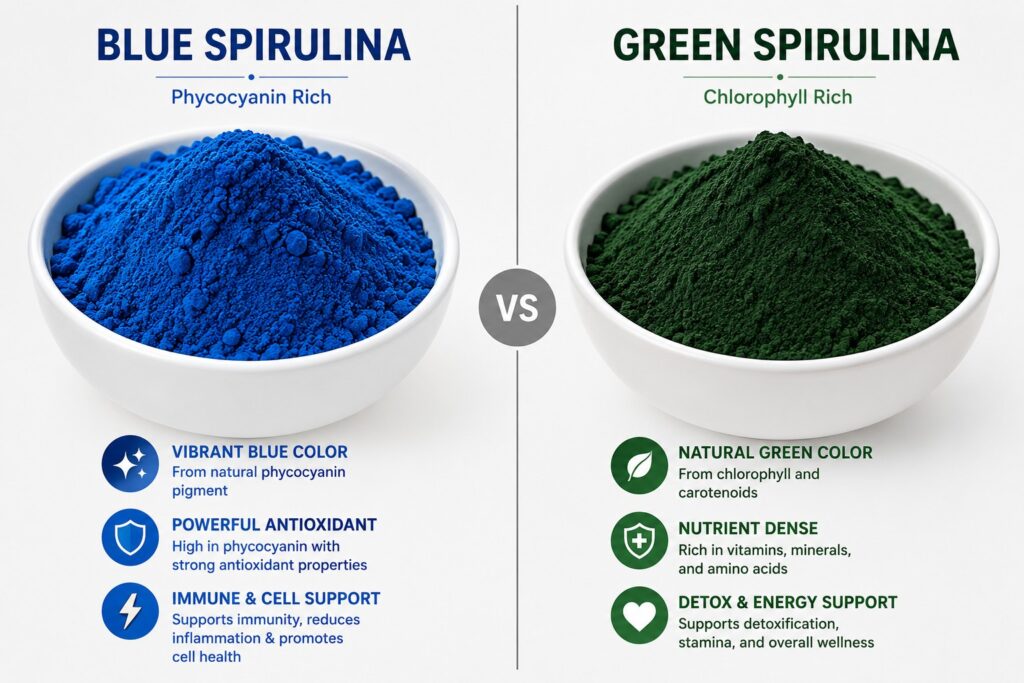
Both blue and green spirulina come from blue-green algae, but they have notable differences.
| Feature | Blue Spirulina | Green Spirulina |
|---|---|---|
| What It Is | Phycocyanin extract (blue pigment only) | Whole dried algae (all nutrients) |
| Color | Vibrant electric blue | Deep forest green |
| Taste | Nearly neutral, very mild earthiness | Strong, earthy, seaweed-like |
| Best For | Color-focused recipes, taste-sensitive users | Budget-friendly daily nutrition, savory dishes |
| Key Compound | Phycocyanin (antioxidant) | Chlorophyll + phycocyanin + full nutrient profile |
| Price | Higher ($30–50/oz) | Lower ($15–25/lb) |
Blue Spirulina: Concentrated extract of phycocyanin, giving it a striking blue color. It is the only natural blue pigment certified as a food additive.
Green Spirulina: The whole species of algae, manufactured into edible goods. It has a stronger fishy taste and is mostly green.
Note: Blue spirulina is often added to cooking or confections (such as cake toppings or jellies) as a healthy alternative to artificial coloring.
Blue Spirulina Substitute
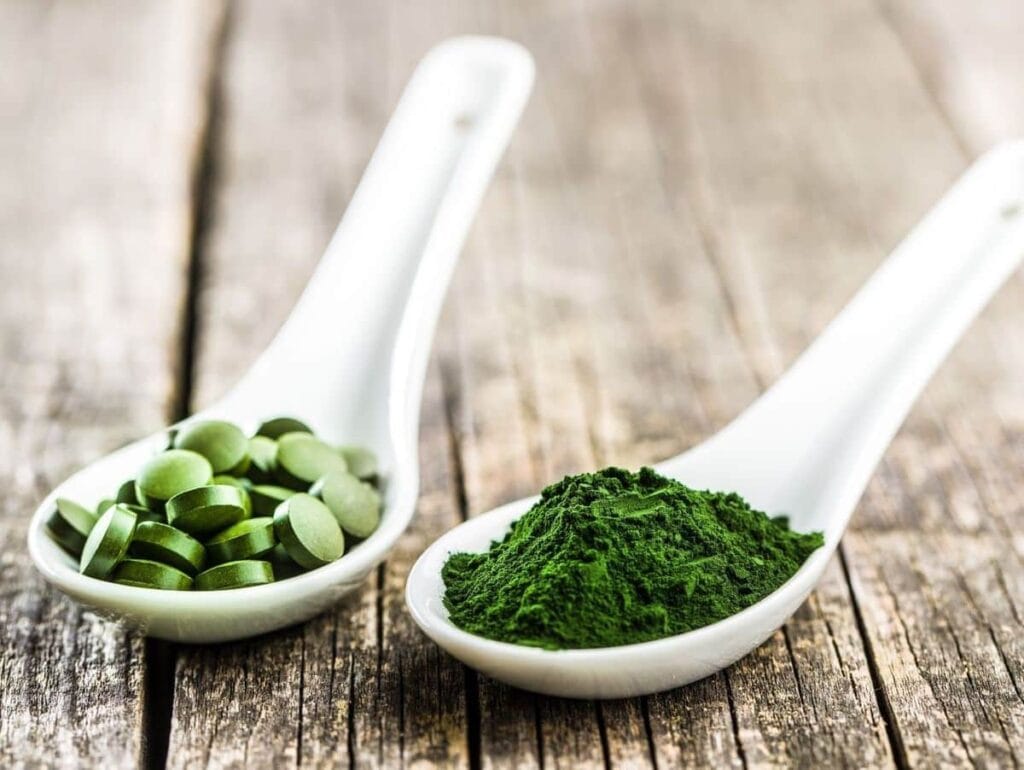
Chlorella: A green algae similar to spirulina, chlorella is packed with nutrients, including chlorophyll, protein, and various vitamins and minerals. It is known for its detoxifying properties, particularly in binding to heavy metals and aiding in their removal from the body.
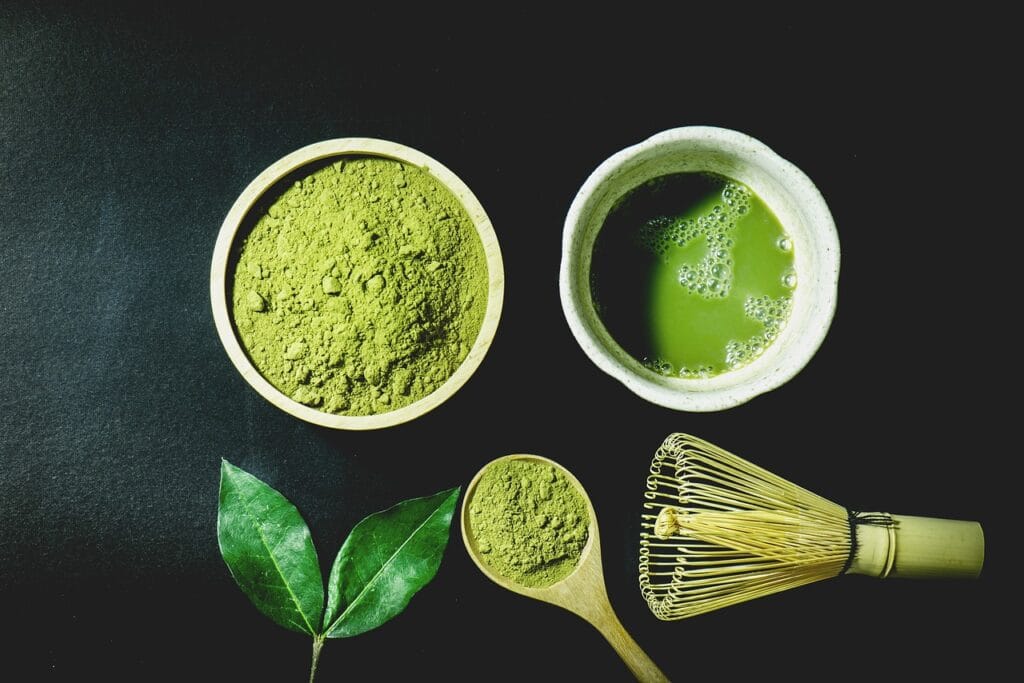
Matcha: A type of powdered green tea, matcha, matcha is rich in antioxidants, particularly catechins, which support heart health and have anti-cancer properties. It also provides a calm energy boost due to its combination of caffeine and L-theanine.
Sustainability & Cultural Impact
Why Blue Spirulina Is an Eco-Conscious Choice
- Low Resource Use: Requires minimal land, freshwater, and no pesticides vs. conventional crops
- Carbon-Negative Potential: Algae cultivation can absorb CO₂ during growth
- Scalable Production: Can be grown in controlled environments year-round
Choosing blue spirulina isn’t just about adding a superfood to your routine—it’s aligning with a values-driven approach to nourishment. From Earth to orbit, spirulina’s sustainability makes it ideal for space farming on future Mars missions.
A Movement, Not Just a Trend
Blue spirulina has become a symbol of the global shift toward:
- Plant-forward, nutrient-dense eating
- Clean-label, naturally colored foods
- Wellness that honors both personal and planetary health
Choosing blue spirulina isn’t just about adding a superfood to your routine—it’s aligning with a values-driven approach to nourishment.
Discover the antioxidant-rich benefits of black grapes to enhance your superfood journey alongside blue spirulina powder.
Conclusion
In conclusion, the rise of Blue Spirulina powder is more than just a culinary trend; It is an overall movement towards a healthier, more sustainable lifestyle. From its origins in ancient civilizations to its resurgence in contemporary kitchens, Blue Spirulina’s journey is a testament to the enduring pursuit of wellness. Blue Spirulina powder permeates the fields of health, nutrition and gastronomy, it symbolizes a dynamic shift towards conscious living in the ever-evolving landscape of wellness. So, whether you’re a seasoned health buff or a curious newcomer, consider adding vibrant blue spirulina to your plate for a colorful and nutritious journey.
FAQ’s
Is Blue Spirulina Better Than Green Spirulina?
Blue spirulina powder is high in phycocyanin, a powerful antioxidant with anti-inflammatory benefits. Green spirulina has more chlorophyll, which helps with detoxing. Your decision ultimately hinges on your unique health objectives and personal tastes.
Is Blue Spirulina Natural?
Yes, blue spirulina powder is derived from blue-green algae. which is completely natural, it’s processed into a powder while keeping its natural goodness intact. Free from artificial additives, this superfood offers a pure and vibrant touch of nature.
What is Blue Spirulina Good For?
These blue-green algae, known for its numerous health benefits, including:
Antioxidant Properties: Protecting cells from oxidative stress.
Anti-Inflammatory Effects: Reducing inflammation in the body.
Cholesterol Management: Lowering bad cholesterol and increasing good cholesterol.
Immune Support: Boosting the immune system.
Muscle Strength: Supporting muscle growth and recovery.
Blood Sugar Regulation: Helping manage blood sugar levels.
Does blue spirulina have side effects?
Blue spirulina is generally well-tolerated. Rare side effects may include mild digestive discomfort if starting with a high dose. Choose reputable brands that test for contaminants (heavy metals, microcystins) to ensure safety. Discontinue use and consult a doctor if you experience adverse reactions.
References: