When you sprinkle oregano on pizza or stir it into tomato sauce, you’re using more than a kitchen staple—you’re harnessing Origanum vulgare, the botanical powerhouse behind one of the world’s most revered culinary and medicinal herbs.
This perennial member of the mint family (Lamiaceae) isn’t just flavorful; it’s packed with scientifically validated compounds like carvacrol and thymol that support immunity, fight inflammation, and promote whole-body wellness
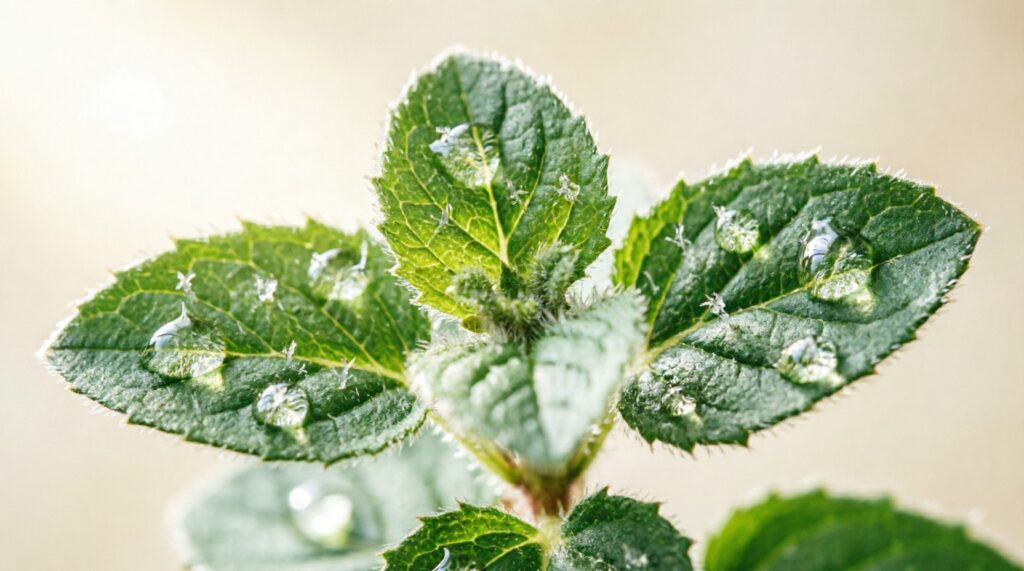
In this guide, we blend centuries of traditional herbal wisdom with cutting-edge research to reveal what makes Origanum vulgare truly exceptional—and how you can use it wisely.
What Is Origanum vulgare? Botanical Basics
Scientific Classification
| Rank | Name |
|---|---|
| Kingdom | Plantae |
| Family | Lamiaceae (Mint family) |
| Genus | Origanum |
| Species | O. vulgare |
| Common Names | Common oregano, wild marjoram, winter sweet |
Origanum vulgare is a hardy, rhizomatous perennial native to temperate Europe, North Africa, and Western Asia, thriving in sunny, well-drained soils.
It grows 20–80 cm tall with opposite, ovate leaves and clusters of small white-to-purplish flowers in summer.
Key Subspecies: Know the Difference
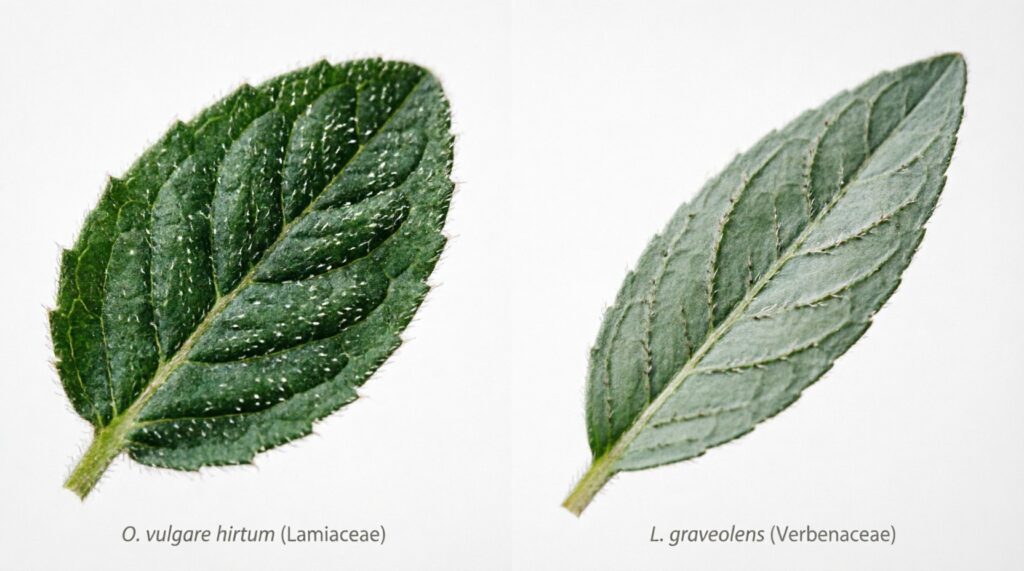
Not all “oregano” is equal. Two subspecies dominate:
| Subspecies | Common Name | Key Traits | Best For |
|---|---|---|---|
| O. vulgare* subsp. *vulgare | Common oregano | Milder flavor, higher ornamental value | Garden borders, decorative use |
| O. vulgare* subsp. *hirtum | Greek oregano (Rigani) | Intense aroma, 2–3× higher carvacrol | Culinary spice, medicinal extracts |
Pro Tip: For maximum therapeutic benefit, seek Origanum vulgare subsp. hirtum—the “gold standard” for essential oil potency and culinary depth
Bioactive Powerhouses: What Makes Origanum Vulgare Work?
The magic lies in its phytochemistry. Research confirms Origanum vulgare contains:
- Carvacrol (60–80% of essential oil): Potent antimicrobial, anti-inflammatory, and antioxidant agent
- Thymol: Synergizes with carvacrol to disrupt bacterial cell membranes
- Rosmarinic acid: Supports cognitive health and reduces oxidative stress
- Flavonoids (apigenin, luteolin): Modulate immune response and protect cardiovascular tissue
Fun Fact: The antioxidant capacity of O. vulgare essential oil can exceed that of synthetic preservatives like BHT—making it a natural choice for food preservation and cellular protection
Evidence-Based Health Benefits (Peer-Reviewed)
1️⃣ Antimicrobial & Immune Support
Origanum vulgare essential oil (OEO) demonstrates broad-spectrum activity against bacteria (including MRSA), fungi, and viruses in laboratory studies. Carvacrol and thymol disrupt microbial cell membranes, offering a natural defense strategy
2️⃣ Anti-Inflammatory & Cardiovascular Protection
Chronic inflammation underlies heart disease, diabetes, and arthritis. Compounds in O. vulgare inhibit pro-inflammatory pathways (NF-κB, COX-2), supporting vascular health and metabolic balance.
3️⃣ Antioxidant Defense & Cellular Resilience
Free radicals accelerate aging and disease. The phenolic profile of O. vulgare scavenges ROS (reactive oxygen species), protecting DNA, lipids, and proteins from oxidative damage.
4️⃣ Emerging Research: Gut, Skin & Beyond
- Gut health: Oregano tea may support microbial balance and ease digestive discomfort.
- Skin wellness: Topical OEO formulations show promise for wound healing and acne management.
- Neuroprotection: Early studies suggest rosmarinic acid may support cognitive function.
Note: Most robust evidence comes from in vitro and animal studies. Human clinical trials are growing but still limited—always consult a healthcare provider before using therapeutic doses.
Culinary use is generally recognized as safe (GRAS) by the FDA
| Form | Best Use | Dosage Guidance |
|---|---|---|
| Fresh/Dried Leaves | Cooking, teas | 1–2 tsp dried herb per cup; culinary amounts are safe |
| Standardized Extract | Immune support | Follow label; typically 200–500 mg 1–2× daily |
| Essential Oil | Aromatherapy, topical* | *Always dilute (1–2% in carrier oil); never ingest undiluted |
| Tea Infusion | Digestive comfort | Steep 1 tsp dried herb in hot water 10 min; 1–2 cups/day |
Origanum vulgare subsp. hirtum (Greek oregano) is a more potent subspecies with higher essential oil content, often preferred for culinary and medicinal use
🚫Safety Considerations
- Avoid therapeutic doses during pregnancy (may stimulate uterine activity)
- Discontinue 2 weeks before surgery (potential anticoagulant effect)
- May interact with diabetes meds, blood thinners, or lithium—consult your doctor
Origanum Vulgare plant: Tips for Cultivating O. vulgare
- Sun: Full sun (6+ hours daily)
- Soil: Well-drained, sandy or loamy; pH 6.0–8.0
- Water: Drought-tolerant once established; avoid overwatering
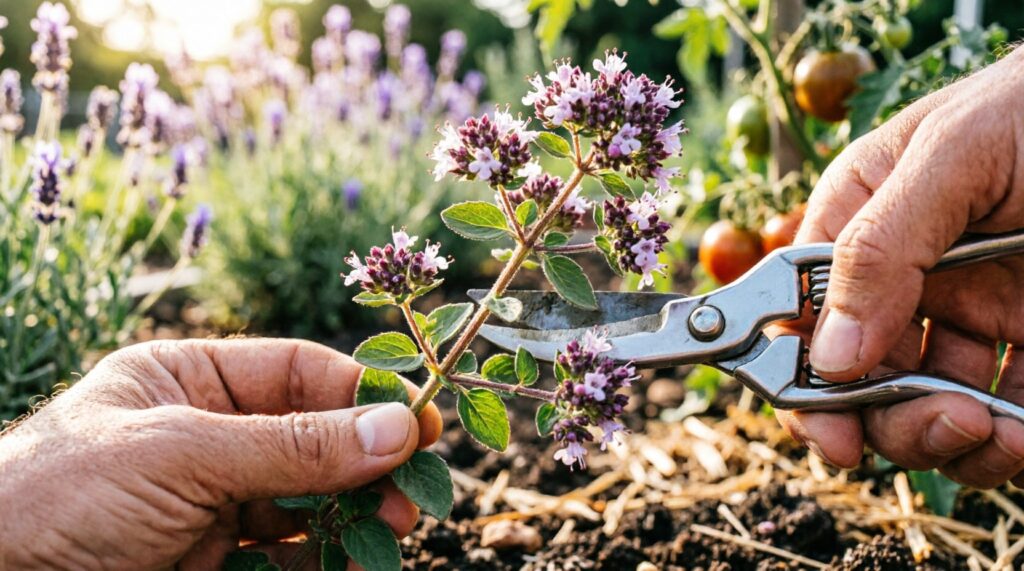
- Harvest: Cut stems just before flowering for peak oil content.
- Propagation: Stem cuttings preserve chemotype; seeds may vary in potency
Sustainability Note: Wild harvesting threatens native populations. Choose organically cultivated O. vulgare to support ethical sourcing and biodiversity.
FAQ‘s
What is the difference between oregano and Origanum vulgare?
Oregano is a culinary term that can refer to several aromatic plants. Origanum vulgare is the true botanical species—specifically, its subspecies hirtum (Greek oregano) delivers the classic pungent flavor and highest concentration of beneficial compounds.
Is Origanum vulgare the same as Mexican oregano?
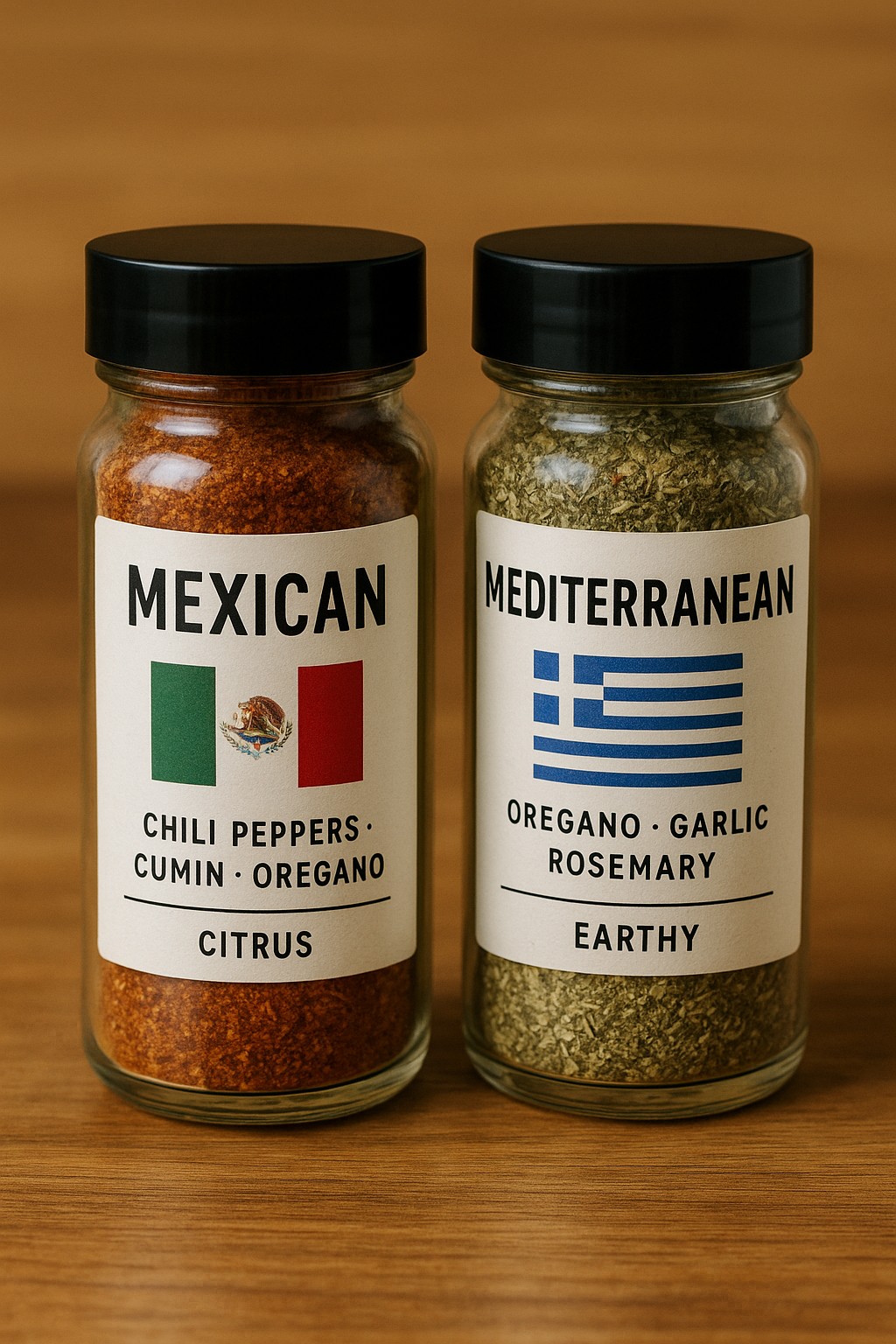
No. Mexican oregano (Lippia graveolens) belongs to the verbena family and has a citrusy profile. Origanum vulgare is Mediterranean, mint-family, and richer in carvacrol—making it preferable for antimicrobial applications.
Can I use oregano essential oil internally?
Only under professional guidance. Undiluted essential oil is highly concentrated and can irritate mucous membranes. For internal use, choose standardized, food-grade supplements with clear dosing instructions.
How do I verify quality when buying Origanum vulgare products?
Look for: (1) Botanical name on label Origanum vulgare hirtum), (2) Third-party testing (GC/MS reports), (3) Organic certification, and (4) Dark glass packaging to protect volatile oils.
Conclusion
Origanum vulgare is more than a pizza topping—it’s a testament to nature’s pharmacy. By understanding its botanical identity, active compounds, and evidence-based applications, you empower yourself to use this remarkable herb with confidence and intention. Whether you’re seasoning a family meal, brewing a soothing tea, or exploring herbal wellness, let science guide your respect—and let tradition inspire your joy.
Reference:
- Origanum vulgare – Plant Finder
- Oregano, Oregano Oil and Oregano Tea: What Are the Benefits?
- Medicinal plants Origanum vulgare- ScienceDirect
- Oregano, Oregano Oil and Oregano Tea: What Are the Benefits?
- Thymol and Carvacrol: Molecular Mechanisms, Therapeutic Potential, and Synergy With Conventional Therapies in Cancer Management – PMC