Last Updated on 21 August 2026 by Ahsan Khan
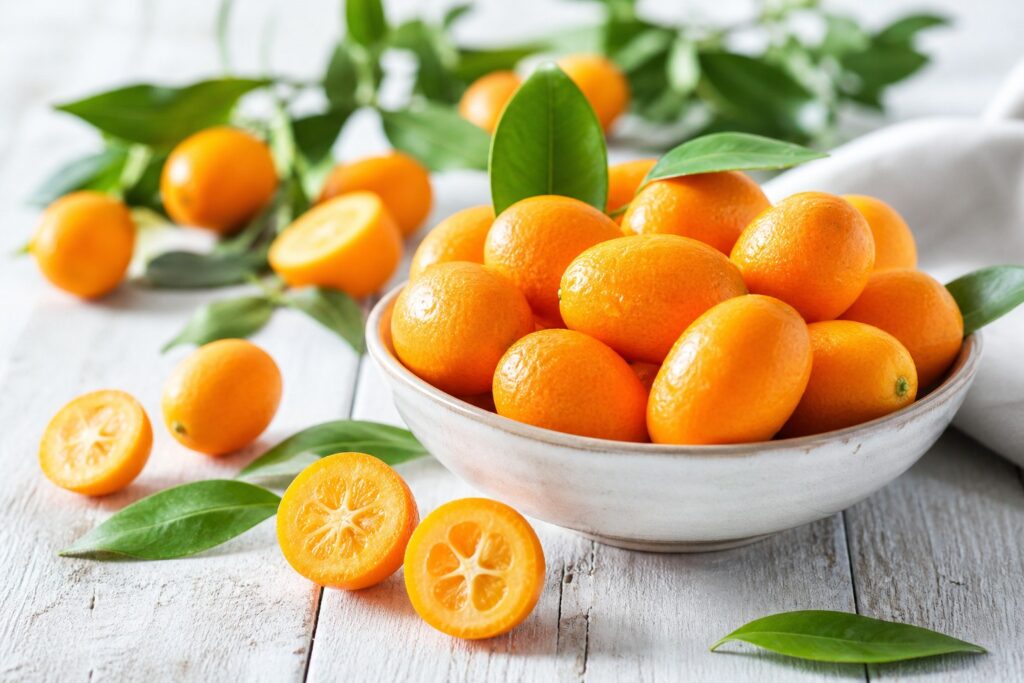
When it comes to superfoods, we often look to exotic berries or leafy greens. But have you noticed the small, orange jewels popping up in grocery stores during the winter months? Meet the kumquat.
Despite its tiny size, the kumquat packs a powerful nutritional punch. Rich in Vitamin C, fiber, and antioxidants, this unique citrus fruit is becoming a staple for health enthusiasts looking to boost immunity and improve digestion naturally.
At iHealth Trends, we believe in eating wellness. In this ultimate guide, we’ll cover everything you need to know about the kumquat—from its surprising health benefits to exactly how to eat it for maximum nutrient absorption.
What is a Kumquat?
Before we dive into the health trends, let’s answer the basic question: What is a kumquat?
Botanically known as Fortunella, the kumquat is a small, oval-shaped citrus fruit. Unlike oranges or lemons, the kumquat is unique because its skin is sweet, while its flesh is sour. This means the entire fruit is edible, making it a convenient, no-waste snack.
While kumquats trace their roots to ancient South Asian orchards, today these golden fruits flourish in diverse climates—from sun-drenched Mediterranean groves to the subtropical gardens of Florida and California. they belong to the Rutaceae family, making them cousins to the orange, lemon, and lime, but with a distinct nutritional profile that sets them apart.
Quick Fact: The name “kumquat” comes from the Cantonese words gam (gold) and gwat (mandarin orange), literally translating to “Golden Orange.”
Kumquat Nutrition Facts
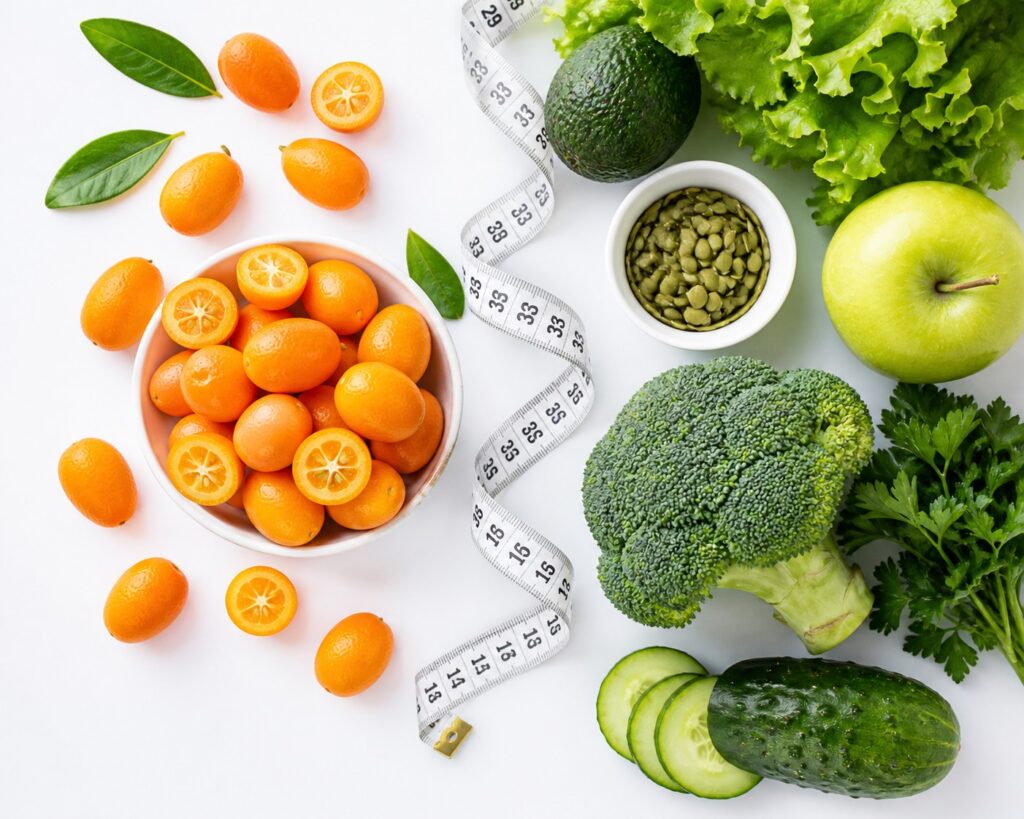
Why are health trends shifting toward this tiny fruit? It all comes down to the macros and micros. Eating just a few kumquats can provide a significant portion of your daily recommended vitamins.
Here is the approximate nutritional breakdown for 100 grams of raw kumquats (about 5-6 fruits):
| Nutrient | Amount | % Daily Value* |
|---|---|---|
| Calories | 71 kcal | – |
| Vitamin C | 43 mg | 71% |
| Dietary Fiber | 6.5 g | 26% |
| Vitamin A | 290 IU | 6% |
| Potassium | 186 mg | 5% |
| Calcium | 62 mg | 6% |
| Protein | 1.9 g | – |
| Carbohydrates | 16 g | – |
| Sugars | 9 g | – |
| Fat | 0.9 g | – |
*Percent Daily Values are based on a 2,000 calorie diet. Source: USDA FoodData Central (FDC ID: 2709167)
Why This Matters for Your Health
- High Fiber: With 6.5g of fiber per serving, kumquats are excellent for gut health and keeping you full longer.
- Vitamin C Powerhouse: Essential for immune function and collagen production.
- Low Calorie: A perfect sweet treat for those watching their weight.
Kumquats Benefits
Incorporating kumquats into your diet isn’t just about taste; it’s about functional nutrition. Here are the top science-backed benefits:
- Boosts Immune System
Thanks to the high concentration of Vitamin C and flavonoids, kumquats help strengthen the immune system. Regular consumption may help reduce the duration of common colds. - Supports Digestive Health
The majority of the fiber in a kumquat is found in the skin. Eating the whole fruit promotes regularity and feeds healthy gut bacteria. With 6.5g of fiber per serving, kumquats are excellent for gut health—similar to the dragon fruit benefits for digestive regularity - Rich in Antioxidants
Kumquats contain plant compounds like flavonoids and phytochemicals. These antioxidants combat oxidative stress in the body, potentially reducing the risk of chronic diseases. - Heart Health
By delivering a synergistic blend of dietary fiber, heart-supportive potassium, and protective plant antioxidants, kumquats help nurture healthy circulation and support balanced cholesterol levels naturally.
How to Eat Kumquat
One of the most common questions we get is: Do you peel a kumquat?
The short answer is no. Unlike other citrus fruits, the skin of the kumquat is thin, sweet, and nutrient-dense. Peeling it would remove most of the fiber and essential oils.
Step-by-Step Guide:
Wash Thoroughly: Since you eat the skin, rinse them under cold water to remove any wax or pesticides.
- Roll It: Gently roll the fruit between your fingers to soften the juices inside.
- Pop it Whole: You can eat the whole fruit skin and all.
- Watch the Seeds: The seeds are edible but bitter. Most people prefer to spit them out or slice the fruit to remove them.
What Does a Kumquat Taste Like?
If you’ve never tried one, the flavor profile can be surprising.
- The Skin: Sweet and slightly zesty, similar to a sweet orange peel.
- The Pulp: Tart and sour, similar to a lemon or underripe orange.
When eaten together, the combination creates a balanced sweet-and-sour explosion. This makes them perfect for balancing rich foods or adding a zing to salads.
Kumquat Season: When to Buy and Store
To get the best flavor and nutritional value, you need to buy them in season.
- Season: Kumquats are typically in season from November to March.
- Selection: Look for firm, bright orange fruits. Avoid any with green spots or soft patches.
- Storage: They can be kept at room temperature for a few days or stored in the refrigerator crisper drawer for up to two weeks.
Popular Kumquat Varieties
Not all kumquats are created equal. The two most common varieties you’ll find are:
Nagami Kumquat: Oval-shaped and more tart. Great for cooking and marmalades.
Meiwa Kumquat: Rounder and sweeter with fewer seeds. Best for eating raw.
Easy Ways to Add Kumquats to Your Diet
Ready to start eating them? Here are a few trending ways to enjoy kumquats:

- Raw Snack: Wash and eat 3-4 as a mid-day energy booster.
- Salad Topper: Slice thinly and add to spinach or arugula salads.
- Kumquat Tea: Steep sliced kumquats in hot water with honey for a soothing immunity drink.
Conclusion
The kumquat is more than just a decorative fruit; it’s a nutrient-dense superfood that deserves a spot in your wellness routine. Whether you’re looking to boost your Vitamin C intake, improve digestion, or simply try a new healthy snack, this tiny fruit delivers big results. If you’re looking for another exotic, creamy tropical fruit rich in Vitamin C, check out our ultimate guide to Sugar Apple (Annona Squamosa).
Stay tuned to iHealth Trends for more deep dives into seasonal superfoods. Next, we’ll be exploring specific kumquat recipes to help you cook with this golden fruit!
FAQ’s
Are kumquat seeds poisonous?
No, kumquat seeds are not poisonous. However, they are bitter and may be hardto digest, so most people choose to remove them.
Can you eat kumquat skin?
Yes! The skin is the sweetest part of the fruit and contains most of the fiber and essential oils. It is highly recommended to eat the skin.
Is kumquat good for weight loss?
Yes. Kumquats are low in calories and high in fiber, which helps promote satiety and reduce overall calorie intake.
Who should avoid kumquats?
People with citrus allergies or those prone to acid reflux should consume kumquats in moderation due to their acidity.
Reference: